
When it comes to vehicle maintenance, choosing the right brake pads is crucial for safety and performance. Among the popular options, ceramic brake pads have gained significant attention. But how good are they? Let’s explore everything you need to know about ceramic pads.
What Are Ceramic Brake Pads?
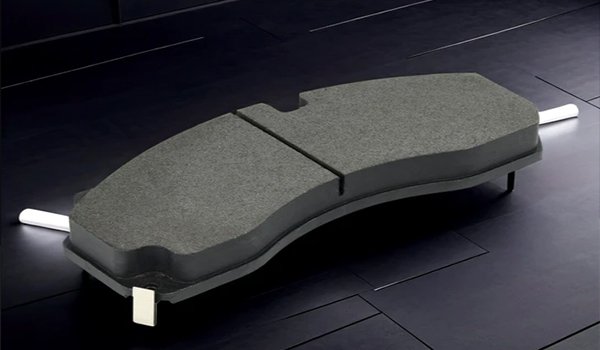
Ceramic brake pads are made from a dense ceramic material, often mixed with copper fibers for improved heat conductivity. This composition gives them a smooth braking performance, minimal noise, and low dust production. The ceramic brake pads material is engineered to withstand high temperatures while maintaining consistent friction, making them a popular choice for everyday driving and light-duty vehicles.
Compared to other brake pad types, ceramic pads are gentle on rotors, ensuring less wear over time. They also perform reliably under various driving conditions, including city driving and highway cruising.
How Much Are Ceramic Brake Pads?
The price of ceramic brake pads varies depending on your vehicle make and model. On average, the ceramic brake pads cost ranges from $80 to $150 for a full set, sometimes higher for premium or performance vehicles. While the upfront cost is higher than semi-metallic pads, the benefits—quieter braking, reduced dust, and longer lifespan—often justify the investment
It’s important to consider both the purchase price and the long-term maintenance savings when comparing brake pad options.
Should I Get Ceramic or Semi Metallic Brake Pads?
Choosing between ceramic brake pads and semi-metallic pads is more than just a preference—it depends on your driving style, vehicle type, and maintenance priorities. Let’s break it down:
Ceramic Brake Pads
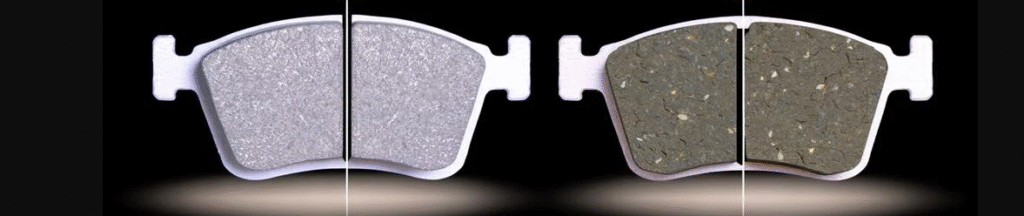
Ceramic pads are made from a durable ceramic material mixed with copper fibers, designed to offer smooth and quiet braking. They are perfect for:
- Daily commuting and city driving:Ceramic pads handle frequent stop-and-go traffic with minimal noise and vibration.
- Low dust and cleaner wheels:These pads produce very little brake dust, helping keep your wheels cleaner and reducing maintenance.
- Long-lasting performance:They wear slowly and are gentle on brake rotors, which can reduce long-term maintenance costs.
However, ceramic pads may not perform as well under extreme high-heat conditions, such as towing heavy loads or aggressive performance driving. In these cases, braking power can decrease slightly compared to semi-metallic pads.
Semi-Metallic Brake Pads
Semi-metallic pads are made with a higher percentage of metal fibers, often 30–65%, combined with friction materials. They are known for:
- High heat tolerance: Excellent stopping power under heavy braking, making them ideal for trucks, SUVs, and performance vehicles.
- Durability under stress: Semi-metallic pads handle tough conditions such as hilly terrain, towing, or long downhill drives.
However, semi-metallic pads can be noisier and produce more brake dust. They also tend to wear down rotors faster than ceramic pads, which may increase maintenance costs over time.
Key Considerations
When deciding, ask yourself:
- Do I prioritize quiet and low-maintenance braking? → Ceramic is better.
- Do I need maximum stopping power under high heat or heavy loads? → Semi-metallic is better.
- Am I willing to pay a slightly higher upfront cost for longer rotor life and cleaner wheels? → Ceramic pads may save money in the long run.
Where Can I Buy Ceramic Brake Pads?
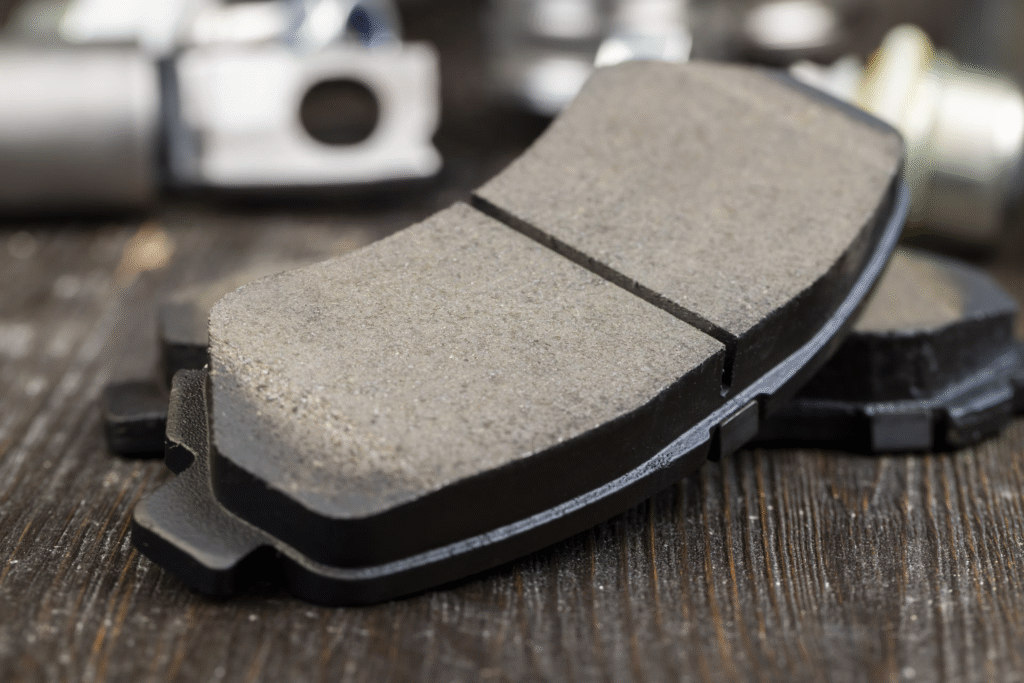
Upgrading to ceramic brake pads is easier than ever, with multiple purchasing options available:
- Local Auto Parts Stores and Dealerships
Trusted brands often offer OEM-quality ceramic pads.
Staff can advise you on compatibility with your specific vehicle model. - Online Marketplaces
- Websites like Amazon, eBay, or AutoZone have a wide range of ceramic brake pads.
- Check user reviews and ratings to ensure product quality and reliability.
- Specialized Automotive Retailers
- Stores specializing in brakes or performance parts often carry high-end ceramic pads for premium or performance vehicles.
- They may provide installation guides or kits tailored for your vehicle.
Tips for Buying Ceramic Brake Pads
- Check vehicle compatibility: Not all pads fit every make and model. Always verify dimensions, thickness, and specifications.
- Choose reputable brands: Quality pads ensure safety and long-term performance. Cheap pads may wear quickly or damage rotors.
- Consider professional installation: While some DIY enthusiasts install brake pads themselves, proper installation ensures safety and optimal braking performance.
- Look for warranties: Many ceramic pads come with a warranty that covers defects or premature wear—an extra assurance of quality.
By following these guidelines, you can confidently buy ceramic brake pads that deliver quiet, efficient, and long-lasting braking.
Conclusion
Ceramic brake pads offer quiet, clean, and long-lasting braking performance. While the ceramic brake pads cost may be higher upfront, the benefits often outweigh the price. Whether you’re replacing worn pads or upgrading for a better driving experience, investing in quality ceramic pads can improve both safety and comfort on the road.