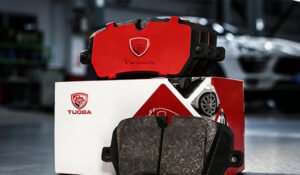
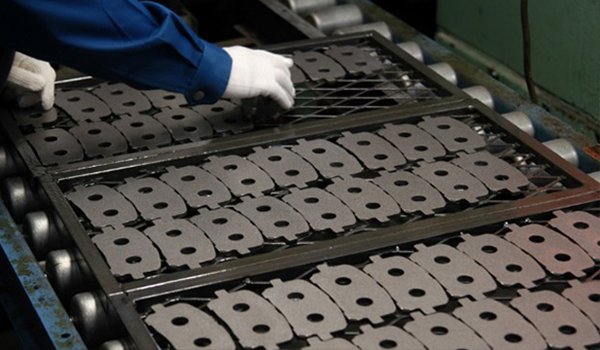
The friction material of brake pads wears down during use. If the wear exceeds the specified limit, it can cause severe wear, reduce braking performance, and damage the rotor and drum brake components.
Regular vehicle inspections can help detect problems. However, if you notice any changes—such as reduced braking effectiveness—we recommend checking the condition of the brakes and replacing them in advance if necessary.
Brake Pad Replacement Guide
Brake pad wear varies greatly depending on the driver’s braking habits and driving conditions. After driving approximately 20,000 kilometers, it is recommended to have your brake pads inspected at a service shop.
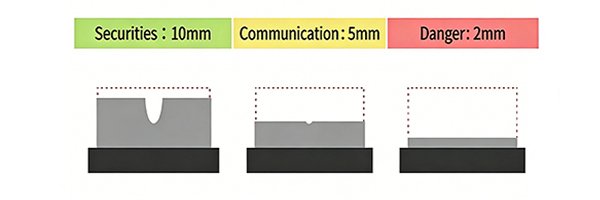
When the remaining thickness of the brake pad reaches 5 mm or less, the temperature of the friction material tends to rise, and the wear rate becomes faster than when the pads are new—even under the same driving distance. Therefore, replace the brake pads when the thickness reaches 5 mm.
If the thickness is less than 2 mm, it becomes extremely dangerous. Early replacement is very important.
Brake Pad Lifespan
If Brake Pad Replacement Is Delayed
The rotor and brake caliper may also need replacement, resulting in additional costs. More importantly, it is extremely dangerous.
When the friction material is completely worn away, the metal backing plate comes into direct contact with the rotor, causing severe rotor damage.
Severely worn brake pads may come loose from the bracket and rub against the rotor, damaging the caliper bracket.