Consider what a typical long-haul truck faces in a single week. Thousands of highway miles, hundreds of brake applications, and temperature swings that push friction materials to their limits. Without consistent heavy truck brake testing, worn pads and degraded components go unnoticed until something fails at the worst possible moment.
At Tuoba, we understand that brake system upkeep is both a safety imperative and a financial priority. A strong fleet safety inspection program catches problems early, reduces repair costs, and keeps your trucks moving. In this guide, we walk you through the testing procedures, warning signs, and maintenance strategies that protect your fleet from the ground up.
Why Brake Pad Testing Matters in Heavy Commercial Vehicles
Think of commercial vehicle brakes like combat boots — built to handle extreme loads and relentless punishment day after day. Personal vehicle brakes are casual sneakers by comparison. Heavy trucks can weigh up to 80,000 pounds, and every stop puts enormous stress on brake components. Regular brake pad inspection is one of the key ways to ensure these systems perform when it counts.
The Unique Demands on Commercial Vehicle Braking Systems
Commercial braking systems face conditions that would destroy standard passenger-car components in days. Steep grades, frequent stops in urban delivery routes, and heavy payloads generate extreme heat and friction. These factors accelerate wear on pads, drums, and rotors at a pace that demands strict monitoring. Meeting commercial brake inspection requirements means understanding these unique stresses and testing components before they reach failure thresholds.
Impact of Brake Failures on Fleet Operations and Safety
When brake components deteriorate without detection, the consequences extend far beyond a single truck. Fleets face:
- Increased accident risk and potential fatalities
- Severe vehicle damage and extended downtime
- Lost revenue from out-of-service orders
- Costly liability claims and lawsuits
- Rising insurance premiums
- Negative CSA BASIC scores that trigger more frequent inspections
Poor CSA BASIC scores can damage your carrier’s reputation and limit your ability to win contracts. Brake system violations remain one of the top reasons trucks are placed out of service during roadside inspections.
Regulatory Requirements and Compliance Standards
Federal regulations require drivers to perform daily pre-trip brake inspections. Full system inspections should occur every 10,000–15,000 miles.
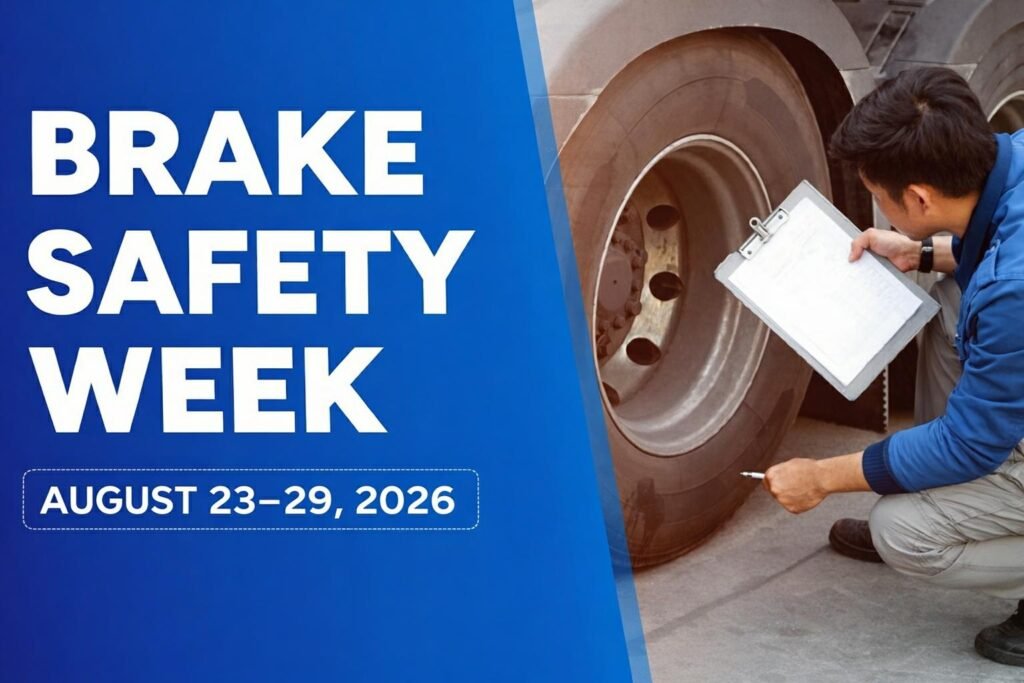
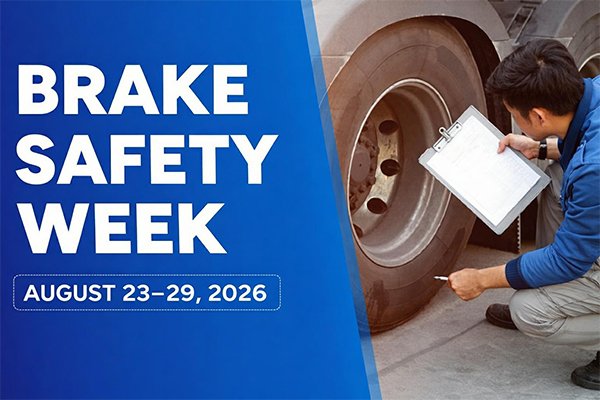
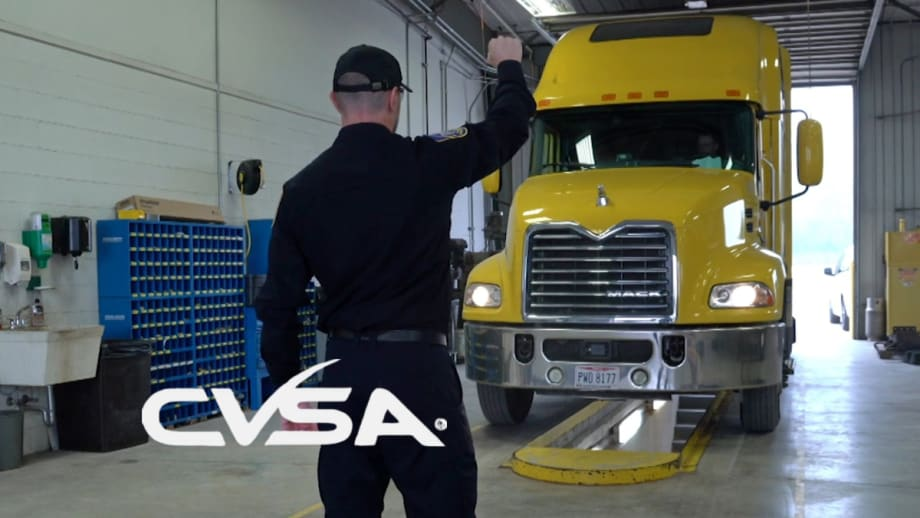
CVSA Brake Safety Week — scheduled for August 23–29, 2026 — will bring heightened enforcement across North America. During this event, inspectors specifically target brake-related deficiencies, including cracked drums and worn rotors that could dislodge and endanger public safety.
| Compliance Area | Requirement | Frequency |
|---|---|---|
| Pre-Trip Brake Check | Driver visual and functional inspection | Daily |
| Full Brake System Inspection | Certified mechanic evaluation | Every 10,000–15,000 miles(recommended) |
| Annual Vehicle Inspection | FMCSA Appendix G criteria | Every 12 months |
| CVSA Brake Safety Week Readiness | Enhanced roadside inspection preparedness | Annually (late August) |
We design our brake components to meet FMCSA standards—helping your fleet stay inspection-ready, reduce downtime, and keep drivers safe. Talk to our team to find the right solution for your fleet.
Understanding Commercial Brake System Components and Their Role in Safety
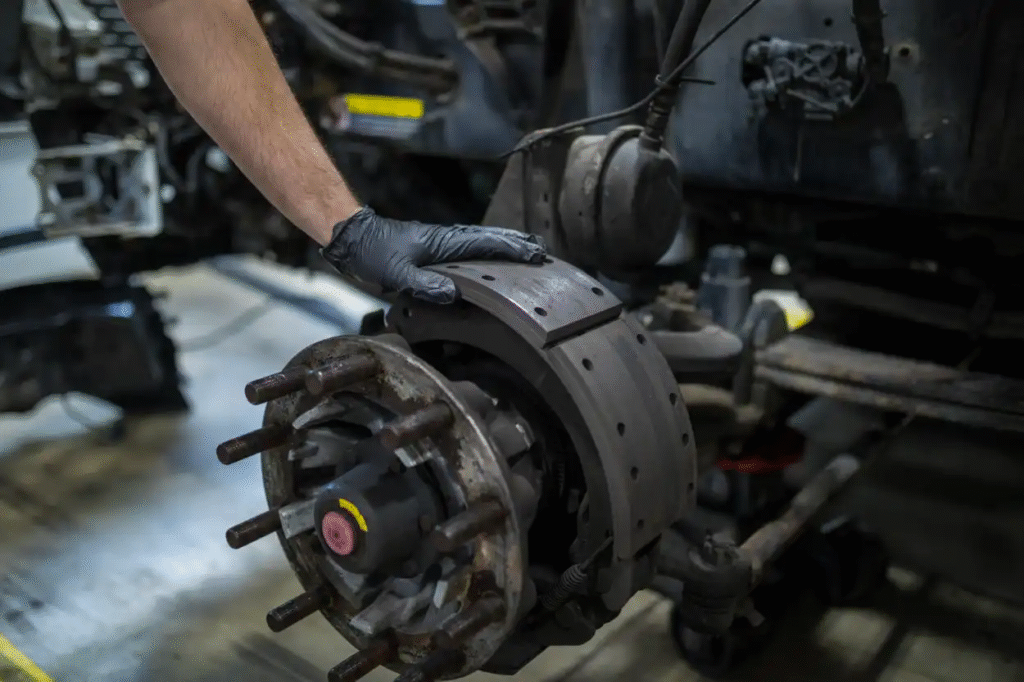
Every heavy commercial vehicle relies on a network of brake components working in unison. Understanding each part — and how it degrades — helps you prevent costly failures and keep your fleet road-ready. Let’s break down the critical elements you need to monitor.
Brake Pads, Rotors, and Drums: Critical Components Under Stress
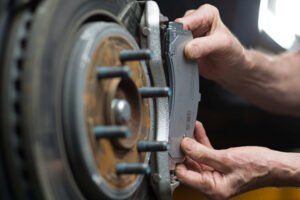
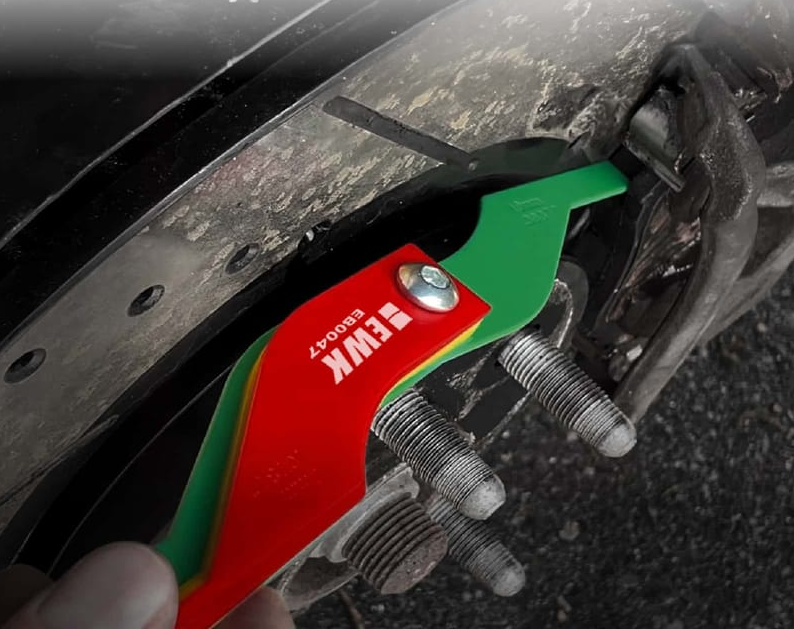
Brake pads and shoes absorb significant friction energy during every braking event. Routine thickness checks ensure pads remain above safe minimum limits—above safe minimum limits. For example, CVSA/FMCSA criteria require at least 4.8 mm (3/16″) on steer-axle drum brakes, 6.4 mm (1/4″) on other drum brakes, or 3.2 mm (1/8″) on disc brakes If pads wear too thin, the metal backing plate can contact the rotor, leading to accelerated wear, higher repair costs, and potential out-of-service violations.
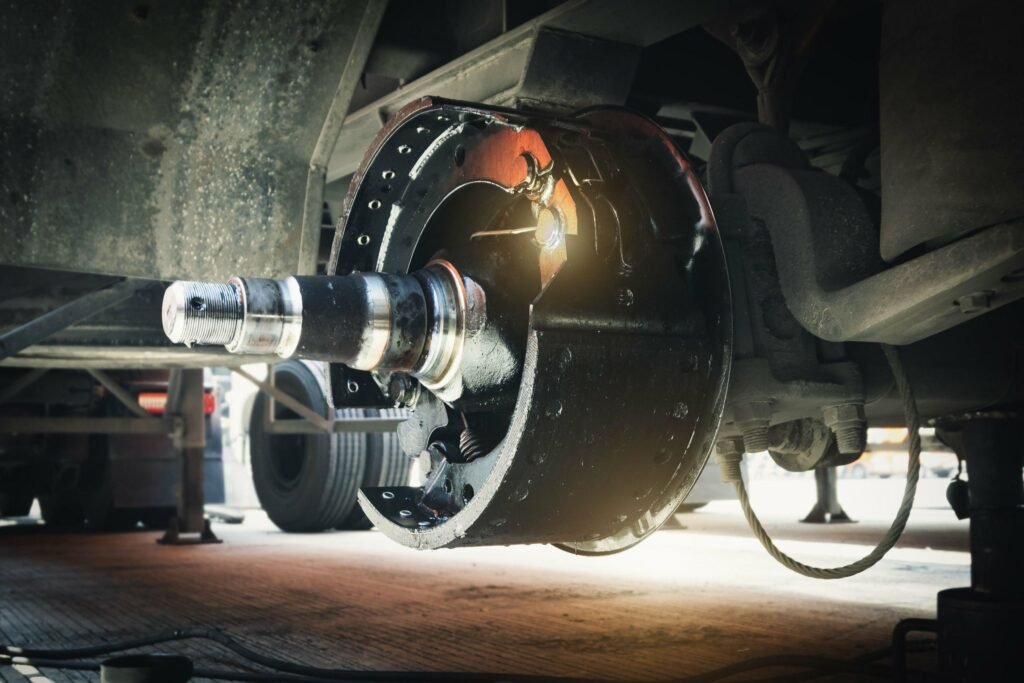
A thorough rotor condition assessment checks for cracks, heat scoring, and warping. Drums face the same risks. Urban routes with frequent stops accelerate this wear far faster than highway driving, so your inspection schedule should reflect actual operating conditions.
Air Brake Systems vs. Hydraulic Systems in Heavy Trucks
Most Class 7 and Class 8 trucks use air brakes, while lighter commercial vehicles often rely on hydraulic setups. Each system demands a distinct approach:
| Feature | Air Brake System | Hydraulic Brake System |
|---|---|---|
| Primary Medium | Compressed air | Brake fluid |
| Common Vehicle Class | Class 7–8 (26,001+ lbs) | Class 3–6 (10,001–26,000 lbs) |
| Key Inspection Focus | Compressors, reservoirs, slack adjusters, valves | Master cylinder, brake lines, fluid levels |
| Primary Failure Risk | Air leaks, moisture contamination | Fluid leaks, brake fluid overheating/boiling |
| Testing Method | Air brake system testing with pressure gauges | Hydraulic brake inspection (checking brake fluid level and for leaks) |
How Component Wear Affects Overall Braking Performance
Recognizing brake component wear patterns early is your best defense against system failure. Uneven pad wear often signals caliper issues or misalignment. Contaminated air lines reduce braking force gradually — a subtle but dangerous decline.
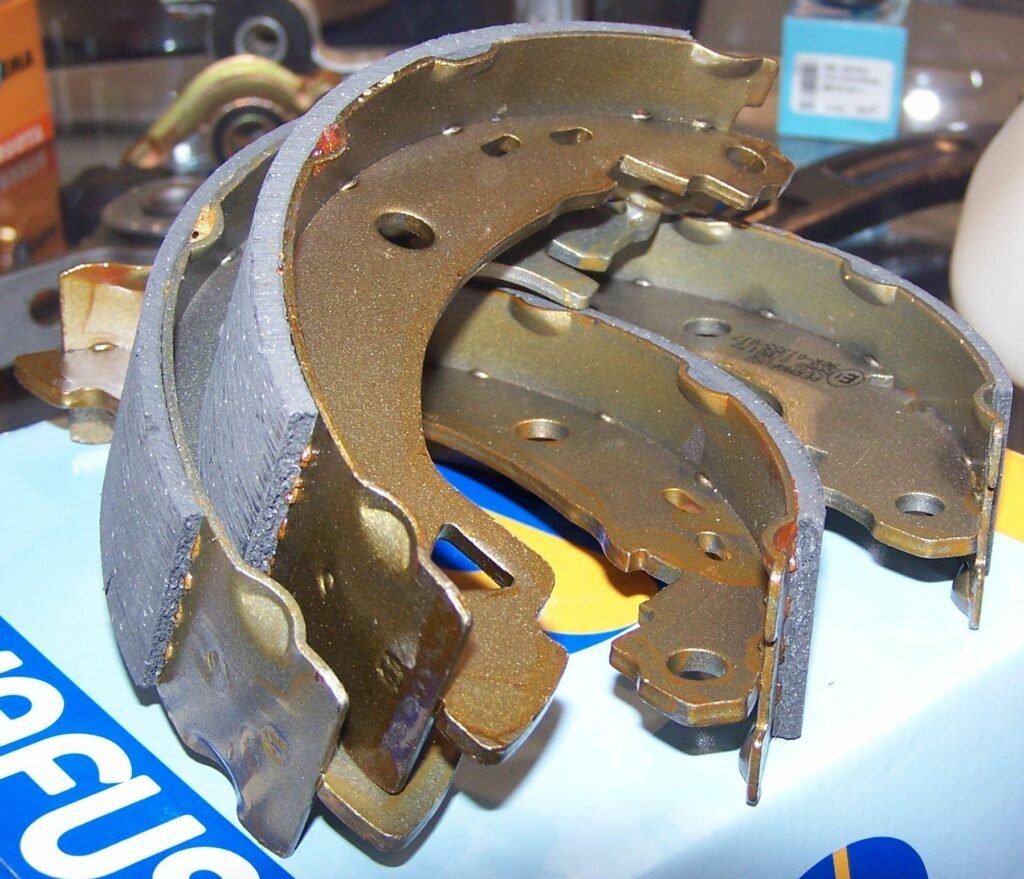
Selecting heavy-duty pads engineered with advanced friction materials helps your fleet withstand high temperatures and heavy loads. These purpose-built components last longer, meaning fewer replacements and lower total ownership costs. This foundation sets the stage for the essential testing procedures we cover next.
Essential Inspection Procedures and Protocols
A strong fleet safety culture starts with shifting from reactive repairs to preventive brake maintenance. Comprehensive programs — built around consistent checks and clear standards — reduce unexpected failures and keep your vehicles road-ready.
Your brake inspection checklist should begin at the driver level. Mandate daily pre-trip inspections so drivers can catch early signs of trouble before they escalate. At every scheduled service interval, trained technicians should perform detailed checks using a structured fleet maintenance schedule.
Here’s what your technicians should evaluate during brake inspection procedures:
- Measure pad thickness with brake gauges and compare readings against minimum specifications set by the manufacturer.
- Inspect pads for tapering or uneven wear — this often signals caliper or hardware issues.
- Check rotors and drums for heat discoloration (blue or dark spots), grooves, scoring, and cracks.
- Confirm caliper slide pins move freely and pistons retract smoothly without binding.
- Perform a visual inspection of flexible brake hoses for cracks, bulges, or leaks.
| Inspection Type | Frequency | Performed By | Key Focus Areas |
|---|---|---|---|
| Pre-Trip Check | Daily | Driver | Pedal feel, warning lights, visible leaks |
| Routine Service Inspection | Every 10,000–15,000 miles | Certified Technician | Pad thickness, rotor condition, hose integrity |
| Full Brake System Audit | Annually or per DOT schedule | Certified Technician | Complete system evaluation per FMCSA standards |
Following established commercial vehicle inspection protocols keeps your fleet aligned with FMCSA regulations. Tools like OTR Solutions’ Safety Score Monitor give you 24/7 access to CSA BASIC scores through their Client Portal — helping you track and improve safety performance year-round.
Consistent brake testing procedures paired with real-time monitoring create a reliable safety net. When you know the condition of your brakes at all times, you protect your drivers, your cargo, and everyone on the road.
Warning Signs of Brake System Deterioration
Catching problems early can mean the difference between a scheduled repair and a roadside emergency. Recognizing brake failure warning signs is essential for every fleet operator and driver. Small issues — like a slight pull to one side or a faint squeal — can escalate into full system failure if left unchecked.
Visual Indicators During Pre-Trip Inspections
Proper driver inspection training teaches operators to spot visible brake wear indicators before hitting the road. Look for these red flags during every walk-around:
- Thin or cracked brake pads and linings
- Fluid leaks around brake lines, calipers, or wheel cylinders
- Scored or grooved rotors and drums
- Loose or damaged air brake hoses and fittings
Even minor brake line leaks or air brake imbalances worsen over time. Addressing them during pre-trip checks prevents costly breakdowns on the highway.
Performance Changes Drivers Should Report Immediately
Not all deterioration is visible. Drivers must report these symptoms right away:
- Squealing, grinding, or thumping noises from the wheel area
- The truck pulling to one side under braking — a sign of uneven wear or fluid issues
- Pedal vibrations caused by warped rotors from excessive heat
- Longer stopping distances pointing to fluid leaks or low air pressure
- Decreased braking power on steep grades, which signals overheated brakes or worn linings
Dashboard warning lights require immediate inspection — never ignore them.
Diagnostic Tools and Technology for Early Detection
Some modern fleets use electronic brake pad wear sensors to alert drivers when pads reach minimum thickness, but most trucks still rely on manual inspection. These sensors remove guesswork from maintenance scheduling.
Vehicle telematics monitoring takes detection a step further. Telematics platforms track hard-braking events, flagging specific drivers or routes that are especially tough on brake components. This data helps you prioritize inspections and build the proactive maintenance program we’ll explore in the next section.
Building a Proactive Brake Maintenance Program for Your Fleet
A strong preventive maintenance program relies on a two-tiered approach. The first tier involves daily driver inspections — your operators are the first line of defense. They feel subtle performance changes that even skilled technicians might miss during scheduled checks. Training drivers to recognize and report these shifts creates an invaluable early warning system for commercial fleet safety.
The second tier focuses on detailed technician inspections at service intervals based on actual usage — not just mileage. Heavy-load routes wear brake components faster than highway cruising. Your brake replacement scheduling should reflect real-world operating conditions for each vehicle in the fleet.
Smart fleet brake management means understanding your true total cost of ownership. Here’s how component choices affect long-term expenses:
| Cost Factor | Standard Brake Pads | Premium Brake Pads |
|---|---|---|
| Component Price | $80–$120 per axle set | $150–$220 per axle set |
| Average Lifespan | 30,000–40,000 miles | 60,000–80,000 miles |
| Annual Replacements (per truck) | 2–3 times | 1–2 times |
| Downtime per Service Visit | 4–6 hours | 4–6 hours |
| Estimated Annual Cost (parts + labor + downtime) | $1,800–$2,400 | $1,000–$1,500 |
Every hour a truck sits in a service bay is lost revenue — the most overlooked cost in any fleet operation. Premium components cut associated expenses nearly in half.
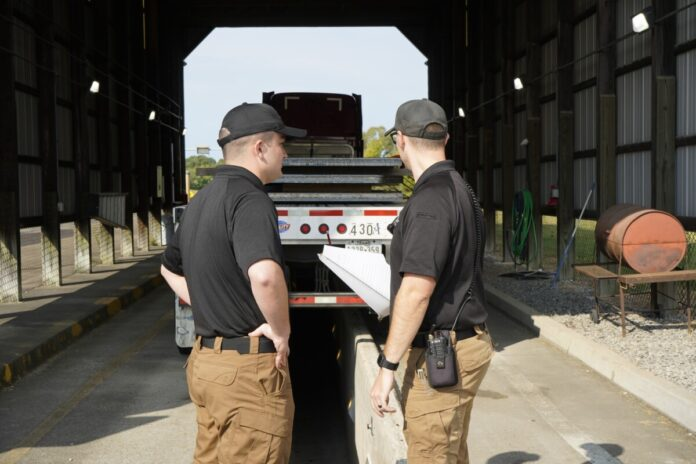
We recommend scheduling certified mechanic inspections at least two weeks before CVSA Brake Safety Week each year. This avoids last-minute appointment rushes and gives you time to address any findings. Digital maintenance tools simplify compliance tracking by generating detailed records that demonstrate your commitment to commercial fleet safety — and they help uncover recurring issues before they lead to costly repairs or violations.
Conclusion
Proactive brake pad maintenance is not a cost center — it is a brake maintenance investment in your fleet’s future. A systematic approach to inspections, driver training, and quality components protects your drivers, the public, and your bottom line. Every dollar you spend on prevention saves you from expensive repairs, liability claims, and unplanned downtime that disrupts your operations.
At Tuoba, we engineer brake pads with patented technology built to handle the extreme demands of commercial applications. Our goal is simple — give fleet managers a pad they can install with confidence and count on for the longest service life possible. That kind of durability is the foundation of smart long-term fleet management and a safer road for everyone.