

Every brake pad does the same basic job — it converts motion into heat through friction. That part never changes. But when you compare truck vs bus braking needs, the differences in design and performance are striking. Mass, speed, stopping frequency, and federal safety rules all push engineers toward very different solutions for each vehicle type.

At Tuoba, we engineer commercial vehicle brake pads with these differences front and center. Each pad represents a careful balance of friction level, heat tolerance, wear rate, noise control, and cost — all tuned to a specific mission. The commercial brake pad specifications for a long-haul Peterbilt look nothing like those for a New Flyer city transit bus, even though both are heavy-duty brake systems.
Understanding the Fundamental Performance Requirements
Before you compare bus and truck brake pads side by side, you need to grasp what each vehicle demands from its braking system. The differences come down to three core factors — weight, heat, and how often the brakes get used. Each factor shapes the engineering behind every pad installed on a commercial fleet vehicle.
Weight and Load Capacity Considerations
GVWR braking requirements vary dramatically across vehicle classes. A fully loaded Class 8 truck can weigh up to 80,000 lbs, placing enormous stress on brake components. Transit buses typically operate between 30,000 and 42,000 lbs GVWR, while light-duty pickups range from 6,000 to 14,000 lbs — especially when towing. The higher the load, the greater the kinetic energy your brakes must absorb and convert into heat.
| Vehicle Type | Typical GVWR Range | Braking Energy Demand |
|---|---|---|
| Class 8 Heavy-Duty Truck | 33,001–80,000 lbs | Extreme |
| Transit Bus | 30,000–42,000 lbs | High (cyclic) |
| Coach/Motor Coach | 36,000–54,000 lbs | High (sustained) |
| Light-Duty Truck (Towing) | 6,000–14,000 lbs | Moderate to High |
Temperature Range and Heat Management
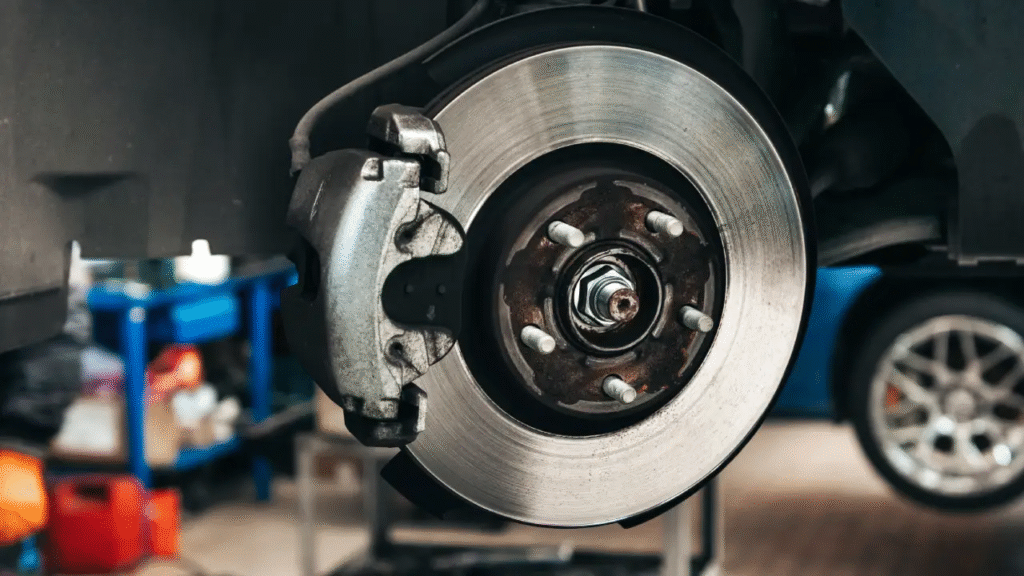
Heavy trucks descending long mountain grades — think the I-70 corridor in Colorado — can push rotor temperatures past 900°F. Thermal capacity brake pads must maintain a stable friction coefficient across this entire range. Without strong fade resistance, stopping power drops right when you need it most.
Duty Cycle Differences Between Vehicle Types
Commercial vehicle duty cycles define how pads wear and perform over time. Consider these key patterns:
- Transit buses — frequent stop-and-go cycles, up to 200+ stops per shift, demanding rapid brake heat dissipation between applications.
- Heavy-duty trucks — long sustained braking on highway descents with fewer but more intense thermal events.
- Coach buses — a blend of highway cruising and occasional steep-grade braking at high speeds.
These duty cycle differences directly influence material selection, pad thickness, and service interval planning — topics we’ll explore in the next section on specific material and friction changes between bus and truck pads.
Brake Pads for Buses vs Trucks: What Changes?
When you compare bus and truck braking systems side by side, the differences go far beyond size. The brake pad materials, performance targets, and expected lifespan shift based on each vehicle’s unique operating demands. Let’s break down the three core areas where these pads diverge.
1. Material Composition Variations
Heavy-duty trucks rely on sintered metal pads or metallic-ceramic hybrids. These formulations handle extreme heat without breaking down — a critical need for long-haul and high-GVWR applications. The trade-off? They can be noisy and wear rotors faster.
Buses take a different path. Transit fleets often use NAO brake pads — non-asbestos organic or low-metallic NAO blends. These deliver balanced stopping power with much less noise, which matters when you’re carrying passengers through city streets. Light-duty trucks tend to use semi-metallic compounds or ceramic brake technology, with heavier versions increasing metallic content for better thermal resistance.
If you’d like a more practical breakdown of how metallic, ceramic, and organic brake pads differ in performance, noise, and durability, the video below provides a helpful visual explanation.
2. Friction Coefficient Requirements
The friction coefficient targets for each vehicle type reflect their real-world duties, shaped by differences in material formulation and design, which directly influence how braking performance responds under different operating conditions. Trucks need rock-solid fade resistance — a stable friction coefficient across a wide temperature band, especially under sustained mountain-grade braking. Buses demand strong cold bite for safe all-weather stops and consistent performance through dozens of repeated stop cycles per hour.
| Vehicle Type | Primary Friction Need | Typical Pad Type |
|---|---|---|
| Heavy-Duty Truck | Fade resistance at high temps | Sintered metal pads |
| Transit Bus | Cold bite and cycle consistency | NAO brake pads |
| Light Truck | Balanced all-around performance | Semi-metallic compounds |
3. Wear Rate and Service Life Expectations
Service life expectations vary by fleet type. Passenger vehicles typically see 30,000–70,000+ miles per set. Commercial fleets measure wear-per-mile as a key metric tied to total cost of ownership. Longer service intervals mean more uptime and lower labor costs — a priority you’ll see reflected in the engineering of every pad compound chosen for these applications.
Heavy-Duty Truck Brake Pad Specifications
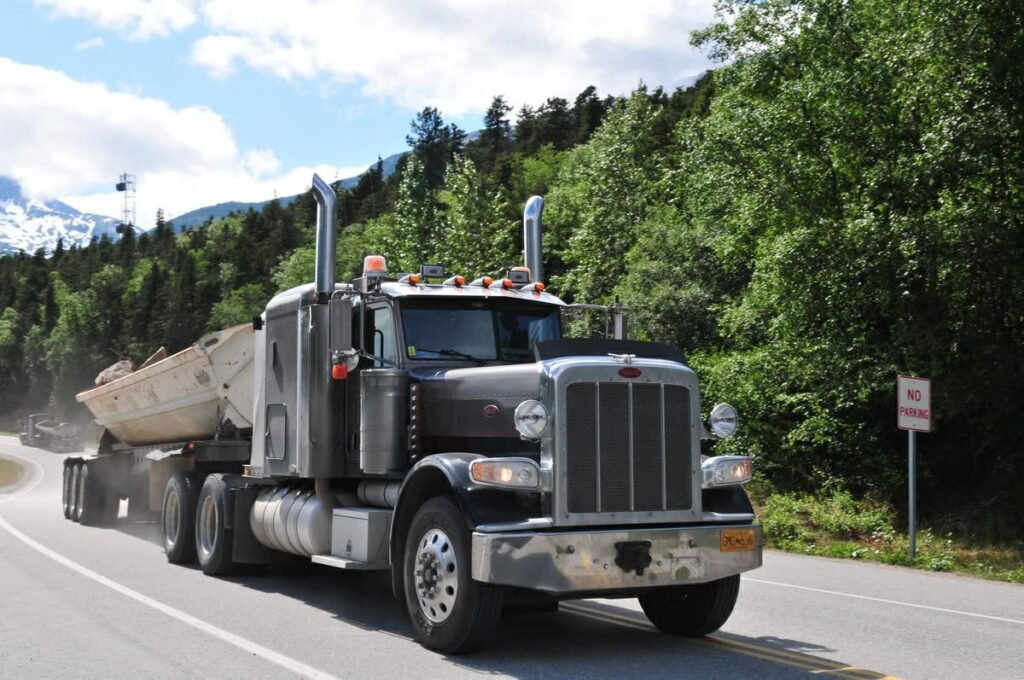
When you’re stopping 80,000 lbs at highway speed, there’s zero room for error. Heavy-duty truck brake pads sit at the extreme end of commercial brake performance requirements. Every material choice and design spec ties directly to safety, uptime, and cost efficiency for fleet operators across the United States.
Extreme Fade Resistance for GVWR Loads
At full GVWR, Class 8 trucks demand friction materials that maintain stable coefficients across punishing duty cycles. Fade resistance isn’t just a preference — it’s a non-negotiable safety requirement. The friction coefficient must stay consistent whether you’re descending a mountain grade or navigating stop-and-go traffic near a distribution center.
Sintered Metal and Metallic-Ceramic Hybrid Materials
Two material families dominate the heavy-duty truck segment. Sintered brake pads use powdered metals fused under extreme heat and pressure to create incredibly dense, wear-resistant compounds. Metallic-ceramic hybrids blend metal fibers with ceramic particles — delivering high thermal stability with improved friction modulation. Both types trade some rotor gentleness and noise comfort for uncompromising stopping power.

Operating Temperature Ranges Up to 1000°F
Extreme temperature braking is the daily reality for long-haul and vocational trucks. Quality heavy-duty pads must perform reliably from cold starts up to 1000°F and beyond. Here’s how the primary material types compare:
| Specification | Sintered Metal | Metallic-Ceramic Hybrid |
|---|---|---|
| Max Operating Temp | 1,200°F | 1,000°F |
| Fade Resistance | Excellent | Very Good |
| Rotor Wear Impact | Higher | Moderate |
| Noise Level | Moderate–High | Low–Moderate |
| Typical Service Life | 80,000–120,000 miles | 60,000–100,000 miles |
Total Cost of Ownership and Fleet Economics

For fleet managers, fleet maintenance costs drive every purchasing decision. Wear-by-mileage becomes the key metric — not just pad cost per unit. Longer service intervals mean more truck uptime, fewer shop visits, and reduced labor expenses. Noise concerns become secondary when commercial brake performance and longevity protect your bottom line.
Transit and Coach Bus Brake Pad Requirements
Bus brake systems share some DNA with heavy truck setups — but the demands diverge in critical ways. You need to account for frequent stop-and-go cycling, strict noise control, and the reality that dozens of passengers ride just feet from the wheels.
Transit fleet braking in urban environments puts extreme thermal stress on brake pads. A city bus may execute 200+ stops per shift, requiring excellent heat dissipation and fade resistance. Specialized low-metallic NAO (non-asbestos organic) compounds often deliver the best balance — strong cold bite in wet or freezing conditions paired with consistent friction across temperature swings.
Coach bus safety introduces a different challenge. Long highway descents demand sustained braking without performance drop-off. Route profiles through mountainous terrain — think Interstate 70 in Colorado — push pads to their thermal limits. Sintered metal compounds or organic blends may be selected depending on specific route requirements.
Passenger comfort braking is a factor you won’t find on a truck spec sheet. Noise, vibration, and harshness (NVH) performance matters significantly because:
- Excessive brake squeal in residential neighborhoods draws complaints and hurts transit agency reputations
- Harsh pedal response causes standing passengers to lose balance
- Vibration transfers through the cabin and degrades ride quality
Urban transit maintenance schedules must minimize downtime. Every hour a bus sits in the shop is lost revenue and reduced route coverage. Wear longevity becomes a top fleet priority — extending service intervals cuts labor costs and keeps vehicles on the road.
| Requirement | Transit Bus | Coach Bus |
|---|---|---|
| Primary Duty Cycle | Frequent stop-and-go | Highway with sustained braking |
| NVH Sensitivity | Very High | High |
| Preferred Compound | Low-metallic NAO | Sintered metal or organic blend |
| Typical Stops Per Shift | 200–300 | 20–50 |
| Service Life Priority | High — reduces fleet downtime | High — reduces long-haul interruptions |
We recognizes that these unique operating conditions shape every material decision — from friction compound selection to pad geometry — ensuring optimal performance across your entire fleet.
Conclusion
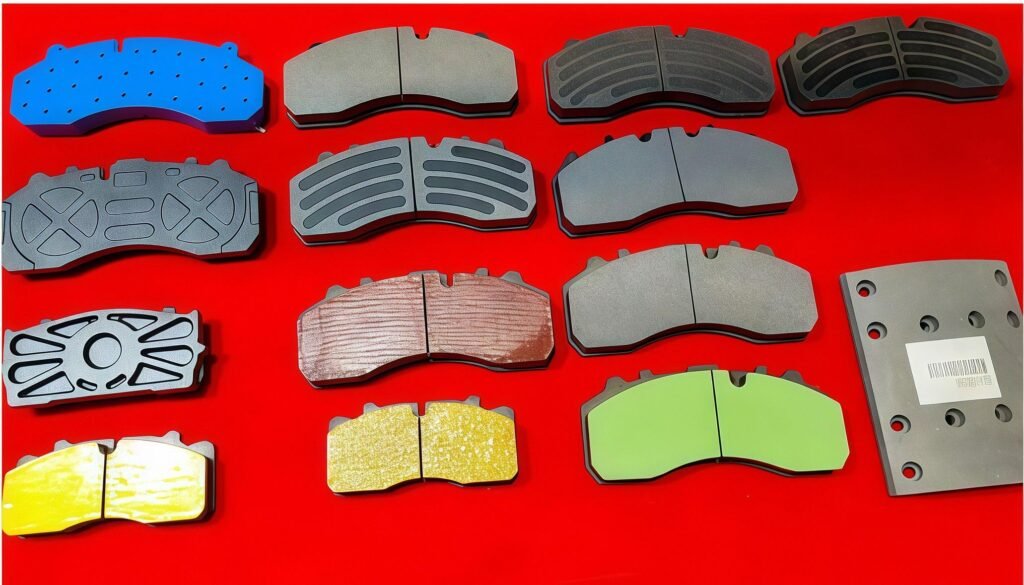
Brake pad selection is a clear example of engineering shaped by real-world demands. Each compound — whether NAO, semi-metallic, ceramic, or sintered metal — strikes a unique balance between friction, heat tolerance, wear rate, noise, and cost. The right choice depends entirely on the vehicle’s specific mission, and this is where brake system optimization plays a critical role in both performance and commercial vehicle safety.
At Tuoba, we believe that understanding these distinctions is essential for every fleet manager and maintenance professional when selecting the right brake pad solution. When you replace brake pads, it’s best to swap all pads on a given axle at the same time. This keeps braking force balanced across the wheels and prevents uneven wear that could compromise stopping power. Consistent fleet brake solutions like this protect your drivers and reduce long-term expenses.