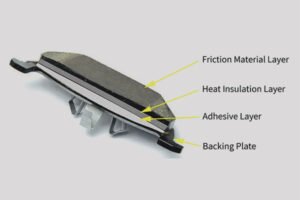
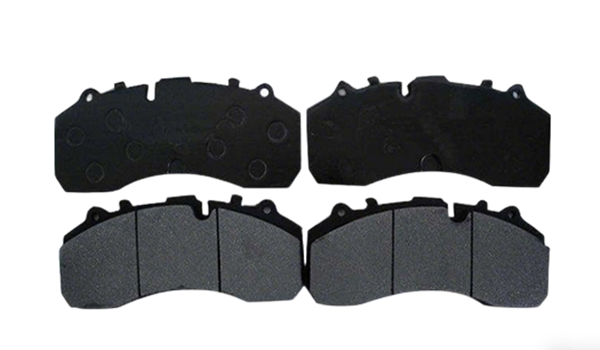
Brake pads are one of the most critical safety components of a vehicle. After installing new brake pads, it’s important to remember that the surface of the new pads is relatively flat, while the brake disc surface is not perfectly smooth.
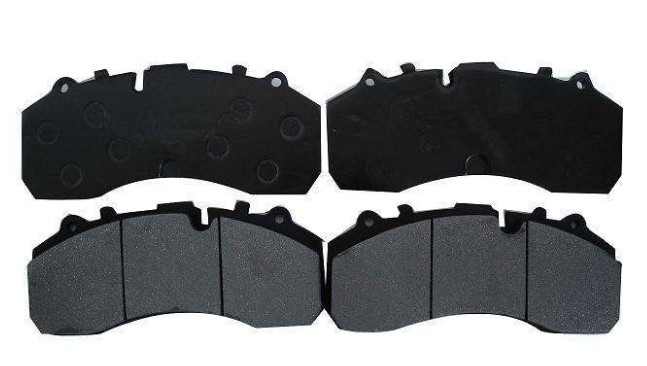
As a result, you may initially experience what feels like “weak braking” or reduced stopping power. This is completely normal. Therefore, it is essential to properly bed in (break in) the new brake pads so that the contact area between the pads and the disc increases, ensuring optimal braking performance.Below is a detailed guide on how to properly bed in new brake pads:
The First Few Hundred Kilometers Are Crucial
After replacing the brake pads, the first few hundred kilometers (or first few hundred miles) are extremely important.
During this bedding-in period, drivers should avoid frequent hard braking and high-speed driving. Excessive heat buildup can cause uneven material transfer or improper mating between the brake pads and the disc surface.
It is recommended to drive on relatively smooth roads at moderate speeds and apply the brakes progressively and gently. This allows the brake pads and discs to make even contact and wear in properly.
Avoid Prolonged High-Speed Driving
Extended high-speed driving generates significant friction heat, which can accelerate wear or even cause deformation of the new brake pads, negatively affecting braking performance.
Therefore, during the break-in period, try to avoid sustained high-speed driving to prevent unnecessary stress and premature wear on the pads.
Perform Controlled Brake Applications
Immediately after installation, there may be slight oxidation or contaminants on the surfaces of the brake pads and brake discs, which can affect braking efficiency.
To accelerate the bedding process and clean the disc surface, it is recommended to perform 10–15 controlled brake applications at varying speeds on a safe, low-traffic road.
This helps remove surface contaminants, promotes even material transfer, and improves the contact efficiency between the brake pads and the brake discs.
Monitor Pad Condition During the Break-In Period
During the bedding process, it is important to regularly monitor the condition of the brake pads.
It is normal for new brake pads to show moderate wear after some driving distance. However, if you notice excessive wear, abnormal noise, vibration, or reduced braking performance, the system should be inspected promptly and the pads replaced if necessary.
Properly bedding in new brake pads not only improves braking performance but also extends service life and enhances driving safety. Taking a little extra care during the first few hundred kilometers can make a significant difference in long-term braking reliability.