

What Should You Do After Installing New Brake Pads?
After installing new brake pads, you should perform a proper bedding-in process, avoid hard braking, drive moderately for the first few hundred kilometers, and monitor braking performance. This ensures optimal friction transfer, stable braking, and longer service life.
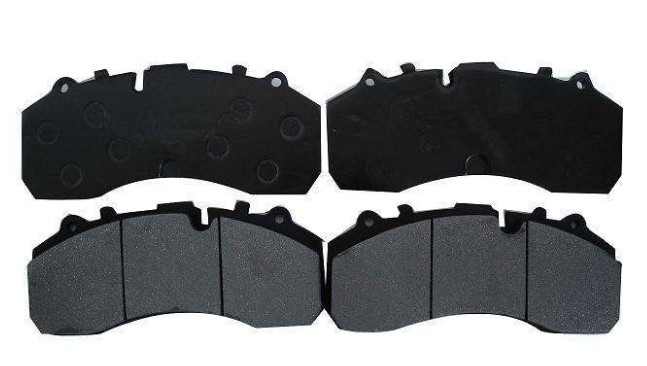
Why New Brake Pads May Feel Weak at First
Brake pads are one of the most critical safety components of a vehicle. After installing new brake pads, it’s important to remember that the surface of the new pads is relatively flat, while the brake disc surface is not perfectly smooth.
As a result, you may initially experience what feels like “weak braking” or reduced stopping power. This is completely normal. Therefore, it is essential to properly bed in (break in) the new brake pads so that the contact area between the pads and the disc increases, ensuring optimal braking performance.
Step-by-Step Guide After Installing New Brake Pads

Step 1 – Drive Carefully During the First Few Hundred Kilometers
The first few hundred kilometers (or miles) after replacing the brake pads are extremely important.
During this bedding-in period, drivers should avoid frequent hard braking and high-speed driving. Excessive heat buildup can cause uneven material transfer or improper mating between the brake pads and the disc surface.
It is recommended to drive on relatively smooth roads at moderate speeds and apply the brakes progressively and gently. This allows the brake pads and discs to make even contact and wear in properly.
Step 2 – Avoid Prolonged High-Speed Driving
Extended high-speed driving generates significant friction heat, which can accelerate wear or even cause deformation of the new brake pads, negatively affecting braking performance.
Therefore, during the break-in period, try to avoid sustained high-speed driving to prevent unnecessary stress and premature wear on the pads.
Step 3 – Perform Controlled Brake Applications
Immediately after installation, there may be slight oxidation or contaminants on the surfaces of the brake pads and brake discs, which can affect braking efficiency.
To accelerate the bedding process and clean the disc surface, it is recommended to perform 10–15 controlled brake applications at varying speeds on a safe, low-traffic road.
This helps remove surface contaminants, promotes even material transfer, and improves the contact efficiency between the brake pads and the brake discs.
Step 4 – Monitor Pad Condition During the Break-In Period
During the bedding process, it is important to regularly monitor the condition of the brake pads.
It is normal for new brake pads to show moderate wear after some driving distance. However, if you notice excessive wear, abnormal noise, vibration, or reduced braking performance, the system should be inspected promptly and the pads replaced if necessary.
Key Brake Pad Break-In Parameters
Bedding stops: 10–15 times
Driving style: moderate speed, gentle braking
Break-in distance: first few hundred kilometers
Cooling condition: avoid continuous heavy braking
Frequently Asked Questions
How long does it take to bed in new brake pads?
Typically, it takes the first few hundred kilometers of normal driving to fully bed in new brake pads. Proper driving habits during this period are essential for optimal performance.
What happens if you don’t bed in brake pads properly?
If brake pads are not properly bedded in, it can lead to uneven friction material transfer, reduced braking performance, increased noise, and accelerated wear.
Can I drive normally after installing new brake pads?
You can drive normally, but it is recommended to avoid aggressive braking and high-speed driving during the initial break-in period to ensure proper pad and disc contact.
Why do new brake pads feel less effective at first?
New brake pads may feel less effective because the contact surface between the pad and disc has not yet fully developed. As the bedding process progresses, braking performance will improve.
Conclusion
Properly bedding in new brake pads not only improves braking performance but also extends service life and enhances driving safety. Taking extra care during the first few hundred kilometers can significantly improve long-term braking reliability.
Choosing brake pads with stable friction performance is just as important as proper installation and break-in procedures, as it is a key factor in ensuring the long-term stability of the braking system, especially when selecting high-quality brake pads for trucks and trailers.

At TuoBa, we specialize in the development and manufacturing of OEM and aftermarket brake pads for heavy-duty commercial vehicles, delivering consistent quality and flexible solutions to meet diverse application needs.
For more details about product specifications and OEM brake pad solutions, you can visit our brake pad product page to explore more information, or contact us directly for customized support.