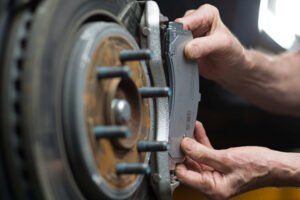
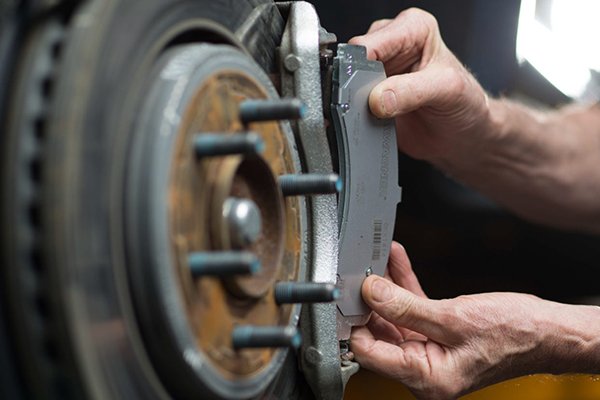
Your brakes are the single most important safety system on your vehicle. Every time you press the pedal — whether in stop-and-go traffic or on a rain-soaked highway — you’re relying on vehicle braking components to protect you and everyone around you. When those parts wear out, your brake replacement options matter more than you might think.
OEM brakes are the parts your car came with from the factory. Built by the original equipment manufacturer to match your vehicle’s exact make and model, they’re engineered to meet strict performance and brake system safety standards. For many drivers, they represent a trusted baseline — the same quality that rolled off the assembly line.
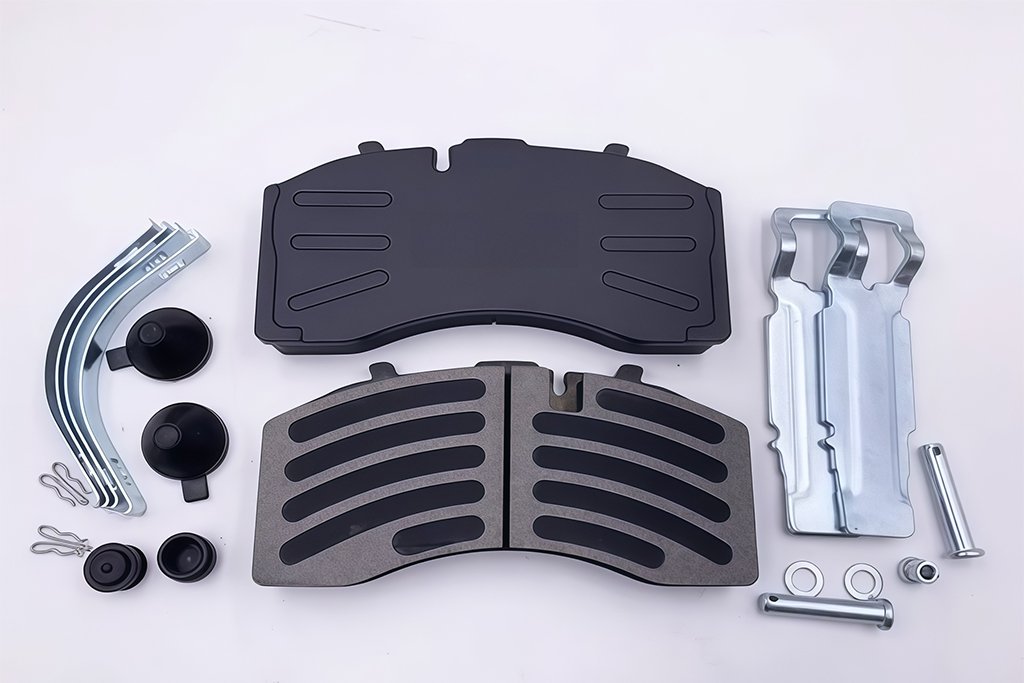
Aftermarket brake parts tell a different story. Produced by third-party companies like Tuoba, Brembo, and EBC, these components range from budget-friendly replacements to high-performance upgrades. Some match OEM specs at a lower price. Others push well beyond factory performance with advanced materials and designs built for demanding conditions.
So which path is right for you? The answer depends on how you drive, what you drive, and what you expect from your braking system. This guide walks you through every factor — from safety and fit to long-term cost — so you can make a confident, informed brake replacement decision.
Understanding the Three-Way Decision: OEM, Budget Aftermarket, and Premium Aftermarket Brakes
Most guides frame the brake buying decision as a simple either-or choice — OEM or aftermarket. That approach misses a critical distinction. The aftermarket space spans a wide spectrum, from entry-level pads to high-performance systems built by world-class engineers. A proper brake quality comparison requires you to consider three distinct categories, not two.
Why the Traditional Two-Way Comparison Falls Short
Grouping all aftermarket products into one bucket ignores massive differences in brake manufacturing standards. A $25 set of generic pads and a Brembo sport rotor package serve very different purposes. When you treat them as equals, you risk making a choice based on incomplete information — and that can affect both safety and long-term value.
Defining Each Category for Modern Drivers
Here’s how we break down each option so you can see where your needs fit:
- OEM Brakes — Parts built to exact factory specs. They guarantee a precise fit and predictable performance straight from the vehicle manufacturer.
- Budget Brake Options — These replicate OEM designs at a lower price point. Materials and manufacturing processes may differ, which can impact pad life and stopping consistency.
- Premium Aftermarket Brakes — Brands like Brembo, Textar, and Zimmermann often exceed original specs. They target reduced brake dust, quieter operation, and stronger stopping power.
The Real Cost Differences Beyond the Price Tag
Sticker price tells only part of the story. Cost-effective braking solutions account for pad lifespan, rotor wear rates, and replacement frequency over time.
| Factor | OEM | Budget Aftermarket | Premium Aftermarket |
|---|---|---|---|
| Average Pad Set Cost | $80–$150 | $20–$50 | $60–$130 |
| Typical Pad Lifespan | 40,000–60,000 miles | 20,000–35,000 miles | 45,000–70,000 miles |
| Manufacturing Standards | Vehicle manufacturer spec | Varies by brand | Meets or exceeds OEM spec |
| Brake Dust Output | Moderate | Moderate to High | Low to Moderate |
| Noise Level | Low | Moderate | Low |
As you move into the performance and safety analysis in the next section, keep these category distinctions in mind. They form the foundation for every decision point ahead.
OEM Brakes VS Aftermarket: Breaking Down Performance and Safety Standards
When you compare OEM and aftermarket brakes, the conversation comes down to one thing — safety. Both options must deliver reliable stopping power, but the way each achieves that goal differs. Let’s break down how braking efficiency standards apply across factory and aftermarket choices.
Factory Specifications and Precision Engineering
OEM brake pads and rotors are built to match your vehicle’s entire braking system. Every component meets strict OEM specifications for friction performance , heat resistance, and durability. The rotor engineering is designed to work in tandem with your car’s ABS, calipers, and hydraulic lines — creating a balanced system right out of the factory.
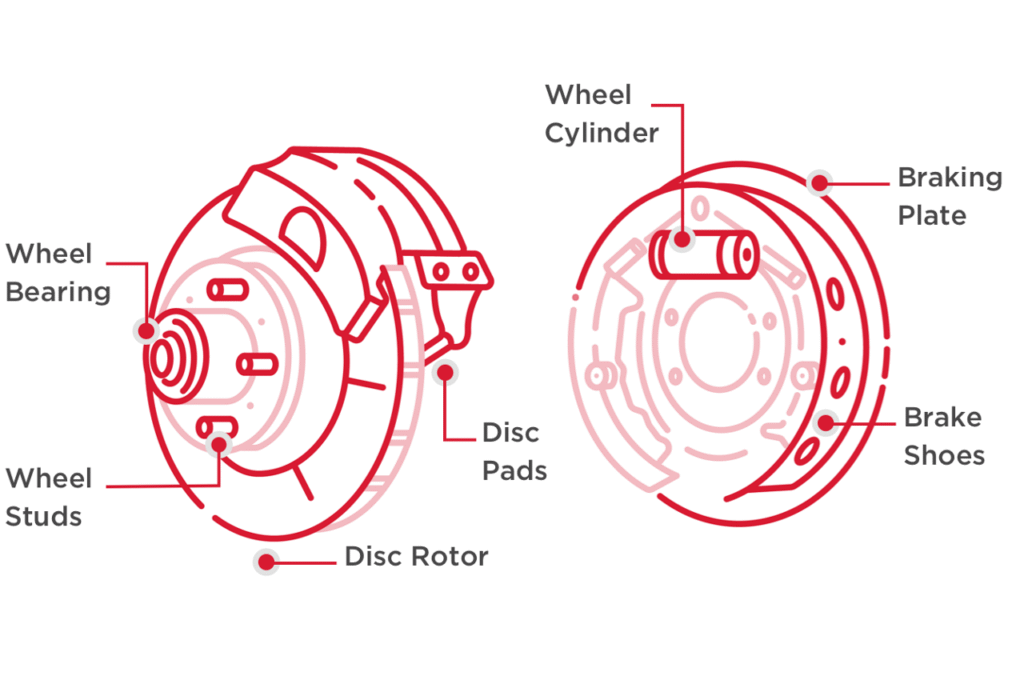
This precision means predictable performance under normal driving conditions. Original brake pad materials are selected to minimize noise and dust while meeting the automaker’s exact requirements.
Quality Variations in the Aftermarket Market
The aftermarket world is not one-size-fits-all. Aftermarket quality control ranges dramatically depending on the manufacturer. Some budget brands cut corners on materials and testing, falling short of factory standards. Others — like Hawk Performance or EBC Brakes — invest in rigorous testing protocols that meet or exceed federal safety benchmarks.
At TuoBa, we place the same emphasis on quality, testing, and certification. Our brake pads are developed and validated through rigorous standards to ensure performance comparable to leading brands such as EBC Brakes, Brembo, Textar, and Zimmermann — and in some cases, even exceeding OE requirements.
We also invest heavily in research and development each year to continuously improve our friction materials and develop new product solutions, ensuring we remain competitive and aligned with evolving global standards.
To learn more about our capabilities and manufacturing expertise, visit our brake pad manufacturer page.
Below are our key certifications, testing standards, and quality management systems that support this level of performance.
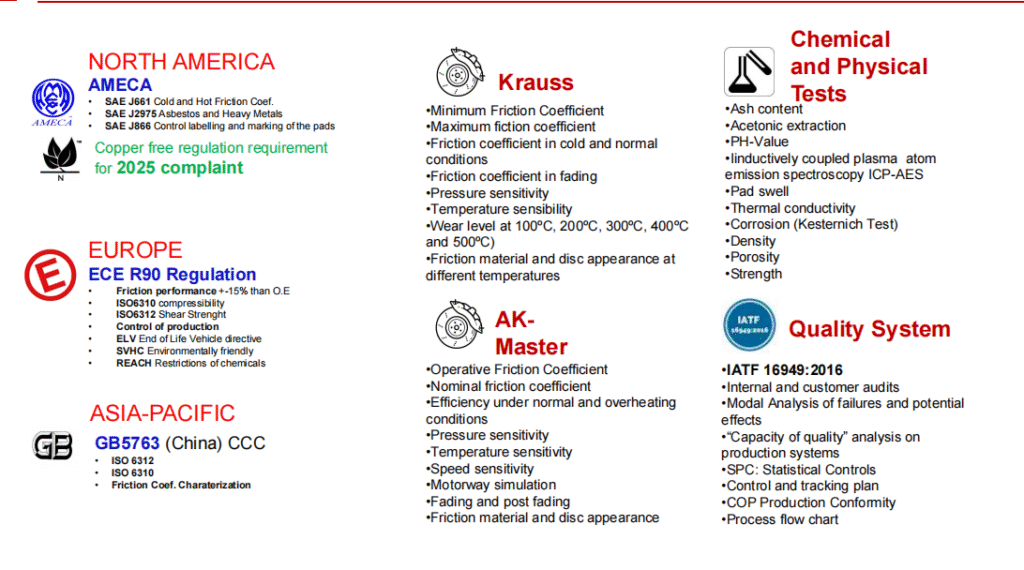
Here’s what to watch for when evaluating aftermarket options:
- Certifications such as ECE R90 or FMVSS 135 compliance
- Published friction coefficient data
- Independent third-party test results
- Brand reputation among professional mechanics
How Premium Aftermarket Options Often Exceed OEM Performance
Premium aftermarket pads offer specialized brake pad materials — ceramic blends for quiet daily driving or semi-metallic compounds for aggressive stopping power. Slotted rotors, for example, channel gases away during hard braking to prevent fade on mountain descents.
| Feature | OEM Brakes | Premium Aftermarket |
|---|---|---|
| Rotor Engineering | Smooth, standard design | Slotted or dimpled for heat dissipation |
| Pad Material Options | Single factory compound | Ceramic, semi-metallic, or organic choices |
| Heat Resistance | Rated for standard use | Rated for high-stress and spirited driving |
| Pad Longevity | 30,000–50,000 miles typical | 40,000–70,000 miles depending on compound |
Keep in mind — drilled rotors popular in the aftermarket space can crack under extreme racing loads. For track use, professional teams typically prefer slotted designs. For daily commuters, standard rotor engineering paired with quality pads is more than sufficient.
Perfect Fit vs Smart Upgrades: Installation and Compatibility Considerations
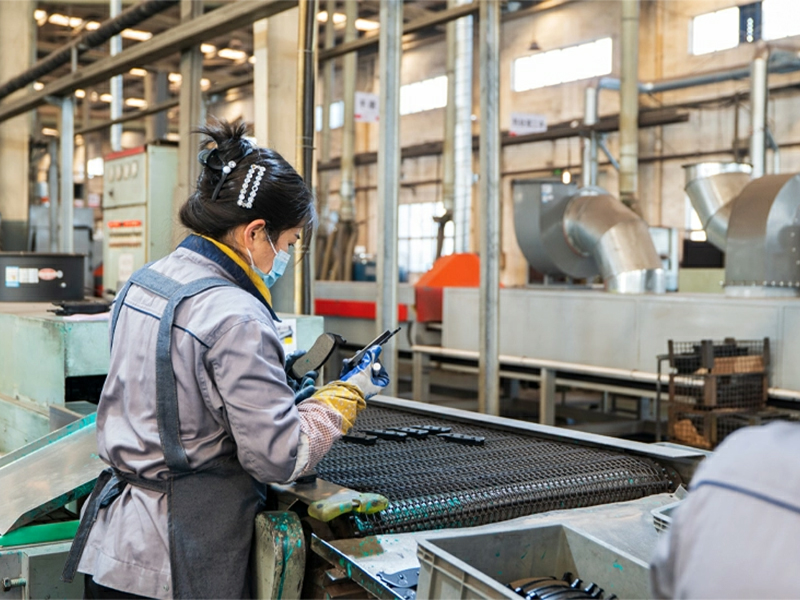
Choosing between a direct-fit part and a performance upgrade comes down to one critical factor — how well the components work with your specific vehicle. Let’s break down what brake fitment really means for each option and why it matters for your safety.
OEM replacement parts are engineered for your exact make and model. Manufacturers like Toyota, Ford, and BMW invest millions in R&D to ensure every component meshes with ABS sensors, calipers, and electronic stability systems. This makes brake installation straightforward — no guesswork, no surprises. Vehicle compatibility is guaranteed from the factory.
Aftermarket modifications open the door to customization, but they demand more attention during setup. Since many aftermarket pads and rotors are designed to fit multiple vehicles, you need to verify brake fitment before purchasing. A part labeled “compatible” may still require minor adjustments for proper brake system integration.
One key difference worth noting involves rotor longevity and maintenance:
- Standard OEM-style rotors can be resurfaced once or twice before needing replacement.
- Drilled and slotted rotors — popular in aftermarket modifications — cannot be resurfaced and must be fully replaced when worn or warped.
- Budget rotors made from lower-grade steel tend to warp sooner, increasing long-term costs.
| Factor | OEM Replacement Parts | Aftermarket Options |
|---|---|---|
| Brake Installation Complexity | Bolt-on, no modifications needed | May require compatibility verification |
| Vehicle Compatibility | Exact match for specific models | Designed for multiple makes/models |
| Brake System Integration | Seamless with ABS, ESC, sensors | Varies by brand and quality tier |
| Rotor Resurfacing | Possible 1–2 times | Not possible for drilled/slotted types |
The bottom line? If you value a hassle-free brake installation, OEM parts deliver peace of mind. If you’re looking to tailor your braking performance, premium aftermarket brands can be a smart upgrade — as long as you verify every detail of brake system integration before you buy.
Real-World Applications: Matching Brake Types to Your Driving Style
Your brake selection guide should start with one simple question — how do you actually drive? The right choice depends on your daily habits, your routes, and any extra demands you place on your vehicle. Let’s break it down by real-world driving conditions.
Daily Commuters and City Driving
For commuter vehicles that spend most of their time in stop-and-go traffic, smooth OEM-style rotors and standard pads meet your brake requirements without overspending. You don’t need performance modifications for a 25-mile highway commute. OEM brakes deliver quiet, predictable stops — exactly what city driving demands.
Mountain Roads and Mixed-Use Scenarios
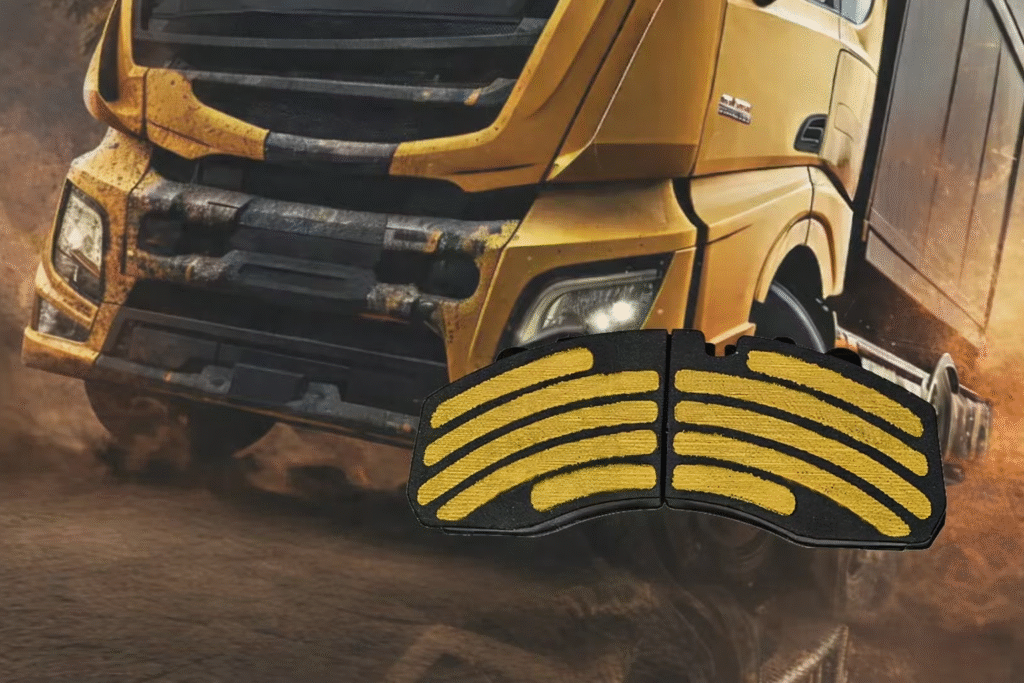
Steep grades and winding descents push brakes to their limits. Performance driving through mountain passes generates intense heat that standard pads may struggle to manage. Slotted rotors and upgraded pads help with heat dissipation during these demanding driving conditions. Towing applications add even more stress — a loaded trailer on a downhill grade can fade standard brakes quickly.
The Midsize SUV Case Study: When Premium Aftermarket Makes Sense
Picture a Toyota Highlander owner who commutes during the week but hauls a small boat on weekends. OEM brakes restore the factory feel with zero fitment risk. Premium aftermarket options from brands like Power Stop or EBC deliver low-dust, quiet operation with better heat management for towing applications — often at a lower price point.
| Driving Scenario | Best Brake Type | Key Benefit |
|---|---|---|
| City commuting | OEM or budget aftermarket | Quiet, cost-effective stops |
| Mountain roads | Premium aftermarket | Better heat dissipation |
| Weekend towing | Premium aftermarket | Fade resistance under load |
| Mixed-use SUV driving | Premium aftermarket | Balanced performance and value |
| Track or performance driving | High-performance aftermarket | Maximum stopping power at high temps |
Matching your brake type to your actual habits ensures you spend wisely — and stop safely every time.
Value Analysis: Total Cost of Ownership Over Time
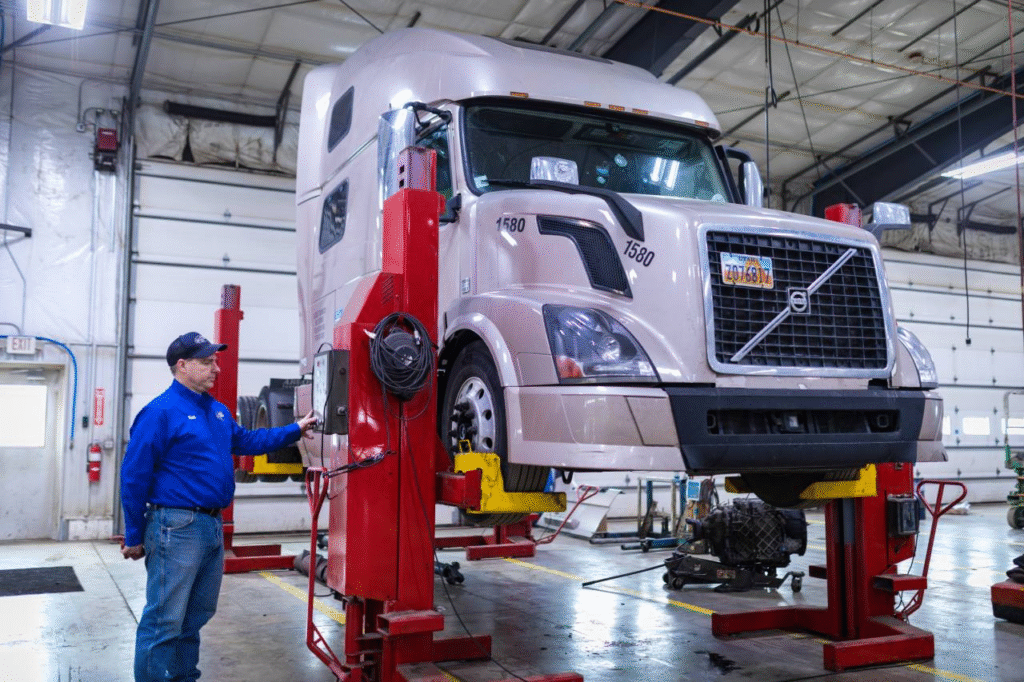
Choosing brakes isn’t just about the sticker price. The total ownership cost includes every replacement, repair, and unexpected expense over the life of your vehicle. A smart analysis looks beyond the initial purchase and weighs brake longevity, coverage plans, and how your choice affects vehicle value down the road.
Initial Investment vs Long-Term Maintenance
OEM brakes carry a higher upfront brake replacement cost — often 30% to 50% more than budget aftermarket parts. That premium reflects precision engineering matched to your car’s exact specs. Yet the long-term maintenance picture can flip the equation entirely.
Real-world data highlights a striking gap in brake longevity. In one documented comparison, OEM rotors and pads lasted roughly 138,000 miles, while aftermarket slotted rotors paired with ceramic pads wore out at just 35,000 miles. Pad composition and rotor compatibility played a major role in that difference. Premium aftermarket options from brands like EBC or Power Stop narrow that gap — and sometimes exceed OEM lifespan.
| Brake Type | Avg. Upfront Cost (Per Axle) | Estimated Lifespan | Replacements Over 140K Miles | Est. Total Cost |
|---|---|---|---|---|
| OEM | $350–$500 | 70,000–140,000 mi | 1–2 | $500–$1,000 |
| Budget Aftermarket | $150–$250 | 25,000–45,000 mi | 3–5 | $600–$1,250 |
| Premium Aftermarket | $275–$450 | 60,000–100,000 mi | 1–2 | $450–$900 |
Warranty Coverage and Peace of Mind Factors
Most automakers include warranty coverage on OEM brake components installed at dealerships. This protection can save you hundreds if a defect appears. Aftermarket parts often lack equivalent warranty coverage, leaving you financially responsible for premature failures.
- OEM warranties typically cover parts and labor for 12–24 months
- Premium aftermarket brands may offer limited warranties — read the fine print
- Budget aftermarket parts rarely include meaningful coverage
Resale Value and Vehicle Integrity
If you plan to sell or trade in your car within a few years, OEM brakes help preserve vehicle value. Buyers and dealers trust factory-spec components. A well-maintained brake system signals that the entire car received proper care — a detail that directly influences what someone will pay for your ride.
Making the Smart Choice: Key Decision Factors for Your Vehicle
There is no universal answer when it comes to picking the right brakes. Your ideal choice depends on a mix of personal needs, driving habits, and practical constraints. Understanding the core brake selection criteria helps you cut through the noise and land on a confident decision.
Vehicle age considerations play a major role in this process. If you drive a newer car still under warranty, OEM pads and rotors preserve factory-level stopping power and protect your coverage. For vehicles past the five-year mark, quality aftermarket options from brands like Brembo, Wagner, or Tuoba often deliver equal — or better — results at a lower price point.
Budget planning is just as critical. While cost matters, the cheapest option rarely equals the safest one. We recommend weighing upfront price against pad life, rotor durability, and warranty coverage. Smart brake choices balance affordability with proven reliability.
Your performance requirements should guide the final call. Daily commuters may do well with standard replacements, while drivers tackling steep grades or towing loads need pads rated for higher heat thresholds. Brand reputation serves as a dependable filter here — manufacturers with strong track records, positive mechanic reviews, and transparent testing data earn trust for a reason.
- Consult a qualified brake specialist before purchasing
- Read verified customer and mechanic reviews
- Confirm warranty terms from the seller or manufacturer
- Match brake compound to your primary driving environment
| Decision Factor | New Vehicle (0–5 Years) | Older Vehicle (5+ Years) |
|---|---|---|
| Recommended Brake Type | OEM | Premium Aftermarket |
| Budget Priority | Warranty preservation | Cost-effective longevity |
| Performance Focus | Maintain factory specs | Upgrade stopping power |
| Brand Guidance | Original manufacturer parts | Brembo, Wagner, Tuoba |
| Specialist Consultation | Recommended | Strongly recommended |
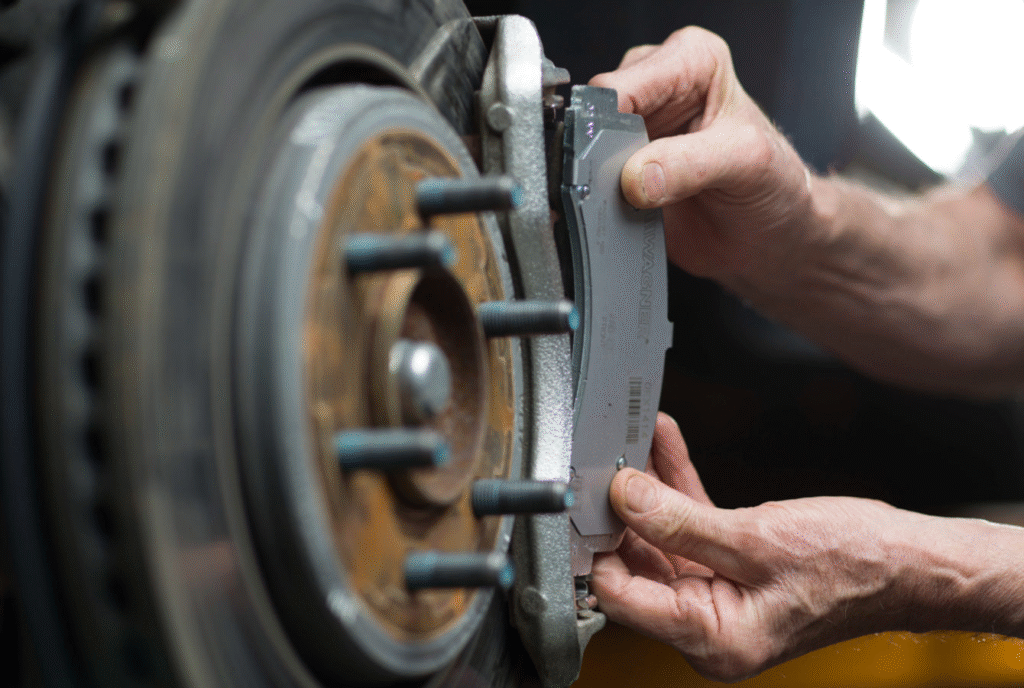
Prioritize safety and quality above all else. A few extra dollars spent on trusted components can mean the difference between a close call and a safe stop.
Conclusion
Choosing between OEM and aftermarket brakes is not a simple either-or decision. Modern drivers face a three-way choice — OEM, budget aftermarket, and premium aftermarket options each bring unique strengths to the table. OEM parts deliver precision and factory-matched authenticity. Budget aftermarket components offer affordability. Premium aftermarket brakes often strike the best balance of low dust, quiet operation, and optimal braking performance for everyday driving.
No matter which path you take, consistent brake maintenance is the single most important factor in keeping your system reliable. Routine brake system care — including regular inspections, fluid flushes, and timely pad replacements — ensures safe stops for years to come. Focus on your actual driving demands, weigh the total cost of ownership, and commit to proper upkeep. That approach will keep your braking system delivering the performance and safety you depend on every time you hit the road.