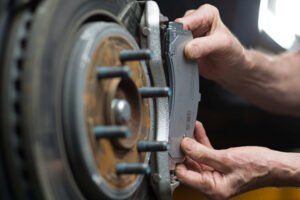
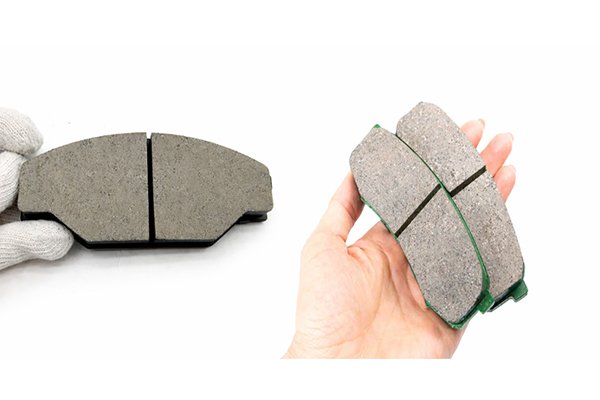
When it comes to ceramic vs semi metallic brake pads, the debate is far from simple. Ceramic pads run quietly and produce less dust — ideal for city streets and highway commutes. Semi-metallic pads handle extreme heat and heavy loads with ease, making them a go-to for trucks and performance vehicles like the Ford Mustang GT or Chevrolet Camaro SS. Your driving style, vehicle type, and budget all shape which option makes sense.
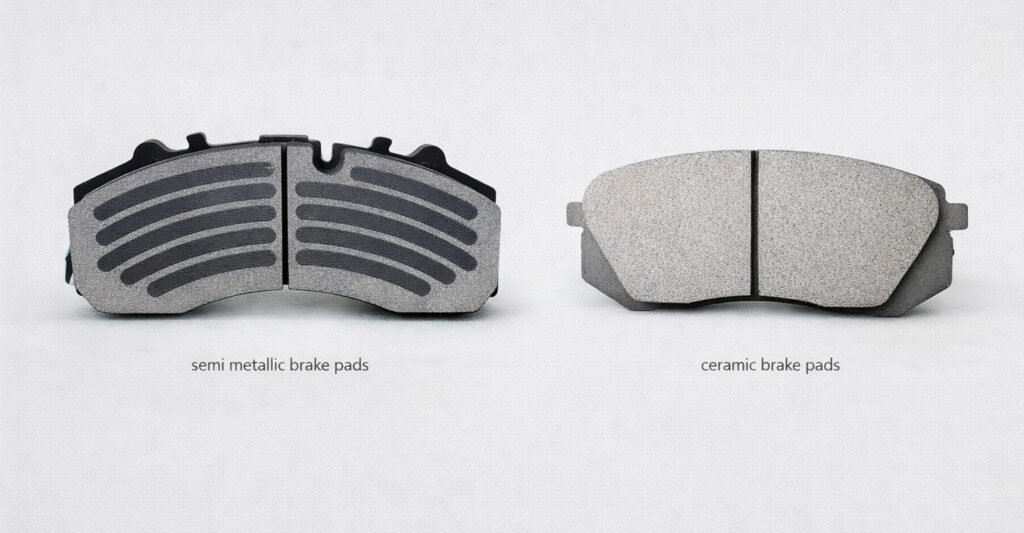
This guide breaks down each brake pad type — covering noise, heat management, stopping power, cost, and durability. By the end, you’ll know exactly which pad fits your needs and keeps you safe on the road.
Understanding How Brake Pads Work in Your Vehicle
Before you compare ceramic and metallic options, it helps to know what happens every time you step on the brake pedal. Your vehicle relies on several brake system components working together in a precise sequence. Let’s break down each step so you can make a more informed choice later.
The Role of Brake Pads in Your Braking System
When you press the brake pedal, hydraulic brake fluid transmits force from the pedal to the wheels. The master cylinder function is to pressurize this fluid and push it through a network of brake lines. At each wheel, that pressure activates either a caliper or a wheel cylinder — depending on your setup.
Brake pads sit inside the caliper and serve as the contact point between the hydraulic system and the spinning rotor. If you want a clearer technical definition, you can refer to this detailed explanation of brake pads. Without them, your vehicle simply cannot stop safely.
Converting Kinetic Energy to Heat Through Friction
Your car in motion carries kinetic energy. Stopping it means converting that energy into heat. Brake caliper operation pushes the pads against the rotor surface, and the friction materials in those pads generate the heat needed to slow the wheel. The faster you drive, the more energy the pads must absorb and dissipate.
This is why friction materials matter so much. Ceramic and semi-metallic compounds handle heat very differently — a topic we’ll explore in later sections.
Different Types of Brake Systems: Disc vs Drum
| Feature | Disc Brakes | Drum Brakes |
|---|---|---|
| Friction Contact | Pads press against a rotor | Shoes press against an inner drum surface |
| Heat Dissipation | Excellent — open-air rotor design | Limited — enclosed drum traps heat |
| Common Placement | Front and rear (most modern cars) | Rear wheels on budget models |
| Maintenance Complexity | Moderate — pad replacement is straightforward | Higher — spring and adjuster setup required |
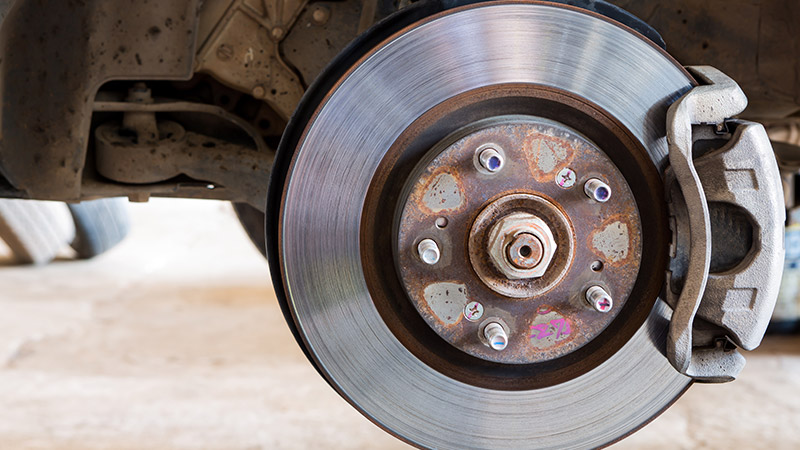
Most modern vehicles use disc brakes on all four wheels. Manufacturers like Toyota and Ford design these systems to perform reliably across all driving conditions — from highway commutes to mountain descents. Understanding these basics sets the stage for choosing between ceramic and semi-metallic pads in the sections ahead.
What Are Ceramic Brake Pads?
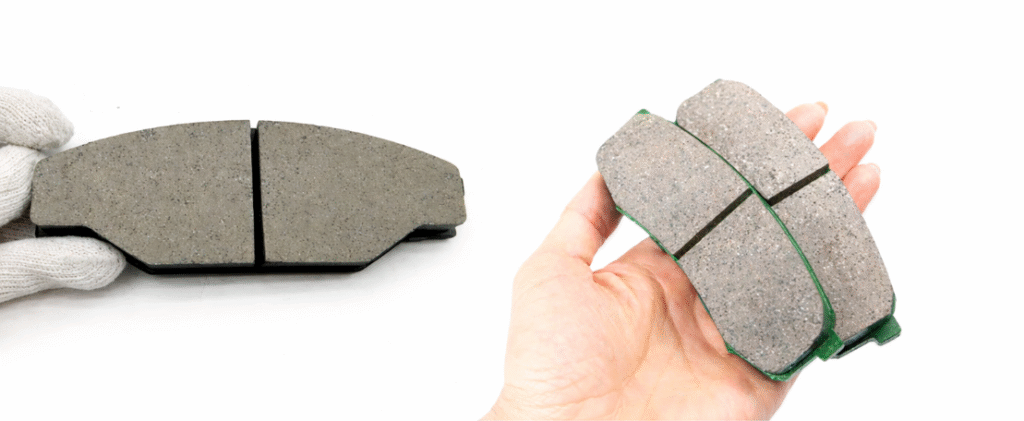
Ceramic brake pads are built from pottery-like materials — the same family of compounds used to make plates and tiles. The difference? Brake pad manufacturing processes make these materials far tougher and more heat-resistant than anything in your kitchen cabinet. Since their introduction, ceramic pads have become a top choice for everyday drivers who want quiet, clean braking.
Material Composition and Manufacturing Process
The ceramic brake pad composition blends ceramic fibers, bonding agents, fillers, and small amounts of metal. During brake pad manufacturing, these raw ingredients are mixed, pressed into molds under extreme pressure, and cured at high temperatures. This process creates a pad that resists heat buildup and wears evenly over thousands of miles.
- Ceramic fibers provide the structural foundation
- Bonding resins hold the compound together under stress
- Fillers fine-tune friction levels and noise dampening
- Embedded metal fibers improve thermal conductivity
Fine Copper Fibers and Dense Ceramic Materials
Copper fiber technology plays a critical role inside these pads. Fine copper strands are woven throughout the ceramic compound to boost heat dissipation and friction consistency. The high ceramic material density allows the pad to spread braking heat across its surface — preventing hot spots that cause premature wear. This combination delivers stable stopping power across a wide temperature range.
Development History Since the Mid-1980s
Ceramic pads first appeared in the mid-1980s as an alternative to asbestos-based and organic compounds. By the early 2000s, brands like R1 Concepts began offering dedicated ceramic series designed for smooth, quiet road performance. Their popularity has grown steadily, driven by reduced brake dust and consistent pedal feel.
| Feature | 1980s Ceramic Pads | Modern Ceramic Pads |
|---|---|---|
| Copper Fiber Technology | Basic copper content | Advanced fine-fiber integration |
| Noise Level | Moderate reduction | Near-silent operation |
| Brake Dust Output | Lower than organic pads | Minimal, light-colored dust |
| Heat Tolerance | Up to 600°F | Up to 800°F |
| Typical Lifespan | 30,000–40,000 miles | 50,000–70,000 miles |
What Are Semi-Metallic Brake Pads?
Semi-metallic brake pads are the most popular choice for a wide range of vehicles in the United States. The semi-metallic composition blends metal fibers with synthetic binding agents to create a pad that handles heat and stress with ease. You’ll find these pads on everything from daily commuters to high-performance sports cars.
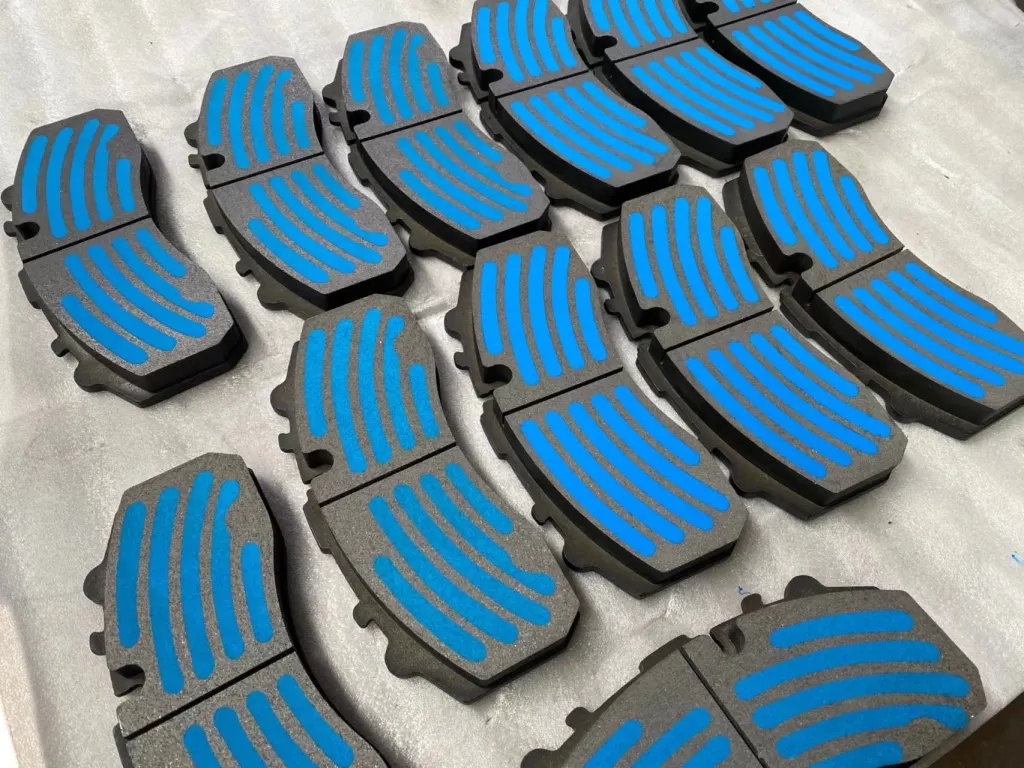
The metallic brake pad materials in a semi-metallic pad typically make up 30% to 70% of the total formula. Steel copper iron fibers form the backbone of the pad’s structure, giving it the strength needed to resist intense braking forces. A graphite lubricant is mixed into the compound to reduce friction-related noise and help the pad glide smoothly against the rotor surface.
The metal content percentage directly affects how the pad performs under pressure. A higher ratio of metal means better heat conductivity — the pad absorbs and releases heat faster than organic or ceramic alternatives. This makes semi-metallic pads ideal for towing, mountainous driving, and spirited track days.
Here’s a quick look at common ingredients and their roles:
| Ingredient | Typical Percentage | Primary Function |
|---|---|---|
| Steel fibers | 15–30% | Structural strength and heat transfer |
| Copper fibers | 5–15% | Thermal conductivity and friction stability |
| Iron powder | 10–20% | Wear resistance and stopping force |
| Graphite | 5–10% | Lubrication and noise reduction |
| Synthetic fillers and resins | 20–40% | Binding agents and vibration dampening |
Keep in mind that various semi-metallic formulas exist to serve different needs. Brands like R1 Performance offer sport-oriented semi-metallic pads engineered for reliable stopping power under demanding conditions. Whether you drive in stop-and-go traffic or push your vehicle on weekends, choosing the right metal content percentage ensures your brakes match your driving demands.
Metallic Brake Pads vs Ceramic: Key Performance Differences
When you compare these two pad types side by side, the performance characteristics tell a clear story. Each option brings distinct strengths to the table — and understanding these differences helps you make a confident choice for your vehicle.
Noise Levels and Daily Driving Comfort
A brake noise comparison reveals a major gap between these two options. Ceramic pads operate with minimal sound, making them ideal for daily commutes and city driving. Semi-metallic pads tend to produce more audible squeaking and grinding — especially during cold starts or light braking.
Heat Resistance and Temperature Management
Semi-metallic pads excel in heat dissipation under extreme conditions. Their metal content absorbs and channels heat away from the rotor surface efficiently. Ceramic pads handle moderate heat well across a wide temperature range, but they tend to transfer more thermal energy into surrounding brake components — calipers, fluid, and lines — due to lower heat absorption capacity.
Stopping Power and Braking Performance
The metal fibers in semi-metallic pads create aggressive friction, resulting in a shorter stopping distance during hard braking. You’ll need less pedal force compared to organic alternatives. Ceramic pads deliver smooth, predictable braking for regular driving scenarios but may fall short in high-demand situations like track days or towing.
Brake Dust Production and Wheel Maintenance
Brake dust accumulation is noticeably lower with ceramic pads. The fine, light-colored dust they produce is far less visible on your wheels. Semi-metallic pads generate darker, heavier dust that clings to wheel surfaces and requires frequent cleaning.
| Feature | Ceramic Pads | Semi-Metallic Pads |
|---|---|---|
| Noise Level | Quiet operation | Noticeable squeaking |
| Heat Management | Moderate — transfers heat to components | Excellent — absorbs and disperses high heat |
| Stopping Distance | Standard for daily driving | Shorter under aggressive braking |
| Dust Output | Minimal, light-colored | Heavy, dark residue |
| Best Use Case | Commuting, light SUVs | Towing, performance vehicles |
With these distinctions in mind, the next step is weighing cost and long-term value — which we’ll break down in the following section.
Cost Analysis and Long-Term Value
Choosing brake pads isn’t just about performance — it’s about what you’ll spend over time. Understanding brake pad pricing, replacement costs, and rotor wear rates helps you make a smarter decision for your budget and your vehicle.
Initial Purchase Price Comparison
Organic pads are the most affordable option upfront, often running $20–$40 per set. Semi-metallic pads sit in the mid-range — typically $30–$60. Ceramic pads carry the highest brake pad pricing, ranging from $50–$100 or more. The ceramic manufacturing process — pressing and firing dense ceramic compounds with fine copper fibers — drives that premium cost.
Durability and Replacement Frequency
Ceramic pads wear slowly. They can last 50,000–70,000 miles under normal driving conditions. This extended lifespan keeps replacement costs low over the life of your vehicle. Semi-metallic pads typically last 30,000–50,000 miles. Organic pads wear the fastest, often needing replacement at 20,000–40,000 miles. All pad types include built-in metal tang indicators that produce a squealing sound when it’s time for new pads.
Impact on Brake Rotors and System Wear
Rotor wear rates play a big role in total maintenance expenses. Semi-metallic pads — with their harder metal content — create more friction against rotors and accelerate disc wear. This can mean earlier rotor resurfacing or replacement, adding hundreds of dollars to your long-term costs. Ceramic pads are gentler on rotors, though the heat they transfer can cause warping in some cases. Rotor replacement alone can cost $200–$400 per axle, so protecting them matters for long-term value.
| Pad Type | Average Price Per Set | Typical Lifespan (Miles) | Rotor Wear Impact | Overall Long-Term Value |
|---|---|---|---|---|
| Organic | $20–$40 | 20,000–40,000 | Low | Moderate |
| Semi-Metallic | $30–$60 | 30,000–50,000 | High | Moderate |
| Ceramic | $50–$100 | 50,000–70,000 | Low | High |
Choosing the Right Brake Pads for Your Driving Style
Your driving habits play the biggest role in picking the right brake pads. A thorough driving conditions assessment helps you match pad materials to real-world demands. Before buying, think about where you drive most — city streets, highways, or mountain roads.

This brake pad selection guide breaks down the best options based on your typical driving patterns:
- City commuters: Frequent stop-and-go traffic calls for ceramic pads like the R1 Ceramic Series. They deliver quiet, smooth braking with minimal dust on your wheels.
- Highway cruisers: Ceramic pads handle light to moderate braking with ease, keeping cabin noise low during long trips.
- Mountain and hill drivers: Semi-metallic pads — such as the R1 Performance Sport Series — excel under heavy, repeated braking. They resist heat fade on steep descents.
- Towing and hauling: Extra vehicle weight raises performance requirements. Semi-metallic pads provide the stopping power heavy loads demand.
- Low-mileage drivers: Organic pads offer a budget-friendly option when braking demands are minimal.
Always check vehicle manufacturer recommendations before making a switch. Your owner’s manual specifies pad types engineered for your car’s braking system, weight, and design.
| Driving Style | Recommended Pad Type | Key Benefit | Typical Cost Range |
|---|---|---|---|
| Daily city commute | Ceramic | Low noise, minimal dust | $50–$100 per axle |
| Highway travel | Ceramic | Consistent, quiet braking | $50–$100 per axle |
| Mountain driving | Semi-metallic | Heat resistance, strong bite | $30–$70 per axle |
| Towing or hauling | Semi-metallic | Superior stopping power | $30–$70 per axle |
| Sports or track use | Semi-metallic | High-temp performance | $40–$80 per axle |
| Light, low-mileage use | Organic | Budget-friendly | $20–$50 per axle |
A quick, honest driving conditions assessment — paired with the right performance requirements — ensures you get pads that keep you safe and fit your budget.
Conclusion
In this final comparison, the choice between ceramic and semi-metallic brake pads comes down to how you use your vehicle. For daily commuting, city driving, school runs, and regular highway trips, ceramic pads are the smarter brake pad recommendation. They run quieter, produce less dust, and last longer under normal conditions. Reserve metallic pads for heavier loads, towing, and demanding braking situations where extra heat resistance matters most.