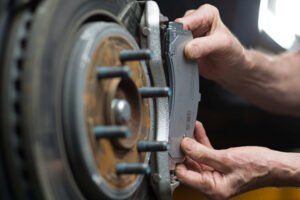
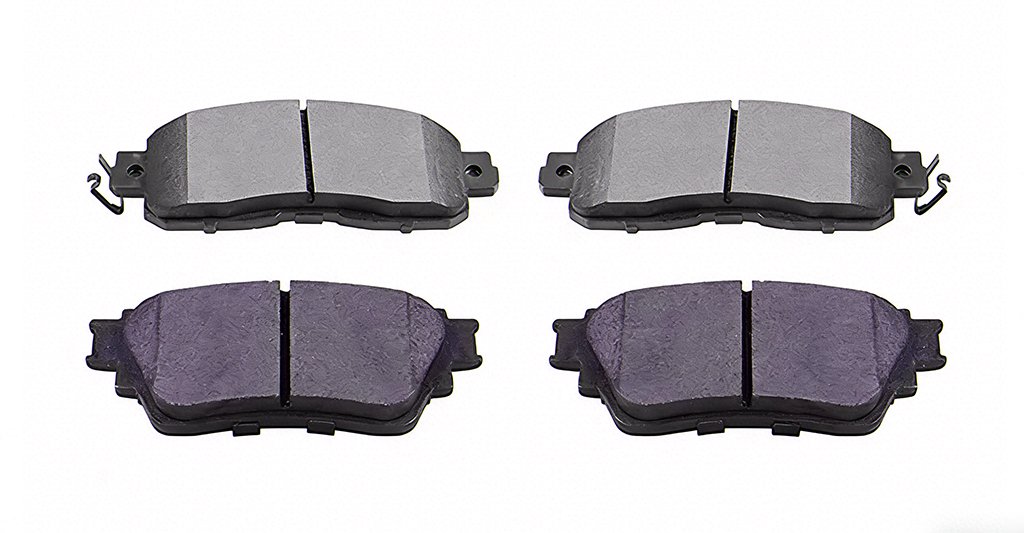
Ceramic brake pads are widely regarded as the top choice for brake pad noise reduction. Their dense composition — built from fine ceramic fibers and bonding agents — naturally dampens vibrations that cause squealing. Brands like Akebono and Bosch have built entire product lines around this principle, giving everyday drivers a reliable path to low-noise brake pads.
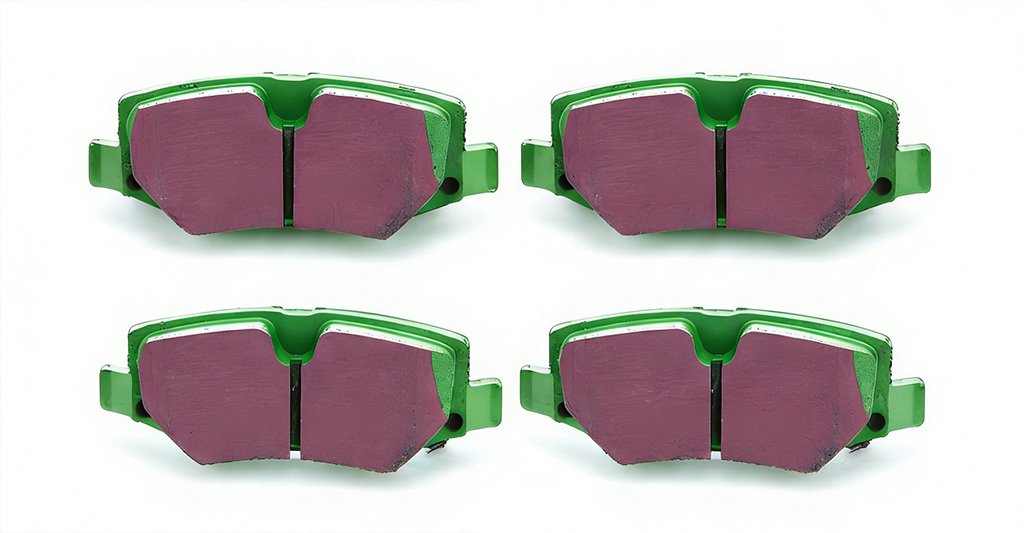
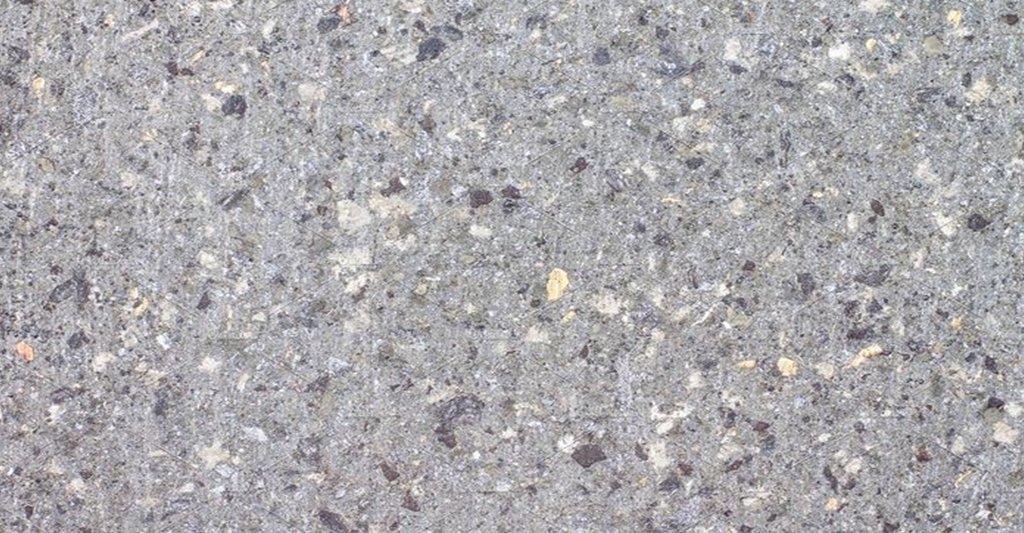
raw materials for organic brake pads
Organic brake pads offer another route to quieter stops. Made from resin, rubber, and natural fibers, they absorb vibrations well and suit lighter vehicles used for daily commuting. They won’t match ceramics in longevity or dust control, but they’re a solid budget-friendly option for silent braking on city streets.
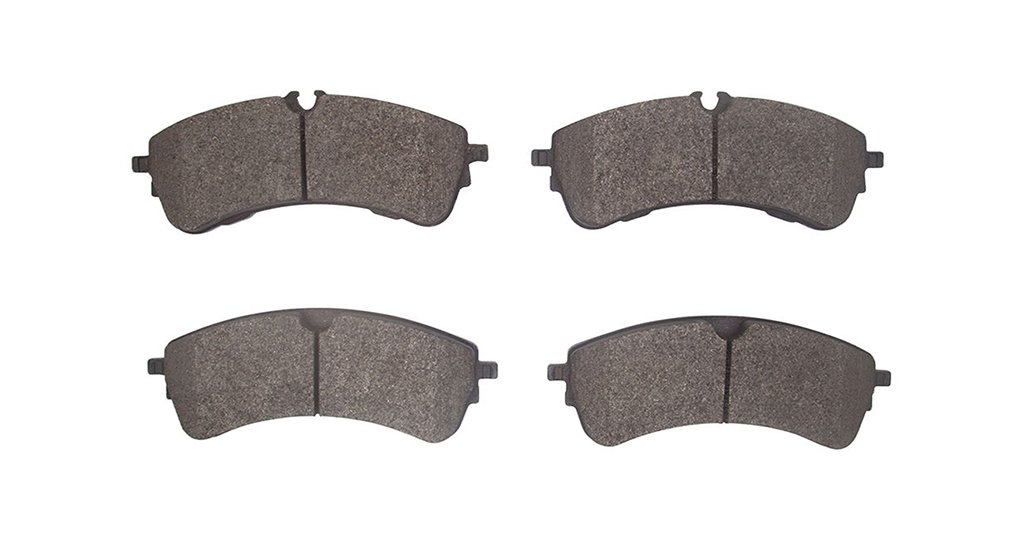
Semi-metallic pads — packed with steel, iron, and copper — sit on the opposite end of the noise spectrum. They excel at heat dissipation and raw stopping power, making them a favorite for towing and performance driving. The trade-off is a noticeably louder braking experience that many daily drivers find hard to live with.
In this guide, we’ll walk you through each pad type in detail so you can choose the best low-noise brake pads for your vehicle, driving style, and budget.
Understanding Brake Pad Noise and Why It Matters
That annoying squeal every time you press the brake pedal is more than just a minor inconvenience. Brake noise signals something about the condition and composition of your braking system — and it deserves your attention. Whether you drive a luxury sedan like an Audi A6 or a daily commuter, understanding brake noise causes helps you make smarter decisions about your pads.
Common Causes of Brake Noise
Brake pad vibration is one of the primary reasons you hear squealing, grinding, or squeaking sounds. This vibration occurs when the pad material contacts the rotor at high frequency. The specific brake noise causes include:
- Metallic fibers in semi-metallic pads rubbing against the rotor surface
- Worn pads exposing the metal backing plate
- Glazed rotors from excessive heat buildup
- Improper installation leaving gaps between the caliper and pad
- Moisture or debris trapped between the pad and rotor
To better understand the process, please watch the video below.
Impact on Driving Experience and Vehicle Performance
Persistent brake noise directly affects your driving comfort. It disrupts conversations, raises anxiety levels, and makes scenic drives far less enjoyable. For owners of premium vehicles like Volkswagen or BMW models, quiet braking is a top priority.
Noisy pads can signal declining brake performance. When pads vibrate excessively, they may not grip the rotor evenly — leading to longer stopping distances and uneven wear patterns.
Safety Considerations for Noisy Brakes
Ignoring brake noise puts your vehicle safety at risk. Consistent squealing or grinding often means your pads are near the end of their lifespan. Routine brake system maintenance — including inspections every 12,000 to 15,000 miles — catches these warning signs early.
| Warning Sound | Likely Cause | Urgency Level |
|---|---|---|
| High-pitched squeal | Wear indicator contact | Moderate — schedule service soon |
| Grinding noise | Metal-on-metal contact | High — replace pads immediately |
| Intermittent squeak | Moisture or light debris | Low — monitor over time |
Knowing what these sounds mean sets the stage for choosing quieter brake pad materials — which we explore in the next section.
What are the quietest types of brake pads?
When you start a brake pad materials comparison, noise is often the deciding factor. Not all pads are created equal — and the material inside each pad directly shapes how much sound you hear at every stop. Let’s break down the quiet braking solutions available to you right now.
Ceramic Brake Pads for Silent Operation
Ceramic pads are built from dense ceramic compounds fused with copper fibers. This combination absorbs vibrations that would normally reach your ears as squealing or grinding. Brands like Akebono Euro Ultra-Premium and Hawk Performance Ceramic are engineered specifically to minimize braking noise. BOSCH QuietCast Premium Ceramic and Bendix Premium ceramic lines deliver proven quiet results as well. These pads produce very little dust and resist brake fade under normal driving conditions.
Organic Brake Pads as a Quiet Alternative
Organic pads — made from resin bonded with glass, rubber, and Kevlar fibers — offer a cost-effective path to quieter stops. They are softer than ceramic or metallic options, which means less vibration transfer to the rotor. For daily commuting and light-duty driving, organic pads keep cabin noise impressively low. The trade-off is faster wear and reduced performance under heavy braking or high heat.
Comparing Noise Levels Across Different Materials
Understanding noise level differences between pad types helps you choose with confidence. Here’s a quick brake pad materials comparison:
| Pad Type | Noise Level | Dust Output | Durability | Cost Range |
|---|---|---|---|---|
| Ceramic | Very Low | Minimal | High | $30–$80 per set |
| Organic | Low | Moderate | Moderate | $15–$40 per set |
| Semi-Metallic | Moderate to High | High | Very High | $25–$60 per set |
In the debate of ceramic vs organic brake pads, ceramic consistently ranks as the quietest option. Organic pads come in a close second. Semi-metallic pads — packed with iron, copper, and steel — excel in durability and heat resistance, but they generate noticeably more noise. Your ideal choice depends on balancing quiet braking solutions with your driving demands and budget.
Ceramic Brake Pads: The Gold Standard for Quiet Braking
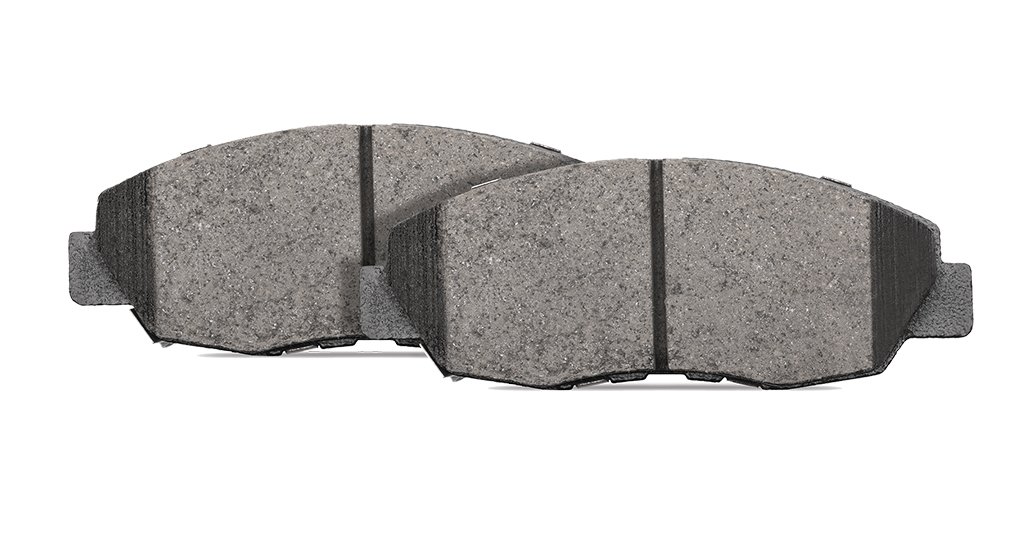
When you want the quietest braking experience possible, ceramic pads stand apart from the competition. These premium brake pads combine advanced materials and engineering to deliver near-silent stops — all while protecting your rotors and keeping your wheels clean.
Dense Ceramic Material Composition and Copper Fibers
The ceramic brake pad composition relies on a dense blend of ceramic compounds bonded with embedded metal fibers. Copper fiber technology plays a key role here. Fine copper strands are woven into the pad structure to improve heat transfer and reduce vibration. This design absorbs the frequencies that cause squealing, giving you a whisper-quiet ride.
Brands like BOSCH integrate Molded Shim Technology with OE-style multilayer rubber core shims in their QuietCast BC1363 pads. PowerStop’s Z26 line uses carbon-fiber ceramic formulas for faster break-in periods and immediate quiet performance.
Benefits Beyond Quiet Operation
Ceramic pads offer much more than silence. Brake dust reduction is one of the most noticeable perks — you’ll see far less dark residue on your wheels compared to semi-metallic options. Rotor protection is another major advantage, as the softer ceramic compound causes less abrasive wear on disc surfaces.
- Extended pad and rotor lifespan
- Reduced brake fade under sustained heat
- Consistent stopping power in varied weather conditions
- Cleaner wheels with minimal dust buildup

Ideal Applications for Ceramic Pads
Ceramic pads work best for daily commuters, luxury vehicles, and drivers who prioritize comfort. They excel in moderate driving conditions where extreme track-level heat isn’t a concern.
| Application | Recommended Ceramic Pad | Key Feature |
|---|---|---|
| Daily commuting | BOSCH BC1363 QuietCast | Multilayer rubber shim for noise reduction |
| Performance street driving | PowerStop Z26 Carbon-Fiber Ceramic | Fast break-in with low dust output |
| Luxury and touring vehicles | Akebono ProACT Ultra-Premium | OE-level rotor protection and quiet operation |
Semi-Metallic vs. Ceramic: Understanding the Noise Difference
When you dive into the metallic vs ceramic comparison, noise is one of the biggest differentiators. Semi-metallic brake pads use a blend of steel, iron, copper, brass, and bronze — mixed with synthetic resins, graphite, and Kevlar fibers. This metal-heavy composition delivers outstanding stopping power and heat dissipation. The trade-off? They’re noticeably louder during braking.
The reason comes down to vibration. Metallic fibers inside semi-metallic brake pads create micro-vibrations when they press against the rotor. These vibrations translate into audible squealing or grinding sounds. Ceramic pads feature a much denser material structure that absorbs those vibrations before they become noise. This is why brake pad noise levels differ so drastically between the two types.
That said, semi-metallic pads shine in demanding situations. Towing, hauling, and high-performance driving all benefit from their superior heat dissipation — they handle extreme temperatures without fading. Ceramic pads cost more upfront but deliver whisper-quiet operation perfect for daily commuting and city driving.
Here’s a side-by-side breakdown to help you decide:
| Feature | Semi-Metallic Pads | Ceramic Pads |
|---|---|---|
| Noise Level | Moderate to High | Very Low |
| Stopping Power | Excellent | Good |
| Heat Dissipation | Superior | Good |
| Brake Dust Production | High | Low |
| Average Price Range | $30–$60 per set | $50–$100 per set |
| Best Use Case | Trucks, SUVs, Performance Cars | Sedans, Daily Commuters |
| Rotor Wear | Higher | Lower |
Your choice depends on driving conditions and priorities. If quiet, clean braking matters most to you, ceramic is the clear winner. If you need raw performance under heavy loads, semi-metallic pads remain the go-to option.
Organic Brake Pads and Their Quiet Performance
If you’re looking for a budget-friendly way to reduce brake noise, organic brake pads deserve your attention. These pads are made without metallic content — which means they produce far less noise during stopping. For standard commuter vehicles, they offer a smooth and quiet braking experience that many drivers prefer.
Resin and Fiber Construction
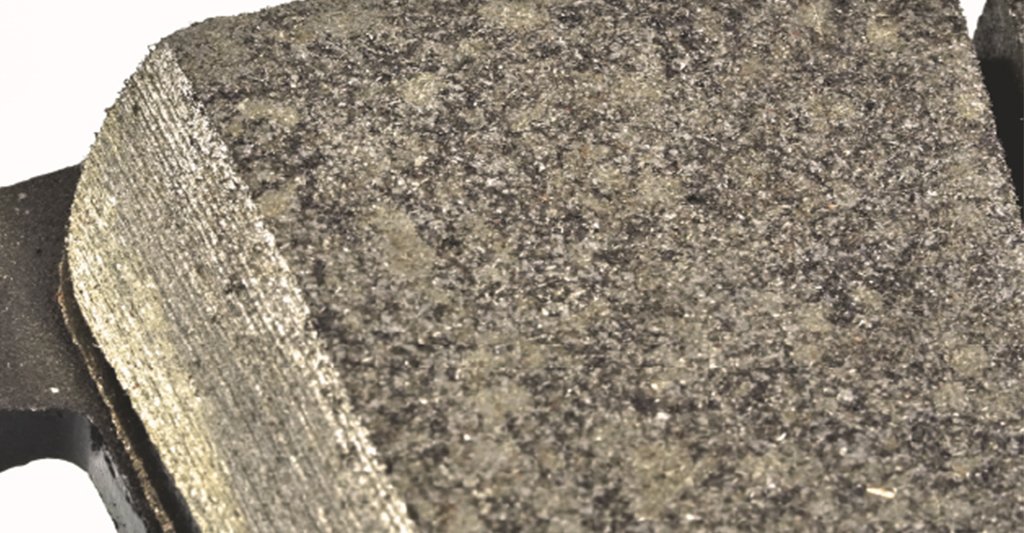
Organic brake pads rely on a unique resin and fiber construction. Resin brake pads use a binding agent that holds together materials like glass, rubber, carbon, and Kevlar fibers. This fiber construction creates a softer compound that grips the rotor gently. The result is minimal vibration and near-silent operation during everyday stops. Because these pads contain no steel or iron shavings, they support eco-friendly braking by producing less harmful dust.
Advantages and Limitations for Daily Driving
Organic pads come with clear benefits — and a few trade-offs you should understand before buying. Here’s a quick breakdown:
| Feature | Organic Brake Pads | Ceramic Brake Pads |
|---|---|---|
| Noise Level | Very Low | Lowest |
| Initial Cost | $20–$40 per set | $50–$100 per set |
| Lifespan | 25,000–40,000 miles | 40,000–70,000 miles |
| Heat Tolerance | Moderate | High |
| Eco-Friendly Dust | Yes | Yes |
As reliable daily driving brake pads, organic options work well for city commutes and light highway travel. They’re gentle on rotors, which can save you money on long-term maintenance. Eco-friendly braking is a genuine advantage — the dust produced is cleaner and less corrosive than what metallic pads generate.
On the downside, resin brake pads wear faster than ceramic alternatives. They’re not ideal for heavy-duty use, towing, or spirited mountain driving. If your vehicle faces extreme heat or frequent hard stops, you may want to consider ceramic pads instead.
Installation and Maintenance Tips for Quieter Braking
Choosing the right brake pad material is only half the battle. Proper brake pad installation and ongoing brake maintenance play a critical role in noise prevention. Even the quietest ceramic pads can squeal if they’re fitted incorrectly or neglected over time.
Professional Installation for Optimal Performance
A professional brake service ensures your pads are aligned and seated correctly from the start. Misaligned pads create uneven contact with the rotor — a leading cause of squealing and premature wear. Certified technicians apply brake grease to contact points, install premium stainless-steel shims for heat dissipation, and use powder-coated backing plates that resist corrosion for extended durability.
Regular Maintenance to Reduce Noise
Routine brake maintenance keeps your system performing at its best. You should follow a simple schedule to prevent noise from developing:
- Clean brake components every 12,000–15,000 miles to remove dust buildup
- Inspect pads for uneven wear during each tire rotation
- Check rotors for scoring or warping that amplifies noise
- Reapply anti-squeal compound to shim contact areas as needed
When to Replace Brake Pads for Quiet Operation
Timely brake pad replacement is essential for noise prevention and safety. The table below outlines common warning signs and recommended actions:
| Warning Sign | Likely Cause | Recommended Action |
|---|---|---|
| High-pitched squealing | Wear indicator contacting rotor | Schedule brake pad replacement immediately |
| Grinding or scraping sound | Pad material worn to backing plate | Seek professional brake service right away |
| Pad thickness below 3mm | Normal wear over time | Replace pads within 1,000 miles |
| Vibration during braking | Uneven pad wear or warped rotor | Inspect and replace pads and rotors if needed |
Addressing these signs early protects your rotors and keeps your braking system quiet and reliable for every drive.
Conclusion
Choosing the best quiet brake pads comes down to understanding your driving needs and budget. Ceramic brake pads stand out as the top pick for noise-free braking solutions — they run quietly, produce less dust, and last longer than most alternatives.
Organic pads can serve as a cost-effective quiet option for lighter driving demands. Yet the ceramic brake pad benefits — durability, cleaner wheels, and consistent stopping power — make them the stronger long-term investment. This brake pad selection guide should help you weigh those trade-offs with confidence.