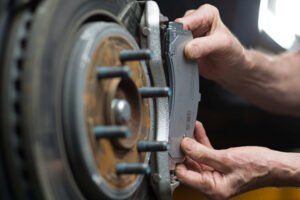

Every time a loaded truck hits the brakes at highway speed, the friction material between the caliper and rotor is the only thing standing between a safe stop and a disaster. ECE R90 certification exists to make sure that thin layer of material actually does its job — especially when it’s a replacement part, not the original.
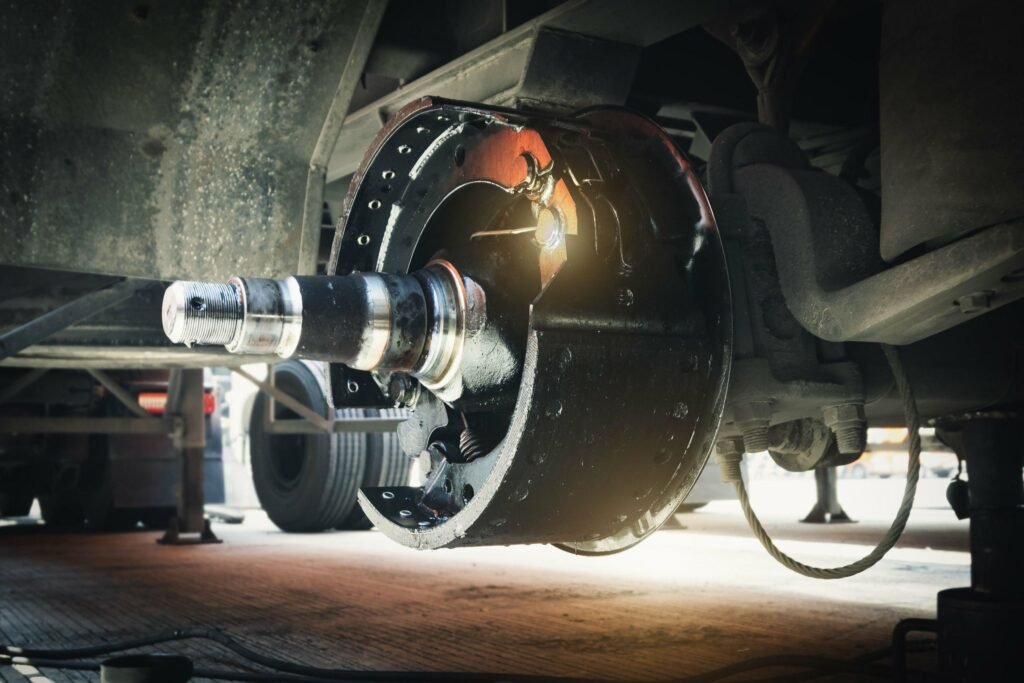
This UN ECE regulation sets strict performance benchmarks for aftermarket brake components used on commercial vehicles. It requires that replacement brake pads, rotors, and drums perform within tight tolerances compared to the original equipment. In simple terms, the standard ensures a replacement part works just as well as what came from the factory.
Without a regulation like ECE R90, the aftermarket brake market would be a guessing game. Cheap, untested pads could end up on a 40-ton truck hauling freight through mountain passes. That’s exactly the kind of risk this certification was designed to eliminate.
Understanding ECE R90 Regulation and Its Purpose
ECE R90 is a safety standard created by the Economic Commission for Europe — a United Nations body. It sets clear rules for replacement brake friction materials, rotors, and drums used on commercial and passenger vehicles.
The UN ECE-R90 Definition and Scope
The UN ECE-R90 definition covers any aftermarket brake component designed to replace original equipment parts. This includes brake pads, linings, discs, and drums. The regulation ensures these replacement parts meet the same safety benchmarks as factory-installed components. It applies across multiple vehicle categories — from passenger cars to heavy-duty trucks and trailers.
Replacement Parts Tolerance Requirements
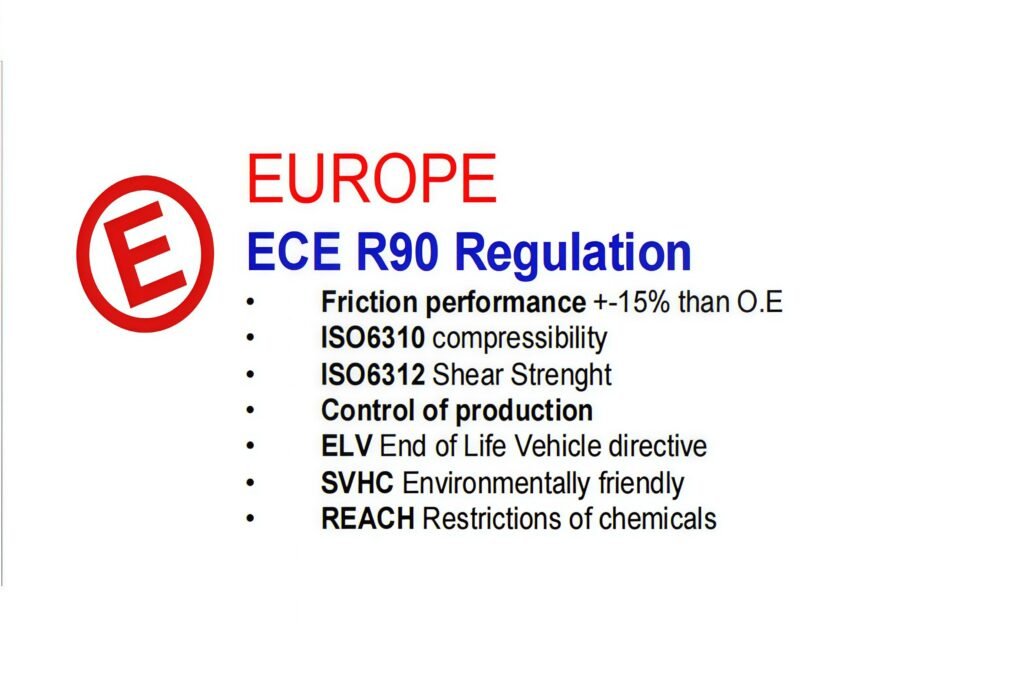
Under these brake component regulations, aftermarket parts must perform within strict limits compared to genuine OEM pieces. The key benchmark is a 15% tolerance window. This means replacement brake pads cannot deviate more than 15% from the braking performance of original equipment. OEM tolerance specifications cover friction behavior, fade resistance, and stopping distance. If a part falls outside this range, it cannot carry ECE R90 approval.
- Friction performance must stay within 15% of OEM values
- Fade resistance is tested under repeated high-temperature braking cycles
- Stopping distances must align with original equipment benchmarks
Countries Adopting ECE R90 Standards
While the regulation originated in Europe, its reach extends far beyond EU borders. International brake standards under ECE R90 are now enforced in countries like Egypt, Malaysia, the United Arab Emirates, South Africa, and New Zealand. This growing adoption reflects a global push for consistent brake safety — something you should keep in mind when managing fleets that operate across multiple markets.
Why ECE R90 Standards Are Critical for Commercial Fleet Safety
ECE R90 exists to guarantee that aftermarket brake pads and discs perform at the same level as original equipment. This standard serves as a safety net for fleet operators who need reliable, certified components — without guessing about quality.
Safety Implications for Commercial Vehicles
A fully loaded commercial truck can weigh up to 80,000 pounds. At that weight, commercial brake performance is not just a preference — it’s a life-or-death matter. ECE R90 certification ensures that replacement brake components fall within strict tolerance ranges compared to the original parts. This means you get predictable stopping power every single time, regardless of the brand you choose.
Fleet safety compliance depends on using parts that meet verified performance benchmarks. Without ECE R90, fleet managers would rely on manufacturer claims alone — with no independent testing to back them up.
Performance Consistency with OEM Standards
One of the biggest advantages of ECE R90 is its direct link to OEM brake standards. The regulation requires aftermarket parts to perform within a defined percentage of the original equipment. This gives you the ability to:
- Compare brake products across different brands with confidence
- Expect consistent fade resistance and stopping distances
- Maintain uniform commercial brake performance across your entire fleet
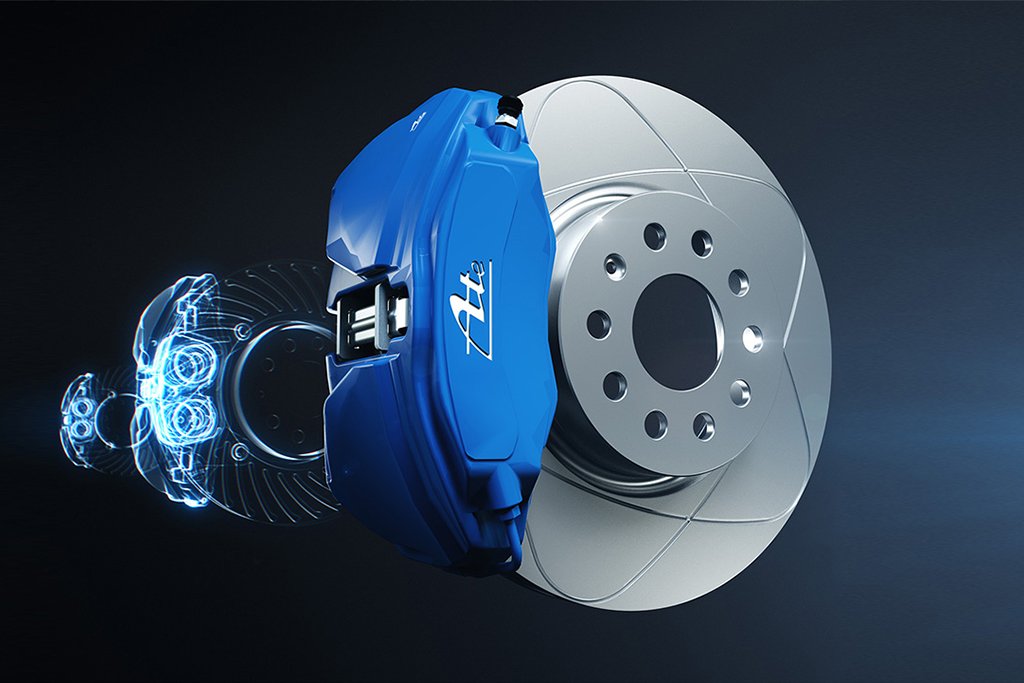
Companies like Continental have embraced this approach. By November 2016, roughly 90% of their ATE brake discs carried ECE R90 approval marks — setting an industry benchmark.
Legal Requirements for Fleet Operators
Truck brake regulations in many markets now mandate ECE R90 certification for replacement parts. The standard eliminated the need for General Operating Permits that were once required for aftermarket components. This simplified the compliance process for fleet operators.
For your fleet, staying aligned with fleet safety compliance requirements means selecting only ECE R90-certified parts. Doing so protects you from legal liability and keeps your vehicles road-ready during inspections. As we explore in the next section, the timeline for these requirements has evolved — and understanding it helps you stay ahead.
ECE R90 Implementation Timeline for Commercial Vehicles
Understanding the ECE R90 timeline is essential if you manage or maintain a commercial fleet. The regulation didn’t take effect all at once. Instead, the UNECE rolled out requirements in phases — based on vehicle type and component category. Knowing the key brake certification dates helps you stay ahead of enforcement and avoid costly penalties.

For heavy-duty trucks (N2, N3) and buses (M2, M3), the regulation effective dates break down as follows:
- September 1, 1999 — Friction materials (brake pads and linings) required ECE R90 approval for replacement use.
- November 1, 2014 — Brake rotors (discs) became subject to mandatory certification.
- November 1, 2016 — Brake drums entered the scope of required compliance.
Trailers in the O3 and O4 categories follow a parallel schedule. Rotor certification became mandatory on November 1, 2014, matching the commercial vehicle compliance deadlines for trucks and buses.
There is one notable exception. Vehicles that received whole vehicle type approval before these brake certification dates may not be required to carry ECE R90-certified replacement parts. That said, many fleet operators still choose to source certified components — it’s a straightforward way to ensure consistent braking performance and meet quality benchmarks.
The UNECE continues to update the regulation to keep pace with new materials and braking technologies. Staying current with these commercial vehicle compliance deadlines protects your fleet from legal exposure. It gives your drivers — and everyone sharing the road — a measurable safety advantage. Before purchasing replacement brake parts, always verify they meet the most recent regulation effective dates for your specific vehicle class.
Testing Requirements and Certification Process
Before any replacement brake pad reaches a commercial truck, it must pass a rigorous series of evaluations. These brake pad testing procedures simulate real-world conditions — from gentle city stops to full emergency braking. Each test ensures the part performs within the tight tolerances ECE R90 demands.
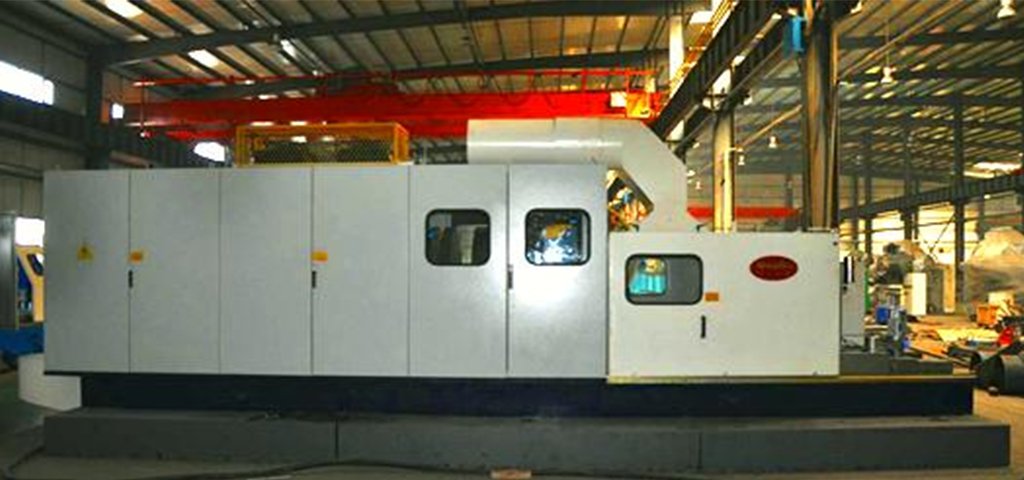
Tuoba JF123D Commercial Vehicle Brake Inertia Dynamometer
Dynamometer Testing Procedures
Dynamometer certification sits at the core of ECE R90 approval. A dynamometer — essentially a machine that replicates on-road braking forces — subjects each brake pad to hundreds of stops under controlled conditions. The test measures braking effectiveness when the pad is cold, hot, and after repeated high-energy applications. This gives engineers a complete picture of how the pad behaves across its full operating range.
Performance and Fade Resistance Standards
Fade resistance testing pushes brake pads to their thermal limits. During these evaluations, pads undergo successive high-speed stops that generate extreme heat. The goal is simple: confirm that braking power stays consistent even under punishing conditions. ECE R90 requires replacement pads to perform within a defined percentage of the original equipment part — typically ±15% for trucks and buses.
Material Integrity and Shear Strength Tests
Shear strength requirements verify how securely the friction material bonds to the backing plate. Testing measures the exact force needed to separate these two layers. Companies like NRS Brakes use mechanical attachment technology that often exceeds the shear strength requirements set by adhesive-only bonding methods. Key material tests include:
- Shear force separation testing at ambient and elevated temperatures
- Compressibility assessments to ensure proper pedal feel
- Thermal stability evaluations under sustained heat exposure
Speed and Pressure Sensitivity Evaluations
These tests confirm predictable braking across a wide range of vehicle speeds and pedal pressures. A pad that performs well at highway speed but poorly at low speed would fail this evaluation. Sensitivity testing ensures drivers experience consistent, reliable stopping power in every scenario they encounter on the road.
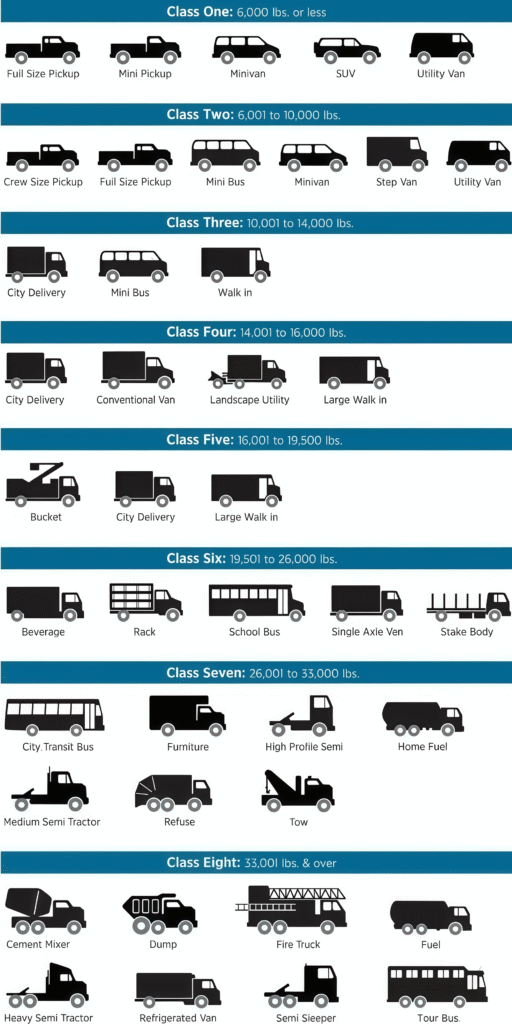
Vehicle Classifications Under ECE R90
The truck classification ECE R90 system organizes commercial vehicles into distinct categories. Each category carries its own compliance timeline and testing annexes. Understanding where your vehicles fall is essential for meeting regulatory standards.
Heavy-Duty Truck Categories (N2, N3)
N2 N3 vehicles represent the backbone of commercial trucking. The N2 class covers trucks with a gross weight between 3.5 and 12 metric tons. The N3 class includes all trucks exceeding 12 metric tons. Key compliance dates for these categories include:
- Friction materials — regulated since September 1999 under Annexes 3 and 4
- Brake rotors — mandatory compliance since November 2014
- Brake drums — required since November 2016
If you operate N2 N3 vehicles in any country that adopted these UN standards, every replacement brake component must carry proper ECE R90 approval.
Bus Categories (M2, M3)
M2 M3 buses follow the same implementation schedule as heavy-duty trucks. M2 covers passenger vehicles with more than eight seats and a gross weight up to 5 metric tons. M3 includes buses exceeding that weight threshold. Given the passenger safety stakes, certified brake pads on M2 M3 buses are not optional — they’re a legal necessity in adopting nations.
Trailer Compliance (O3, O4)
Trailer brake requirements fall under separate testing annexes. O3 trailers weigh between 3.5 and 10 metric tons, while O4 trailers exceed 10 metric tons. Friction materials must meet Annex 6 standards. Rotors and drums are governed by Annex 12, with rotors mandatory since November 2014 and drums since November 2016.
Meeting trailer brake requirements is just as critical as truck and bus compliance. A trailer with substandard brakes puts the entire rig — and everyone on the road — at risk.
Benefits of ECE R90 Certified Brake Pads for Truck Fleets
Choosing ECE R90 certified brake pads gives your fleet a clear edge in performance, compliance, and cost control. The certified brake pad benefits extend far beyond a simple stamp of approval — they represent a measurable guarantee that every pad meets strict OE-level benchmarks.
When you invest in ECE R90 products, you eliminate the guesswork that often comes with aftermarket components. The OE-quality assurance built into the standard means each pad must perform within tight tolerances of the original equipment. This gives fleet managers a reliable baseline for comparing products across different manufacturers.
Key fleet maintenance advantages include:
- Corrosion-resistant construction — many certified pads feature galvanized steel backing plates that extend service life.
- Simplified compliance documentation — as Continental has noted, ECE-approved products can supersede General Operating Permits, reducing paperwork burdens for drivers.
- Consistent stopping performance across varying loads and conditions.
- Lower long-term maintenance costs through predictable wear patterns and fewer unscheduled replacements.
Commercial vehicle safety depends on every braking component working as designed. ECE R90 certification removes uncertainty by requiring pads to pass rigorous dynamometer and material integrity tests before reaching the market. For fleet operators running Class 7 and Class 8 trucks, this translates to fewer roadside inspection issues and reduced liability exposure.
The standard creates a level playing field. You can compare certified products with confidence, knowing each one meets the same demanding criteria. This makes purchasing decisions faster and more data-driven — a real advantage when you’re managing dozens or hundreds of vehicles across multiple routes.
How to Identify ECE R90 Approved Brake Components
Knowing a brake pad meets ECE R90 standards is one thing. Spotting that proof on the part itself is another. ECE approval markings, brake pad edge codes, and proper compliance documentation all play a role in keeping your fleet road-legal and safe. Let’s break down exactly what to look for.
Reading Approval Markings and Codes
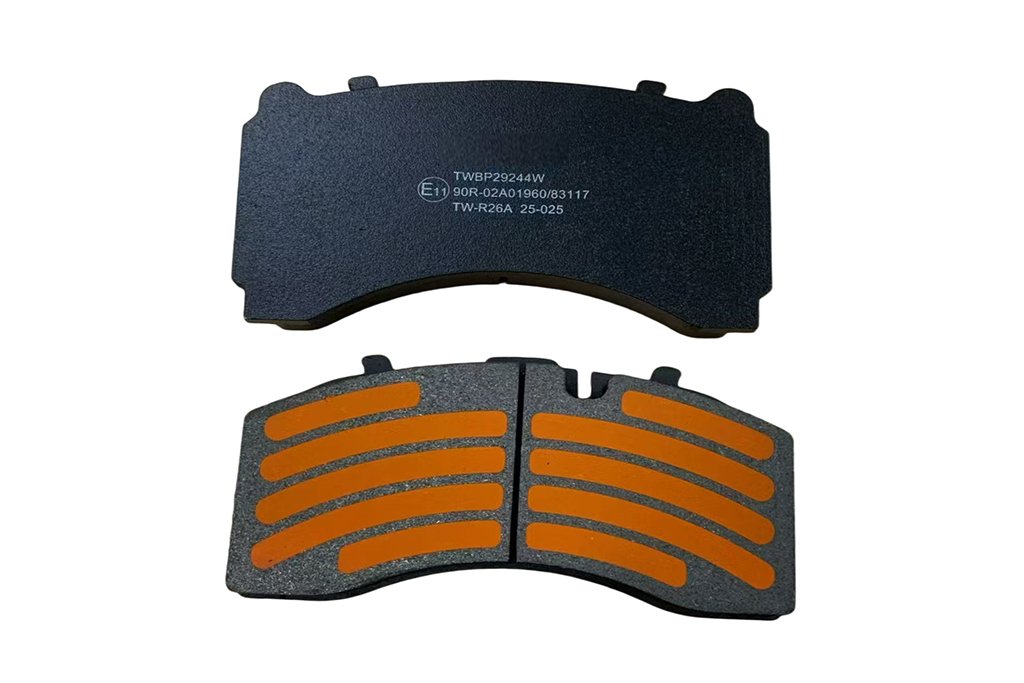
ECE approval markings appear as alphanumeric strings stamped or printed on the brake pad edge. These cryptic codes serve as official safety certification seals. Under the SAE J2975 standard, brake pad edge codes contain specific data points:
- Manufacturer identification number
- Friction formula specification
- Friction coefficient ratings — letter pairs like FF or GG that indicate cold and hot performance
- The “E” circle mark followed by a country code number
Each element in these codes tells you something about the pad’s tested performance. A pair of letters — such as GG — means the pad maintains consistent friction in both cold and heated conditions.

Verification Methods for Fleet Managers
Certification verification doesn’t stop at reading a stamp. You should cross-reference brake pad edge codes with manufacturer online catalogs or consult your workshop partners before making bulk purchases. Many suppliers like Knorr-Bremse and Meritor provide searchable databases where you can confirm a part’s ECE R90 status using its approval number.
Documentation Requirements for Compliance
One practical benefit of ECE R90 certification — the approval mark on the component itself eliminates the need for drivers to carry copies of a General Operating Permit. This streamlines compliance documentation for your fleet. Traceability is built into the system through manufacturer codes and friction material registration records. Keep digital copies of purchase orders tied to certified part numbers. This gives you a clear audit trail during inspections.
Conclusion
ECE R90 stands as a critical framework in truck brake safety standards — one that ensures every aftermarket brake pad and lining performs within a strict 15% tolerance of the original equipment. This ECE R90 compliance summary highlights how the regulation protects fleets by demanding consistent stopping power across a wide range of real-world conditions.
Staying informed about these standards helps you make smarter purchasing decisions and protect your drivers on the road. Whether you manage five trucks or five hundred, prioritizing ECE R90-certified components is one of the most practical steps you can take toward safer, more reliable fleet operations.