When you need to replace your vehicle’s most critical safety component, you face a choice that directly impacts stopping power, maintenance costs, and long-term value. The marketplace offers countless options—from mass-produced solutions to engineered alternatives tailored for specific driving conditions.
At the core of this choice is a fundamental difference in design philosophy. The key difference between custom and standard brake pads lies in application-specific performance optimization versus broad compatibility. Standard pads are designed for general driving conditions, while custom pads are engineered for specific temperature ranges, load conditions, and performance requirements.
This isn’t a simple “better versus worse” scenario. It’s an engineering decision based on your operating requirements and performance expectations.
Off-the-shelf options serve the broad needs of typical drivers through proven formulations and manufacturing economies. Specialized solutions deliver tailored friction characteristics, thermal management, and wear patterns optimized for particular applications—whether daily commuting or heavy-duty operations.
The real distinctions lie in measurable factors: friction coefficients, temperature ranges, dust generation rates, and total ownership costs. Understanding brake pad materials and friction materials allows you to translate these performance factors into practical selection criteria for different applications.
As Tuoba, a manufacturer with deep expertise in both production methodologies, Tuoba Brake Pads engineered solutions across the entire spectrum. This guide empowers you to make technically informed decisions by examining material science fundamentals, manufacturing processes, and application-specific requirements that determine which category delivers superior value for your particular needs.
Understanding Brake Pad Fundamentals
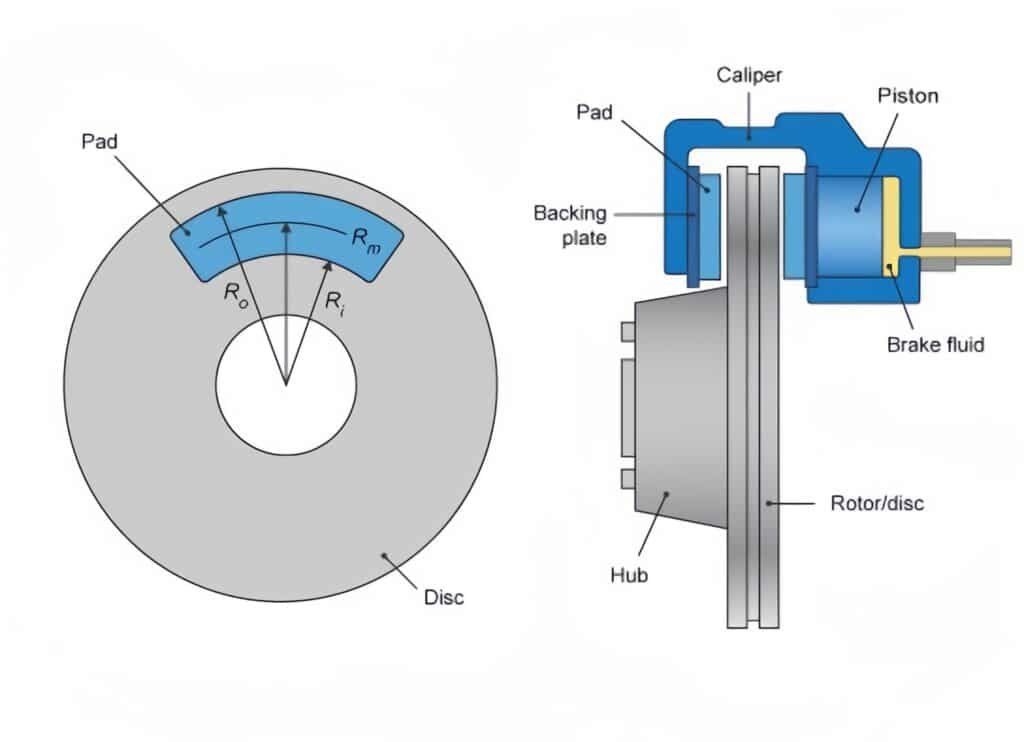
As illustrated in the diagram above, a braking system is not just a set of components—it is a coordinated mechanism where the caliper, piston, brake pads, and disc work together under applied force to generate controlled friction.
Every time you press your brake pedal, a complex interaction of physics and materials engineering springs into action. This seemingly simple action initiates a precisely calibrated process that converts your vehicle’s motion into controlled deceleration. Before you can meaningfully compare custom and standard brake pads, you need to understand the engineering principles that govern all brake pad performance.
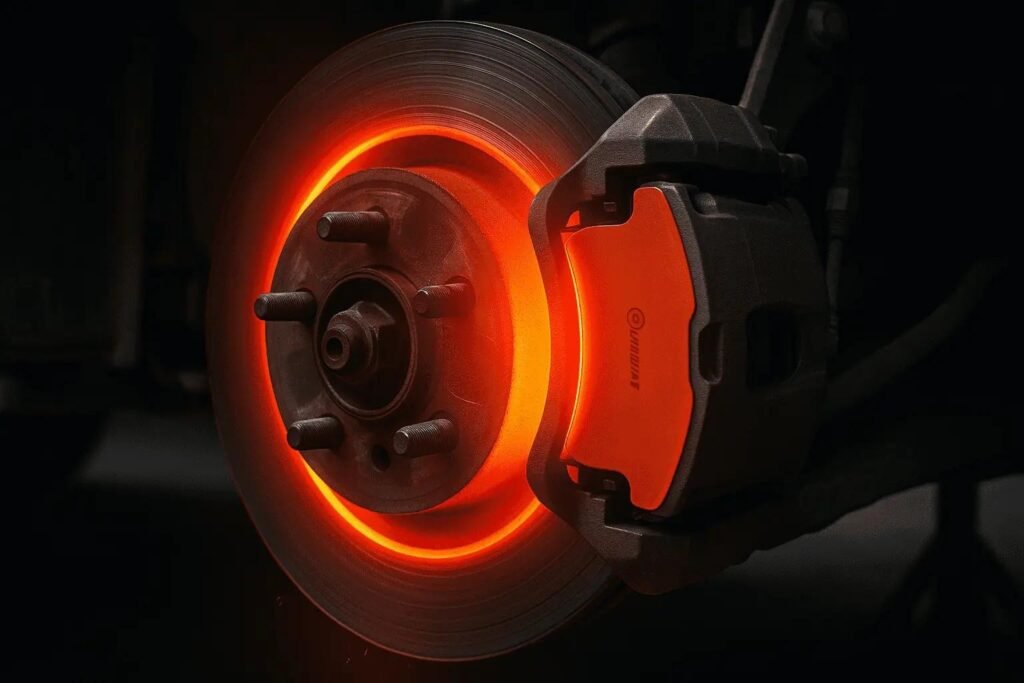
At its core, this process relies on friction generation, heat management, and material stability under repeated stress. Factors such as friction coefficient consistency, thermal resistance, and wear behavior all play a critical role in determining braking efficiency and reliability. Without a clear understanding of these fundamentals, any comparison between different brake pad types remains superficial.
At Tuoba, we recognize that informed decisions about brake systems start with solid foundational knowledge. The differences between brake pad types become meaningful only when you understand what makes all brake pads function effectively. This section provides the technical framework you’ll need to evaluate brake pad options intelligently.
The Critical Role of Brake Pads in Vehicle Safety
Brake pads represent one of the most critical safety components within your braking system because they serve as the direct interface between driver input and actual vehicle deceleration. Every time braking force is applied, brake pads must convert kinetic energy into heat through friction—repeatedly and reliably—making their performance fundamental to overall vehicle safety.

Because of this role, brake safety extends far beyond simply bringing a vehicle to a stop. Brake pads must perform consistently under a wide range of real-world conditions—from cold starts and daily commuting to sustained high-speed braking and emergency stops. This demand for consistency requires a careful balance of multiple engineering factors, including friction stability, thermal resistance, and material durability.
To meet these demands, brake pads are intentionally designed as sacrificial components within the braking system. Rather than allowing damage to occur on expensive components like rotors, brake pads are engineered to wear gradually over time. This controlled wear is not a weakness, but a deliberate safety mechanism that helps maintain stable braking performance while protecting the overall system.
This design philosophy directly ties into three key safety performance parameters. First, initial bite determines how quickly the vehicle responds when braking begins. Second, friction stability ensures consistent braking force as temperatures increase. Third, fade resistance maintains stopping power under prolonged or extreme thermal conditions. Together, these factors define how safely and predictably a vehicle can stop.
At Tuoba, we approach brake pad engineering with these safety fundamentals as non-negotiable requirements. Every formulation decision—from metallic fiber content to ceramic particle sizing—is engineered to support these core performance outcomes, ensuring reliable braking across diverse operating conditions.
Basic Brake Pad Operation and Friction Mechanics
The friction mechanics behind brake pad operation involve elegant physics applied through advanced materials science. When you apply pedal pressure, hydraulic force presses the friction material against the rotating disc. This contact generates the friction force that decelerates your vehicle through controlled energy conversion.
The friction coefficient quantifies this relationship between applied force and resulting braking force. Represented by the Greek letter μ (mu), this value typically ranges from 0.25 to 0.55 for automotive brake pads. Higher values mean more aggressive braking response, while lower values provide gentler, more progressive stopping characteristics.
Temperature dramatically influences friction mechanics in ways you need to understand. Cold brake pads behave differently than those at optimal operating temperature. As friction material heats up, its molecular structure changes, altering the friction coefficient. This relationship between temperature and performance separates adequate brake pads from exceptional ones.
| Temperature Range | Friction Coefficient (μ) | Operating Condition | Performance Characteristic |
|---|---|---|---|
| 32°F – 150°F | 0.30 – 0.38 | Cold start conditions | Progressive bite development |
| 150°F – 400°F | 0.38 – 0.45 | Normal operating range | Optimal friction stability |
| 400°F – 700°F | 0.35 – 0.42 | Spirited driving or towing | Maintained performance under stress |
| 700°F – 1000°F+ | 0.25 – 0.35 | Extreme thermal load | Fade resistance becomes critical |
The friction material itself consists of a complex matrix of components working synergistically. Metallic fibers provide structural integrity and thermal conductivity, while ceramic particles offer high-temperature stability and wear resistance. Organic binders hold the matrix together and contribute to friction characteristics, and friction modifiers fine-tune the coefficient across different temperature ranges. Together, these components determine how consistently and effectively a brake pad can generate friction under varying conditions.
Because friction generation also depends on how heat is distributed, contact surface area plays an equally important role in friction mechanics. Larger pad surface area helps spread thermal energy across more material, reducing localized hot spots. This improved heat distribution directly enhances fade resistance and pad longevity—both critical factors in maintaining long-term brake safety.
Given these interacting variables, brake pad performance cannot be optimized through a single factor alone. At Tuoba, we engineer brake pad compounds by carefully balancing these competing friction mechanics requirements. The optimal balance ultimately depends on real-world usage conditions—gentle daily commuting demands different characteristics than performance driving or heavy towing. Understanding these fundamentals explains why one-size-fits-all approaches to brake pad design have inherent limitations.
Beyond the pad itself, the rotor’s metallurgical properties further influence the overall friction equation. Different rotor materials and surface finishes interact uniquely with various pad compounds, affecting friction stability, wear patterns, and heat transfer behavior. This pad-rotor compatibility adds another critical layer to brake system engineering and directly impacts your vehicle’s overall stopping performance.
What Are Standard Brake Pads?
The majority of vehicles on American roads rely on standard brake pads—mass-produced components engineered to meet OEM specifications and applicable regulatory requirements. These off-the-shelf solutions serve as the default choice for routine brake maintenance, delivering dependable stopping power across a wide range of everyday driving conditions. They are widely available through auto parts retailers, service centers, and dealerships as the primary replacement option for most passenger vehicles.
Standard brake pads are designed to prioritize broad compatibility over specialized performance. They are manufactured to meet the baseline requirements defined by vehicle manufacturers during the original design phase, while supporting compliance with vehicle-level safety standards such as National Highway Traffic Safety Administration (FMVSS) and international replacement regulations like ECE R90. This approach ensures predictable braking characteristics that closely match the vehicle’s factory performance, without requiring modifications or adjustments to the existing brake system.
OEM Specifications and Mass Production Standards
Original Equipment Manufacturer specifications define the exact parameters that standard brake pads must satisfy to achieve certification for your vehicle. These specifications include dimensional tolerances measured in fractions of millimeters, friction characteristics across temperature ranges from freezing to several hundred degrees, and compressibility limits that ensure consistent pedal feel. You can trust that certified pads meet stringent shear strength requirements to prevent backing plate separation under extreme braking forces.
To consistently meet these precise specifications, manufacturing processes must be tightly controlled at every stage. Manufacturing standards govern the high-volume production processes that create consistent, reliable brake pads. Automated mixing equipment blends friction material compounds to precise formulations, while hydraulic pressing machines compress these materials to exact densities that determine performance characteristics. High-temperature curing cycles then permanently bond the friction material to steel backing plates.
Because even minor variations in production can affect braking performance, strict quality control protocols are essential. These protocols ensure every batch meets specifications before reaching your vehicle. Testing laboratories verify friction coefficients at multiple temperature points to confirm performance consistency. Shear testing equipment applies extreme forces to validate backing plate adhesion integrity, while precision measurement instruments check dimensional accuracy to guarantee proper caliper fitment without clearance issues.
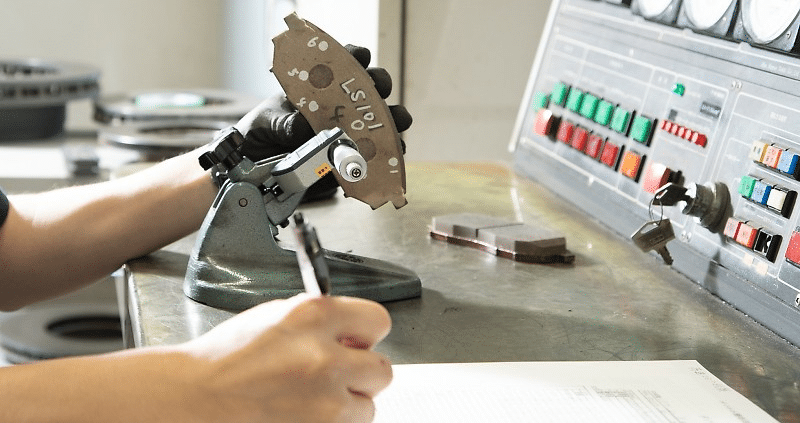
Building on these industry requirements, Tuoba further strengthens process control and verification. At Tuoba, our standard brake pad production lines incorporate these rigorous quality control measures with additional verification steps. We conduct batch testing that exceeds industry minimums, ensuring you receive components that meet or surpass original equipment specifications. This commitment to manufacturing standards provides the reliability you expect from factory-grade replacement parts.
Design Philosophy Behind Standard Brake Pads
The engineering approach for standard brake pads centers on versatility and compromise. Rather than optimizing for specific scenarios, designers create formulations that perform adequately across diverse conditions—city traffic with frequent stops, highway cruising with minimal braking, occasional spirited driving, light towing demands, and varied weather from summer heat to winter cold. This balanced approach means standard pads won’t excel in any single category but provide acceptable performance across all typical driving situations.
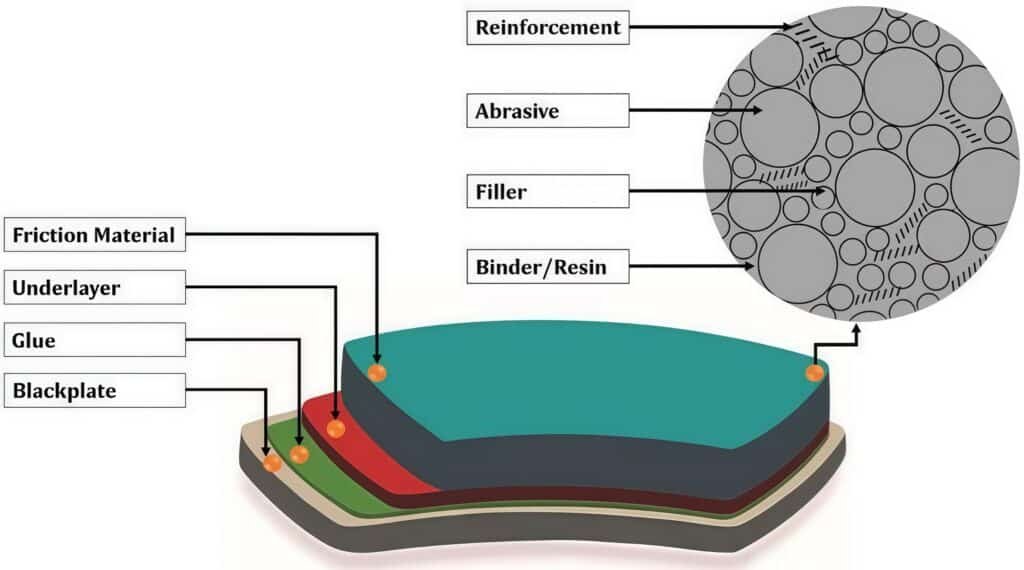
To achieve this level of versatility, material selection must reflect a balanced performance strategy. Semi-metallic compounds containing 30–65% metallic content—such as steel fibers, copper, and iron powder—form the foundation of most standard formulations. These metals provide heat dissipation and structural integrity, while friction modifiers adjust the coefficient of friction to safe, predictable levels. Lubricants help reduce noise and vibration, and organic binders hold the composite together through temperature cycling and mechanical stress.
Depending on specific comfort or performance priorities, alternative standard formulations are also used. Non-asbestos organic (NAO) compounds, as classified in Brake pad, are composed of organic and synthetic fibers and are commonly selected for applications where quiet operation is critical. These pads significantly reduce noise levels but typically deliver more moderate performance compared to semi-metallic alternatives. As a result, they are often specified for luxury sedans where cabin refinement takes precedence over aggressive braking capability.
Ultimately, these material and design choices are defined by targeted performance parameters. Standard brake pads are typically engineered to maintain stable friction coefficients between 0.35 and 0.45 across operating temperatures from ambient to 400°F. This range ensures consistent pedal response whether you’re making your first stop of the day or the fiftieth. In standard pad engineering, predictability is prioritized over peak performance—you need brakes that behave the same way every time you press the pedal.
Typical Applications and Vehicle Types
Standard brake pads serve the vast majority of everyday driving scenarios you encounter. Daily commuter vehicles traveling predictable routes benefit from the reliability and cost-effectiveness these pads deliver. Family sedans transporting passengers in typical suburban and urban environments find standard pads provide adequate stopping power with acceptable noise levels and reasonable longevity.
Standard SUVs and crossovers operating under normal service conditions represent ideal applications. These vehicles experience mixed driving—school runs, grocery trips, weekend errands—without extreme demands like track use or heavy towing. Light trucks used primarily for transportation rather than work duties similarly match the performance envelope standard pads provide.
You should consider standard brake pads when your driving patterns align with these typical use cases:
- Primarily highway and city street driving with minimal aggressive braking
- Vehicle loading within manufacturer specifications without frequent towing
- Operating in temperate climates without extreme mountain descents
- Prioritizing proven reliability over specialized performance attributes
- Maintaining factory braking characteristics without modifications
At Tuoba, we position our standard brake pad offerings as cost-effective solutions that maintain your vehicle’s original braking performance. Our formulations meet the same specifications automakers demand for new vehicle production. This means you receive factory-grade performance at replacement part pricing, backed by our commitment to material consistency and manufacturing precision.
Custom Brake Pads vs Standard Brake Pads: What’s the Real Difference?
Understanding the real difference between custom and standard brake pads requires looking beyond simple price comparisons to the underlying engineering methodology. The distinction runs deep—from initial design philosophy through material selection to final validation testing. As a result, custom solutions deliver targeted performance characteristics that standard pads simply cannot match.
Standard brake pads follow a compatibility-first approach, designed to meet baseline requirements across multiple vehicle models. By contrast, custom brake pads are engineered for application-specific performance, focusing on optimized results within defined operating conditions rather than broad adaptability.
Engineering Precision and Tailored Design
Brake pad engineering for custom applications begins with defining precise performance parameters within narrowly controlled operating conditions. You receive pads optimized for your exact requirements rather than compromised solutions adapted from mass-market formulations. This level of precision enables targeted improvements across several critical performance areas.
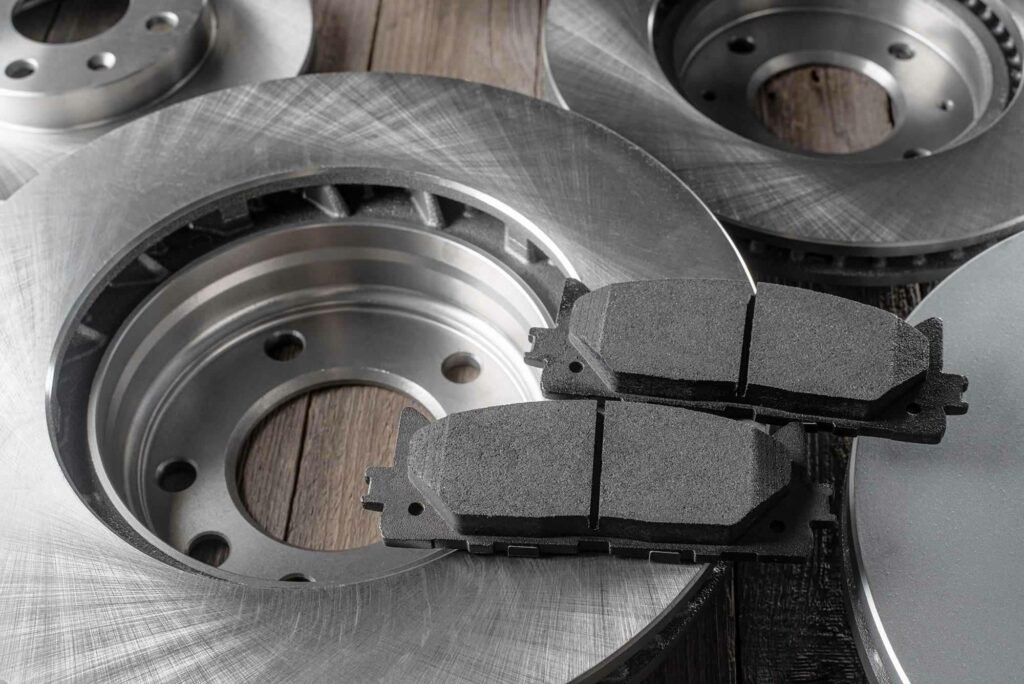
One key advantage lies in friction coefficient control across temperature ranges. Custom brake pad engineering delivers tighter control of friction curves, while standard pads maintain relatively stable friction between 200°F and 600°F to satisfy typical driving conditions. In contrast, performance-oriented custom pads extend this capability, achieving consistent friction coefficients from ambient temperatures through 1200°F or higher—essential for track use or heavy towing applications.
Beyond friction control, tailored design also enhances braking response characteristics. The bite characteristics represent another dimension where customization excels. You can specify aggressive initial bite for immediate response or progressive engagement for smoother modulation. Backing plate metallurgy can also be adjusted to match specific caliper piston configurations, ensuring optimal load distribution and minimizing distortion under extreme pressure.
In addition to response tuning, thermal management becomes a critical focus in custom formulations. While standard pads dissipate heat adequately for normal use, custom brake pad engineering allows the integration of materials that actively manage thermal transfer—protecting hydraulic fluid temperatures while maintaining pad integrity during sustained braking events.
Application-Specific Customization Options
The customization possibilities span multiple technical dimensions, each addressing specific performance objectives. You’ll find that comprehensive brake pad customization encompasses far more than simple friction material changes.
Here are the primary customization categories available:
- Friction material formulation: Adjusting metallic content ratios, ceramic particle integration, carbon fiber reinforcement, or exotic additives like molybdenum disulfide for high-temperature lubrication
- Backing plate modifications: Increased thickness for enhanced rigidity, heat-dissipating coatings, specialized attachment geometry, or multi-piece construction for thermal isolation
- Noise suppression features: Multi-layer shims with viscoelastic damping layers, precision chamfers at leading and trailing edges, directional slots for gas evacuation, or elastomeric coatings
- Surface treatments: Scorched surfaces for immediate bedding, anti-corrosion coatings for extended shelf life, or textured patterns that optimize initial contact with rotors
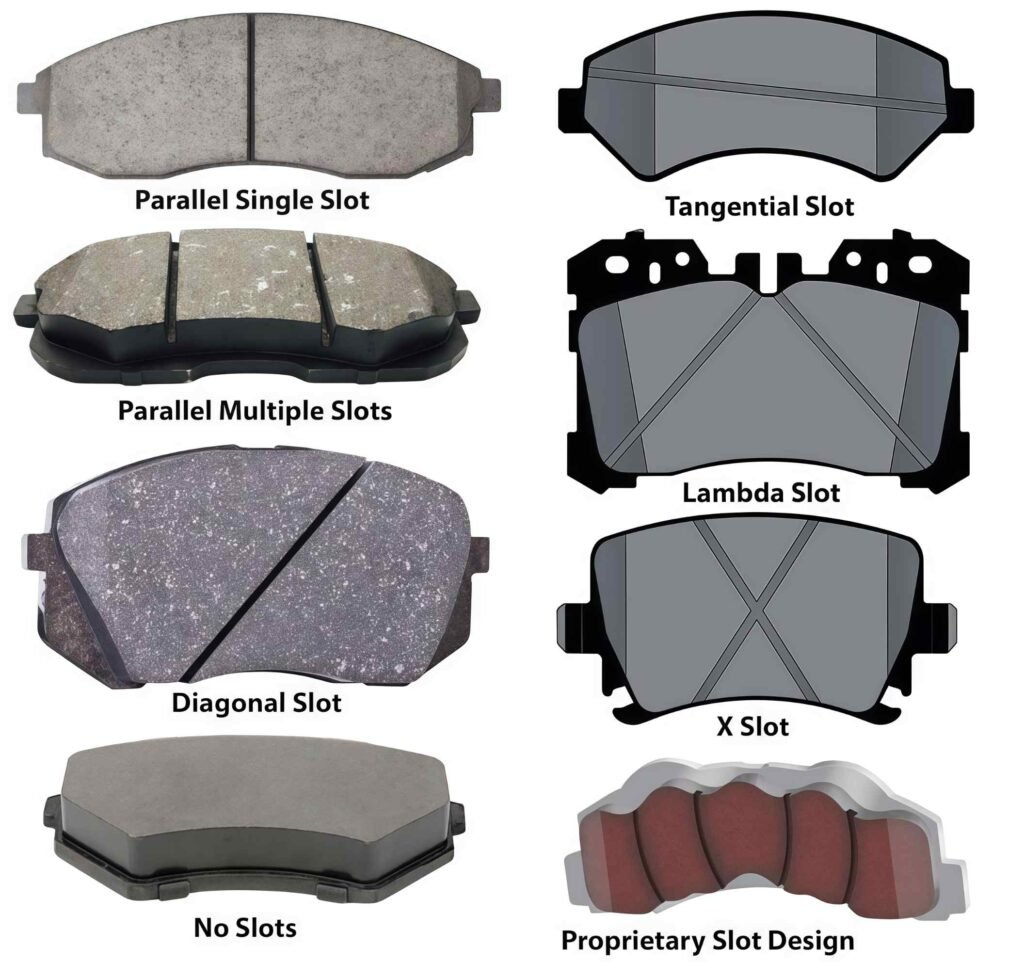
Each customization element addresses specific challenges. Motorsport applications demand friction materials that maintain consistency despite temperatures exceeding 1000°F. Heavy commercial vehicles require compounds that resist fade during prolonged descents while minimizing rotor wear, particularly in drum brake configurations where brake lining solutions support higher load capacity and sustained braking performance.
Climate considerations drive customization decisions as well. Brake pad customization for extreme cold environments incorporates materials that maintain flexibility and friction at sub-zero temperatures. Desert operation demands compounds resistant to thermal degradation and oxidation.
Performance Optimization Capabilities
Performance brake pads deliver optimization beyond the simple metric of “more stopping power.” You gain access to precisely calibrated characteristics that address your specific operational requirements. This nuanced approach recognizes that different applications prioritize different performance attributes.
Among these attributes, thermal stability becomes a primary optimization target. Custom formulations maintain consistent friction coefficients across temperature ranges specific to your duty cycle, ensuring reliable performance under sustained or high-load conditions. As a result, you avoid the performance degradation that standard pads often experience when operating outside their intended temperature envelope.
In addition to high-temperature performance, cold-start behavior is equally important. Cold-bite characteristics receive focused attention in performance brake pad design. These pads can be engineered for immediate response from cold starts—essential for emergency vehicles or performance driving where first-application effectiveness is critical. Standard pads, by contrast, typically require several applications to reach optimal operating temperature.
| Optimization Parameter | Standard Approach | Custom Capability | Application Benefit |
|---|---|---|---|
| Friction Curve Linearity | Moderate variation across temperature range | Precisely controlled coefficient progression | Predictable pedal feel and consistent modulation |
| Dust Generation | Standard ceramic formulation levels | Minimized through compound refinement | Reduced wheel maintenance and improved appearance |
| Service Life | Balanced for typical replacement intervals | Extended through harder compounds when appropriate | Lower long-term operational costs |
| Rotor Compatibility | Generic compatibility with OEM rotors | Optimized for specific rotor metallurgy and finish | Maximized system performance and component longevity |
Pedal feel optimization represents an often-overlooked capability in brake pad design. Custom formulations adjust compressibility characteristics to deliver a more linear pedal response—eliminating the “wooden” feel associated with overly aggressive compounds or the “spongy” sensation from softer materials. As a result, you experience more intuitive brake modulation that enhances overall driver confidence.
Beyond pedal feel, operational cleanliness also becomes an important consideration in premium applications. Dust generation and wheel cleanliness factor into this aspect of performance. While standard pads produce dust as a byproduct of friction material wear, performance brake pads can incorporate low-dust formulations that significantly reduce wheel contamination without sacrificing stopping performance.
How Tuoba Approaches Custom Manufacturing
At Tuoba, our custom manufacturing process begins with comprehensive application analysis. We examine your specific operational requirements: expected temperature ranges, typical duty cycles, vehicle weight and power characteristics, rotor specifications, and your performance priorities. This foundational understanding drives every subsequent engineering decision.
Our engineering team formulates compounds using proprietary friction material matrices developed through years of research. We adjust binder systems to optimize temperature resistance for your application. Specialized additives serve targeted functions—ceramic particles enhance thermal stability, aramid fibers provide structural reinforcement, and graphite improves initial bedding characteristics.
The validation phase distinguishes our brake pad engineering approach. We subject prototypes to dynamometer testing that accurately simulates your real-world operating conditions. Our testing protocols measure:
- Friction coefficients at temperature intervals throughout the expected operating range
- Wear rates under sustained use to predict service life accurately
- Thermal behavior including heat generation, transfer, and dissipation characteristics
- Noise, vibration, and harshness characteristics across various pressure and speed combinations
- Fade resistance during extreme duty cycles that exceed typical operating parameters
This systematic methodology ensures you receive brake pads engineered precisely for your application. We don’t adapt generic formulations—we develop solutions from first principles based on your documented requirements. The result is measurable performance improvements in the metrics that matter most to your specific use case.
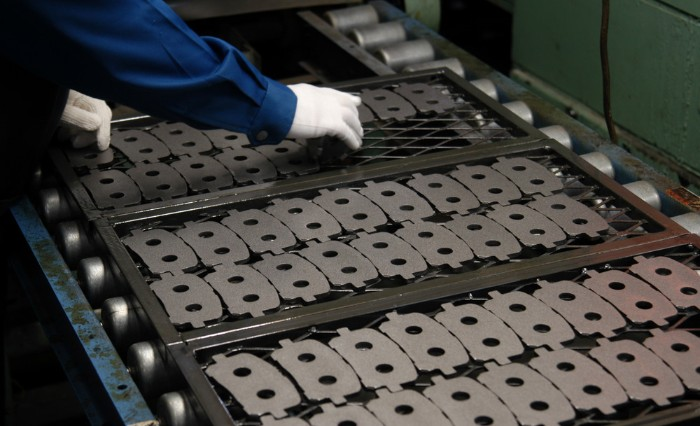
Our quality assurance extends beyond initial validation. We implement visual identifiers and batch tracking systems that enable complete traceability. You can verify that each brake pad meets the exact specifications developed during the engineering phase.
Material Composition: Breaking Down the Differences
When you compare standard and custom brake pads, the most significant difference begins with material composition. The brake pad compounds used in manufacturing determine everything from stopping power to noise levels, heat resistance to dust generation. You need to understand these material differences to make informed decisions about which brake pads suit your specific requirements.
The chemistry behind friction materials directly impacts how your brakes perform under various conditions. Standard formulations prioritize cost-effective production and broad compatibility across vehicle types. Custom compounds, by contrast, allow manufacturers like Tuoba to engineer precise performance characteristics tailored to specific applications and driving environments.
Standard Brake Pad Material Formulations
Standard brake pads typically use three main categories of friction materials, each offering distinct performance characteristics. These formulations have evolved over decades to balance manufacturing costs with acceptable performance for everyday driving.
Semi-metallic brake pads represent the most common standard formulation you’ll encounter. These compounds contain 30-65% metallic components, including steel wool, iron powder, and copper fibers. The metallic particles bond together with organic resins and friction modifiers to create a durable braking surface.
The metallic content provides excellent heat dissipation through thermal conductivity. You benefit from consistent friction across moderate temperature ranges, typically 150-400°C during normal driving conditions. However, semi-metallic formulations generate noticeable brake dust and can increase rotor wear compared to other materials.
Non-asbestos organic (NAO) formulations offer a quieter alternative to semi-metallic brake pads. These compounds use aramid fibers, rubber compounds, glass, and Kevlar bonded in resin matrices. You’ll find NAO pads operating more quietly with reduced dust generation, though they may wear faster under heavy braking.
Low-metallic NAO variants bridge the gap between pure organic and semi-metallic formulations, often discussed in comparisons of low-metallic vs semi-metallic brake pads. With 10–30% metal content, these brake pad compounds balance performance with noise characteristics. They provide better heat transfer than pure organic materials while maintaining quieter operation than full semi-metallic pads.
Standard formulations rely on phenolic resins as primary binders. These materials cure into rigid structures that hold friction particles together during braking. The limitation becomes apparent above 500°C, where phenolic resins begin degrading and contributing to brake fade in extreme conditions.
You should also know that standard compounds incorporate various friction modifiers. Graphite provides lubrication between the pad and rotor, reducing noise and smoothing the friction curve. Barite adds density for proper weight distribution, while magnesite improves binding properties and thermal stability.
Custom Brake Pad Advanced Materials
Custom brake pad formulations expand significantly beyond standard offerings, incorporating advanced friction materials engineered for specific performance requirements. These specialized compounds allow you to optimize braking characteristics for your exact application.
Ceramic brake pads utilize ceramic particles like aluminum oxide, silicon carbide, and zirconium oxide as primary friction elements. These materials maintain stable friction coefficients at elevated temperatures while generating minimal dust and operating quietly. You’ll appreciate ceramic compounds if you prioritize wheel cleanliness and refined braking feel, particularly in luxury vehicles.
The ceramic particles in these formulations resist thermal degradation far better than organic materials. You can expect consistent performance across wider temperature ranges without the fade characteristics common in standard compounds. The trade-off involves higher material costs and specialized manufacturing processes.
High-performance metallic blends increase metallic content to 65-80% for extreme applications. These formulations incorporate sintered metal particles that provide exceptional thermal stability and fade resistance above 600°C. You gain maximum stopping power and heat tolerance, though with increased rotor wear and dust generation as necessary trade-offs.
Advanced custom formulations include several specialized materials you won’t find in standard brake pads:
- Carbon-metallic compounds combining carbon fibers with metallic matrices for racing applications requiring maximum friction under extreme temperatures
- Carbon-ceramic materials offering exceptional temperature tolerance with minimal weight, ideal for high-performance vehicles where unsprung mass matters
- Specialized compounds incorporating molybdenum, titanium, or tungsten for specific friction curves and thermal properties
- Hybrid formulations blending multiple material technologies to achieve balanced performance across diverse conditions
At Tuoba, we formulate custom brake pad compounds by precisely controlling critical variables that determine performance. You benefit from our material science expertise in managing particle size distribution, which affects surface contact area and friction consistency. Metallic content ratios determine thermal conductivity and fade resistance, while binder chemistry ensures structural integrity at extreme temperatures.
Our engineering team understands how copper content affects thermal conductivity patterns throughout the pad. We know how ceramic particle geometry influences friction stability during temperature transitions. We can specify specialized binders that maintain structural integrity at temperatures exceeding 700°C during repeated performance stops.
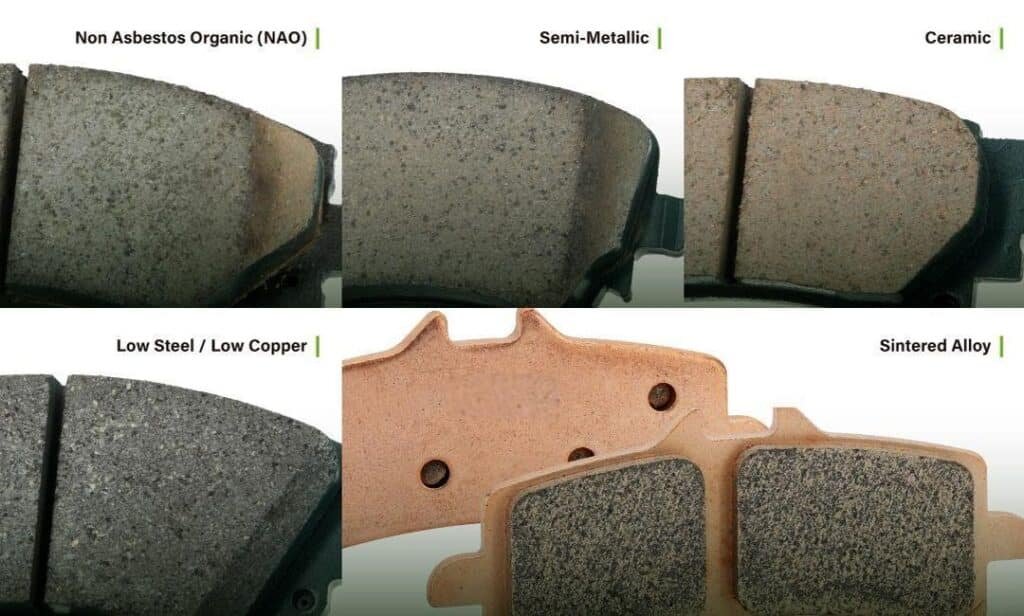
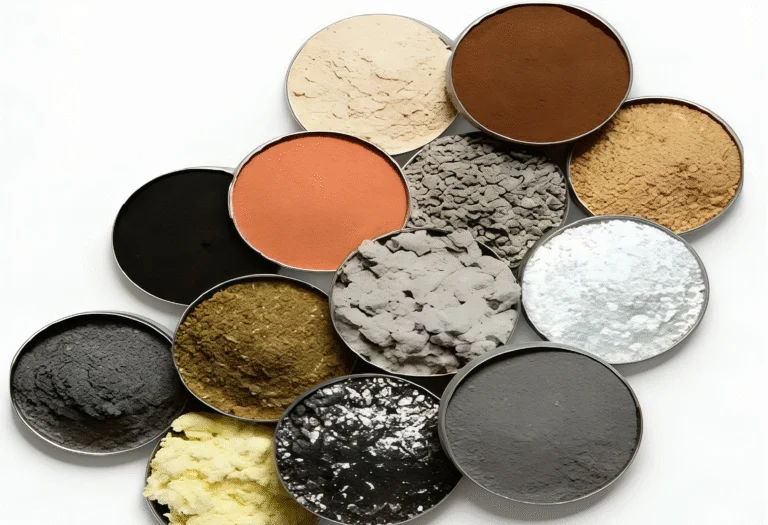
The image above provides a visual comparison of various brake pad materials, while the table below offers a detailed breakdown of their performance characteristics for side-by-side evaluation.
| Material Type | Temperature Range | Metallic Content | Primary Application | Key Advantage |
|---|---|---|---|---|
| Semi-Metallic (Standard) | 150-400°C | 30-65% | General automotive use | Cost-effective with good heat dissipation |
| NAO (Standard) | 100-350°C | 0-10% | Light-duty vehicles | Quiet operation and low dust |
| Ceramic (Custom) | 150-550°C | 0-15% | Luxury and premium vehicles | Minimal dust with stable friction |
| High-Performance Metallic (Custom) | 200-700°C | 65-80% | Performance and racing applications | Maximum fade resistance and stopping power |
| Carbon-Ceramic (Custom) | 300-900°C | Variable | Extreme performance vehicles | Exceptional temperature tolerance with low weight |
When you work with Tuoba for custom brake pad development, our material scientists analyze your specific requirements to recommend optimal compound formulations. We consider operating temperature ranges, desired friction coefficients, noise constraints, dust tolerance, and rotor compatibility. This tailored approach ensures you receive friction materials engineered precisely for your application rather than compromising with generic solutions.
The material composition ultimately determines how brake pads perform across every measurable metric. Understanding these differences empowers you to select formulations that align with your performance priorities and operating conditions.
Performance Comparison: Where Each Type Excels
Every brake pad type delivers distinct performance characteristics that matter to your driving experience and safety. Understanding these measurable differences helps you identify which option aligns with your specific driving conditions and vehicle requirements. At Tuoba, we engineer brake pads with precision-tested performance parameters that optimize the metrics most critical to your application.
The performance gap between standard and custom brake pads appears across multiple dimensions. Some differences become immediately apparent during everyday driving, while others emerge only under demanding conditions like sustained highway braking or performance driving scenarios.
Stopping Power and Braking Distance Metrics
The most critical performance measure for any brake pad is its stopping power—the ability to convert kinetic energy into heat efficiently and safely. You evaluate this through the coefficient of friction (μ), which quantifies how effectively the pad material grips the rotor surface during braking events.
Standard brake pads typically deliver friction coefficients between 0.35 and 0.45 across their optimal temperature range of 200-350°C. This provides adequate stopping performance for normal driving conditions, with braking distances from 60 mph generally falling in the 120-140 foot range depending on vehicle weight and tire capabilities.
Custom performance pads achieve friction coefficients of 0.45-0.55 or higher. This translates to 10-20% shorter braking distances under optimal conditions. However, you must recognize that tire grip ultimately limits maximum deceleration regardless of pad performance—even the most advanced brake pad cannot overcome the physics of tire traction.
- Consistent friction coefficient across temperature ranges ensures predictable pedal feel
- Cold bite performance affects initial stopping effectiveness when brakes are cool
- Pedal modulation allows precise control during threshold braking situations
- Rotor compatibility influences overall system effectiveness and wear patterns
Heat Dissipation and Fade Resistance Under Stress
When you apply brakes repeatedly without sufficient cooling time, temperatures climb rapidly. This creates the phenomenon known as brake fade—a progressive decline in friction coefficient as temperatures exceed material capabilities.
Standard brake pads begin experiencing fade when temperatures exceed 400-450°C during sustained braking. The friction material’s thermal stability decreases as binding resins break down and metallic components oxidize at these elevated temperatures.
Custom high-performance formulations maintain consistent friction to 600-700°C through superior heat dissipation characteristics. These advanced compounds incorporate specialized materials that resist thermal degradation and transfer heat more efficiently to the rotor and surrounding components.
You’ll observe this performance difference most dramatically in these scenarios:
- Mountain driving with extended downhill braking that generates sustained high temperatures
- Track use involving repeated heavy braking from high speeds with minimal cooling intervals
- Heavy towing where additional weight increases kinetic energy and heat generation
- Performance driving requiring consistent braking effectiveness lap after lap
Tuoba conducts comprehensive dynamometer fade testing that simulates these demanding conditions. We measure friction coefficient degradation through repeated stops from highway speeds, quantifying exactly how each formulation responds to thermal stress.
| Performance Metric | Standard Brake Pads | Custom Performance Pads |
|---|---|---|
| Friction Coefficient Range | 0.35 – 0.45 μ | 0.45 – 0.55+ μ |
| Fade Temperature Threshold | 400 – 450°C | 600 – 700°C |
| Optimal Operating Temperature | 200 – 350°C | 250 – 550°C |
| Heat Dissipation Rate | Moderate (baseline) | High (30-50% improvement) |
Noise, Vibration, and Harshness Characteristics
Brake noise significantly impacts your driving satisfaction, even when stopping performance remains excellent. The NVH (noise, vibration, and harshness) characteristics stem from complex interactions between pad material, rotor surface, and caliper dynamics.
Standard brake pads incorporate basic noise suppression features. These typically include single-layer shims and simple chamfers on pad edges. This approach provides acceptable quietness for most driving conditions but doesn’t eliminate all potential for brake squeal or judder.
Premium custom pads utilize sophisticated NVH engineering approaches. Multi-layer shims with viscoelastic damping layers absorb vibrations before they reach the caliper and transmit into the vehicle structure. Precision chamfering and slotting patterns interrupt stick-slip vibrations that cause high-frequency squeal.
The friction material formulation itself plays a crucial role in noise generation. Custom ceramic compounds operate nearly silently under normal conditions because their stable friction characteristics minimize vibration-inducing variations, making them one of the quietest types of brake pads in real-world driving. Aggressive performance compounds may generate more noise as an inevitable trade-off for maximum stopping capability.
Consider these NVH factors when selecting brake pads:
- Shim design and damping materials significantly reduce noise transmission
- Pad surface treatments and edge geometries minimize squeal-inducing vibrations
- Break-in procedures establish proper pad-rotor interface for quiet operation
- Operating temperature affects compound behavior and noise generation patterns
Brake Dust Generation and Wheel Cleanliness
The fine black powder accumulating on your wheels comes from microscopic particles worn from both the brake pad and rotor during braking. Brake dust generation varies dramatically between different pad formulations and directly impacts maintenance requirements.
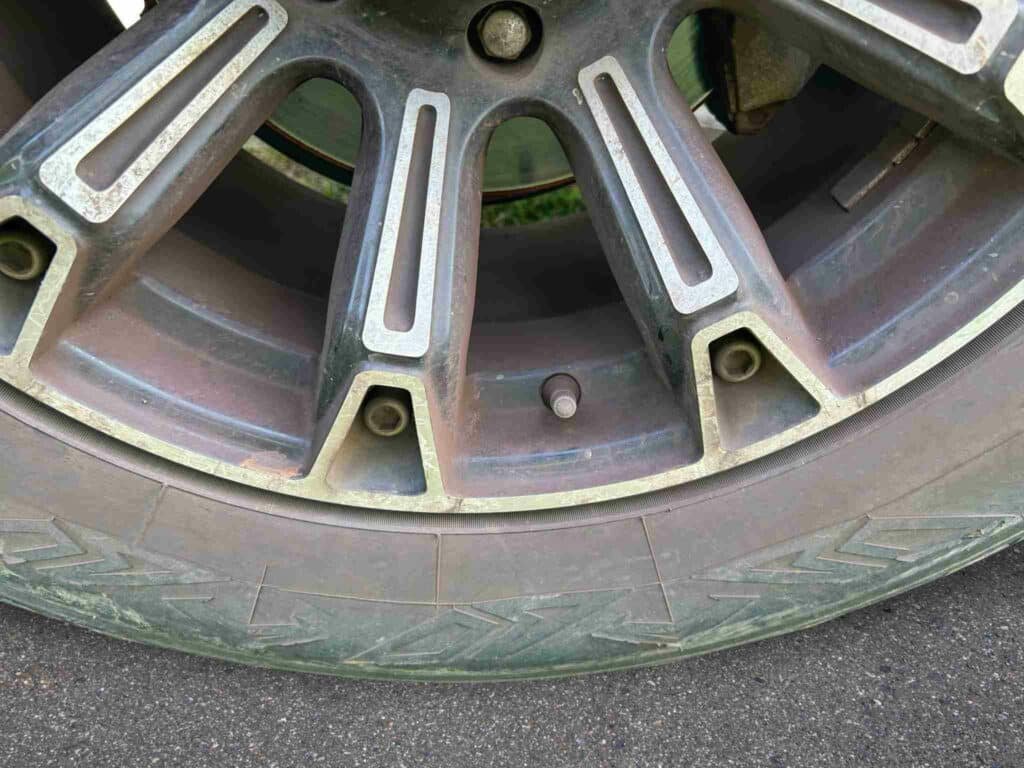
Standard semi-metallic pads produce moderate to heavy black dust. This material contains metallic particles that quickly accumulate on wheel surfaces, creating an unsightly appearance that requires frequent cleaning. The dark color shows prominently on light-colored wheels and premium finishes.
Custom ceramic formulations generate 60-80% less dust compared to conventional semi-metallic compounds. The dust produced tends to be lighter in color and less adhesive, making it less visible on wheel finishes and easier to remove during routine washing.
This cleanliness advantage stems from the ceramic compound’s wear characteristics. The material wears more gradually and produces finer particles that disperse more readily rather than adhering to wheel surfaces. You’ll notice this difference within days of installation as your wheels stay visibly cleaner between washes.
At Tuoba, we help you understand these performance trade-offs and select formulations that prioritize the characteristics most relevant to your specific driving conditions. Our engineering team evaluates your application requirements and recommends compounds that optimize the balance between stopping power, fade resistance, noise characteristics, and cleanliness based on your priorities.
Cost Analysis: Investment vs Long-Term Value
The sticker price on brake pads tells only part of the financial story—the complete picture emerges over thousands of miles of service. You need a comprehensive financial perspective that accounts for initial investment, replacement cycles, and impact on related brake system components. Online tools that estimate brake replacement costs can help you better understand real-world pricing differences. This analysis reveals when premium options deliver superior value despite higher upfront costs.
Smart purchasing decisions require evaluating both immediate expenses and long-term ownership patterns, often supported by professional auto repair pricing tools. The brake pad market offers options ranging from budget-friendly standard formulations to specialized custom compounds, each with distinct cost structures and value propositions. For additional reference, real-world pricing variations can also be seen in real-world brake repair pricing examples, giving you a clearer picture of total maintenance expenses.
Initial Purchase Price Comparison
Standard brake pads benefit from economies of scale that mass production provides. You’ll typically find these sets priced between $30–$80 for compact and mid-size vehicles. Larger vehicles and premium brands command $60–$150 per axle set, reflecting increased material requirements and brand positioning.
Aftermarket brake pads in the standard category often undercut OEM pricing by 20–40% while maintaining comparable specifications. These options appeal to cost-conscious vehicle owners seeking reliable performance without premium pricing.
Custom brake pads command higher initial investment due to specialized formulations and smaller production volumes. You’ll generally encounter pricing from $100–$300 per axle set for application-specific compounds. Extreme-duty or racing formulations can reach $300–$600 or more, justified by exotic materials, extensive development costs, and performance optimization.
Lifespan and Replacement Frequency
Standard brake pads deliver predictable service life under normal driving conditions. You can expect 30,000-50,000 miles from most formulations, with semi-metallic compounds often outlasting organic alternatives. However, this longevity comes with increased rotor wear that affects total system costs.
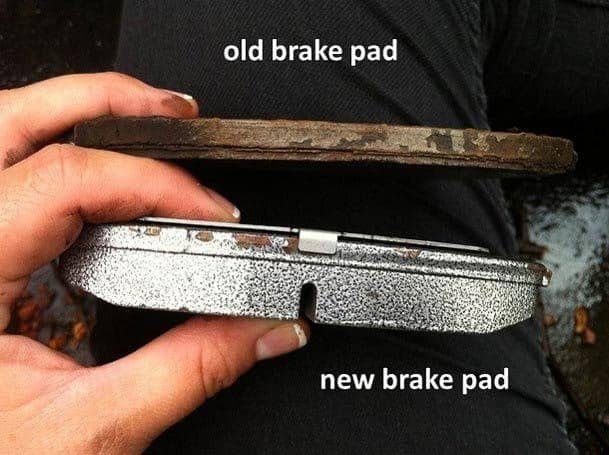
Brake pad lifespan varies significantly based on driving patterns and environmental conditions. Aggressive city driving, mountainous terrain, and frequent towing dramatically reduce service intervals compared to highway cruising.
Custom formulations exhibit highly variable replacement frequency depending on their optimization priorities. Premium ceramic compounds frequently achieve 50,000-70,000 miles due to harder material composition and lower wear characteristics. Conversely, aggressive performance compounds may require replacement every 15,000-25,000 miles because they prioritize maximum grip over longevity.
You should track your actual replacement patterns rather than relying solely on manufacturer estimates. Real-world conditions often differ substantially from laboratory testing environments.
Total Cost of Ownership Considerations
Evaluating true cost of ownership requires accounting for expenses beyond the brake pad purchase. Rotor replacement represents a significant factor—aggressive semi-metallic pads accelerate rotor wear, potentially requiring replacement every second pad change.
Consider this calculation: standard pads costing $70 might seem economical until you factor rotor replacement at $150-$300 every 60,000-80,000 miles. Premium custom ceramic pads at $180 often preserve rotor life, potentially eliminating one replacement cycle and reducing total system expenses over 100,000 miles.
Labor costs amplify these differences. You’ll pay $80-$150 per brake service at most shops, meaning frequent replacements compound both parts and labor expenses.
Additional ownership factors include:
- Wheel cleaning time and products for high-dust formulations
- Caliper component wear from improper pad-rotor matching
- Brake fluid service intervals affected by heat generation
- Environmental disposal fees for worn brake components
The table below illustrates how these factors combine to create dramatically different cost of ownership profiles:
| Brake Pad Type | Initial Cost (Per Axle) | Expected Lifespan | Rotor Replacement Impact | Cost Per 10,000 Miles |
|---|---|---|---|---|
| Economy Standard | $45 | 30,000 miles | High rotor wear | $25-$32 |
| Premium Standard | $95 | 45,000 miles | Moderate rotor wear | $21-$26 |
| Custom Ceramic | $185 | 65,000 miles | Minimal rotor wear | $18-$22 |
| Performance Custom | $275 | 20,000 miles | Variable by compound | $35-$45 |
This per-mile analysis reveals that premium custom ceramic formulations often deliver the lowest operating costs despite higher purchase prices. Performance compounds serve specialized applications where maximum capability justifies elevated expenses.
Tuoba’s Value Engineering for Custom Solutions
At Tuoba, our approach to custom brake solutions focuses on optimizing total system value rather than minimizing component prices. We analyze your specific application requirements to recommend formulations that balance initial investment against projected service life, component compatibility, and maintenance patterns.
Our engineering team conducts comprehensive cost modeling for your application. We specify harder compounds that extend service intervals when longevity matters most. For applications demanding reduced maintenance burdens, we develop formulations that reduce rotor wear by 30-40% compared to standard alternatives.
You receive transparent financial analysis showing:
- Projected per-mile operating costs across different formulations
- Maintenance interval schedules based on your driving patterns
- Total system ownership calculations over 100,000+ mile lifecycles
- Break-even analysis comparing initial investment to long-term savings
This data-driven approach demonstrates when premium custom solutions deliver superior ownership value despite higher upfront investment. For fleet operators and performance enthusiasts, these optimizations often generate substantial savings over vehicle service life.

We don’t simply offer expensive alternatives—we engineer solutions that make financial sense for your specific requirements. Whether you prioritize lowest per-mile costs, extended service intervals, or maximum performance within budget constraints, our value engineering methodology identifies the optimal balance point.
Choosing Between Custom and Standard Brake Pads
The decision between custom and standard brake pads isn’t about which is universally better—it’s about which matches your unique requirements. You need a systematic approach that evaluates your actual driving conditions, vehicle specifications, and performance expectations to identify the optimal solution. At Tuoba, we help you navigate this decision by focusing on measurable performance benefits rather than generic marketing claims, ensuring your investment delivers real-world value.
Your choice ultimately depends on how closely your operating conditions align with the design parameters of standard formulations. When your driving profile fits within typical parameters, standard pads offer proven reliability at excellent value. When your requirements extend beyond these boundaries, performance brake pads engineered for your specific conditions become the logical investment.
Assessing Your Driving Environment and Conditions
Start by documenting exactly how you use your vehicle in real-world conditions. You should evaluate your typical daily mileage, the percentage of city versus highway driving, and the frequency of heavy braking events you encounter. This honest assessment reveals whether your braking demands fall within standard specifications or require specialized solutions.
Urban commuters face predominantly stop-and-go traffic with frequent but moderate brake applications. These conditions generate manageable thermal loads that standard formulations handle effectively. In contrast, mountain residents or drivers who regularly navigate long descents experience sustained high-temperature conditions that demand superior fade resistance found in custom formulations.
Climate factors significantly influence brake pad performance across different environments. Cold-weather regions require pads that develop friction quickly from low temperatures, while hot climates demand materials that maintain stability above 400°C. You need to match your pad’s thermal characteristics to your local temperature extremes for consistent stopping power year-round.
Towing, hauling, or carrying heavy loads dramatically increases the kinetic energy your brakes must dissipate. Heavy-duty brake pads become essential when you regularly operate near maximum payload capacity, as standard formulations may experience accelerated wear or thermal fade under these demanding conditions. Load conditions can potentially double brake temperatures, requiring enhanced thermal capacity that custom formulations provide.
Vehicle Type and Performance Requirements
Your vehicle’s specifications create important selection criteria that you must consider alongside driving conditions. You should match pad specifications to your vehicle’s weight, power output, brake rotor size, and caliper design to ensure proper brake rotor compatibility and optimal performance. Mismatched components compromise both safety and longevity.
Lightweight economy cars with modest power outputs achieve excellent results with standard pads designed for their braking systems. These vehicles operate well within the thermal and friction parameters of mass-production formulations. The brake components work in harmony when properly matched to manufacturer specifications.
Heavy trucks, high-performance sports cars, or modified vehicles with increased power benefit from custom formulations engineered for their specific demands. You need performance brake pads when your vehicle exceeds standard weight-to-power ratios or when modifications have altered braking requirements. Enhanced stopping power becomes necessary as kinetic energy increases with vehicle mass or velocity.
Vehicle modifications create additional considerations for brake system optimization. If you’ve installed larger wheels, increased engine output, or added weight through accessories, your braking demands have likely exceeded original design parameters. Custom solutions restore the safety margin that modifications may have compromised.
When Standard Brake Pads Are the Right Choice
Standard brake pads represent the optimal solution when your driving profile aligns with typical operating conditions. You benefit from proven reliability, cost-effectiveness, and widespread availability that makes maintenance straightforward and predictable. These advantages matter significantly for daily drivers prioritizing practical value.
Consider standard pads when you meet these criteria:
- You drive primarily in normal conditions without extreme temperature, load, or performance requirements
- Your vehicle operates within manufacturer specifications without modifications affecting weight or power
- You prioritize proven reliability and cost-effectiveness over specialized performance characteristics
- Your annual mileage remains moderate, typically under 15,000 miles with predictable driving patterns
- You value quiet operation and low dust generation for daily driving comfort
- You prefer simple replacement with widely available parts through standard distribution channels
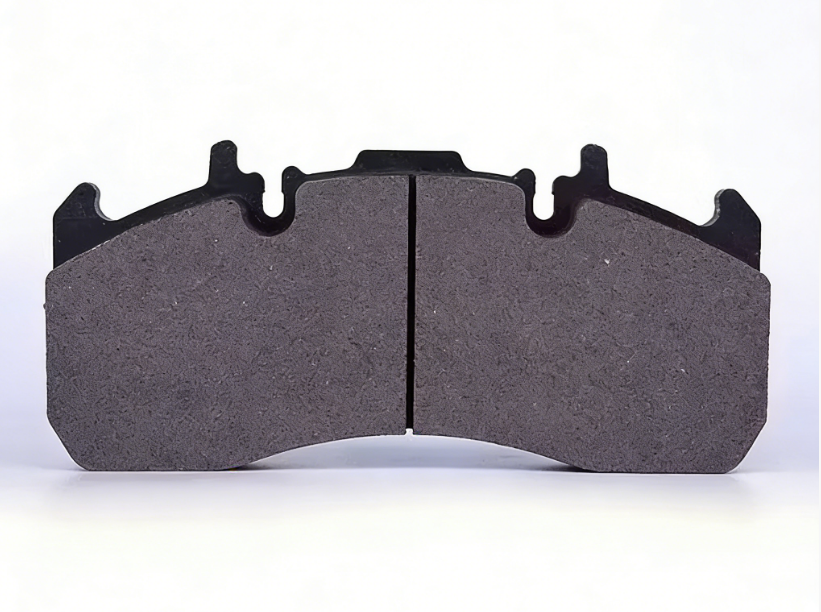
Standard pads from Tuoba deliver OEM-equivalent performance with manufacturing precision and quality assurance you expect from professional-grade components. Our standard formulations undergo the same rigorous testing protocols as custom solutions, ensuring consistent brake rotor compatibility and reliable stopping power.
When Custom Brake Pads Deliver Superior Value
Custom brake pads become the intelligent investment when your operating conditions regularly exceed standard design parameters. You gain measurable performance advantages in the specific areas that matter most for your application. The enhanced capabilities justify the additional investment through improved safety, extended service life, or specialized characteristics.
Heavy-duty brake pads engineered for your requirements deliver superior value in these situations:
- You regularly tow heavy trailers or carry maximum payload, requiring enhanced thermal capacity
- Your driving includes frequent mountain descents or sustained high-speed braking events
- You participate in track days, autocross, or performance driving events demanding fade resistance
- You’ve modified your vehicle with increased power, weight, or wheel diameter
- You operate in extreme climatic conditions such as severe cold or desert heat
- You prioritize specific characteristics like minimal dust generation or maximum wet-weather performance
- You require extended service intervals for commercial applications with high annual mileage
At Tuoba, we provide application engineering consultation to help you evaluate these factors systematically. Our team identifies the optimal formulation for your specific requirements, ensuring you invest in performance brake pads that deliver measurable advantages relevant to your actual operating conditions. We distinguish between genuine performance needs and generic “high-performance” marketing claims that don’t address real-world requirements.
| Selection Factor | Standard Pads Recommended | Custom Pads Recommended |
|---|---|---|
| Driving Conditions | Normal city/highway, flat terrain, moderate climate | Mountain descents, extreme temperatures, heavy traffic with frequent stops |
| Vehicle Usage | Daily commuting, light loads, stock configuration | Towing/hauling, track events, modified performance vehicles |
| Annual Mileage | Under 15,000 miles with predictable patterns | High mileage or commercial use requiring extended intervals |
| Performance Priority | Quiet operation, low dust, cost-effectiveness | Maximum stopping power, fade resistance, specialized characteristics |
Your decision framework should balance initial investment against long-term value based on your specific circumstances. The right choice delivers optimal performance for your actual requirements rather than over-engineered capabilities you’ll never utilize or under-specified components that compromise safety. Tuoba supports both categories with solutions engineered for reliability and measurable performance in their intended applications.
Frequently Asked Questions
Q: Are custom brake pads worth it?
A: Custom brake pads are worth the investment when your driving conditions involve high loads, extreme temperatures, or performance requirements beyond standard specifications. They can improve braking performance and reduce long-term costs in demanding applications.
Q: Do custom brake pads last longer?
A: It depends on the formulation. Some custom ceramic compounds last longer than standard pads, while performance-focused compounds may wear faster due to higher friction levels.
Q: Are standard brake pads enough for trucks?
A: Standard brake pads are sufficient for light-duty trucks under normal conditions. However, heavy-duty trucks or vehicles used for towing and commercial applications often benefit from custom brake pad solutions with enhanced thermal stability.
Conclusion
Your brake pad selection directly impacts vehicle safety and long-term maintenance costs. The decision between custom and standard options comes down to matching engineering capabilities with your real-world driving conditions.
Standard brake pads deliver reliable, cost-effective performance for everyday vehicles operating under normal conditions. They meet established specifications and provide predictable behavior for most drivers.
Custom brake pads offer targeted solutions when you face demanding applications—extreme temperatures, specialized equipment, or performance requirements beyond standard specifications. The premium investment makes sense when measurable benefits justify the added cost.
Tuoba manufactures both standard and custom brake pads with identical commitment to quality control and engineering excellence. Our production processes ensure consistent performance whether you need high-volume OEM-specification pads or specialized formulations for unique applications.
You deserve brake pads engineered precisely for your application. If your application involves heavy loads, high temperatures, or performance requirements beyond standard specifications, custom brake pad engineering may significantly reduce long-term costs.

Contact our engineering team to evaluate your specific operating conditions and identify the most cost-effective solution tailored to your application. with experts who understand both the science of friction materials and the practical realities of brake system performance.