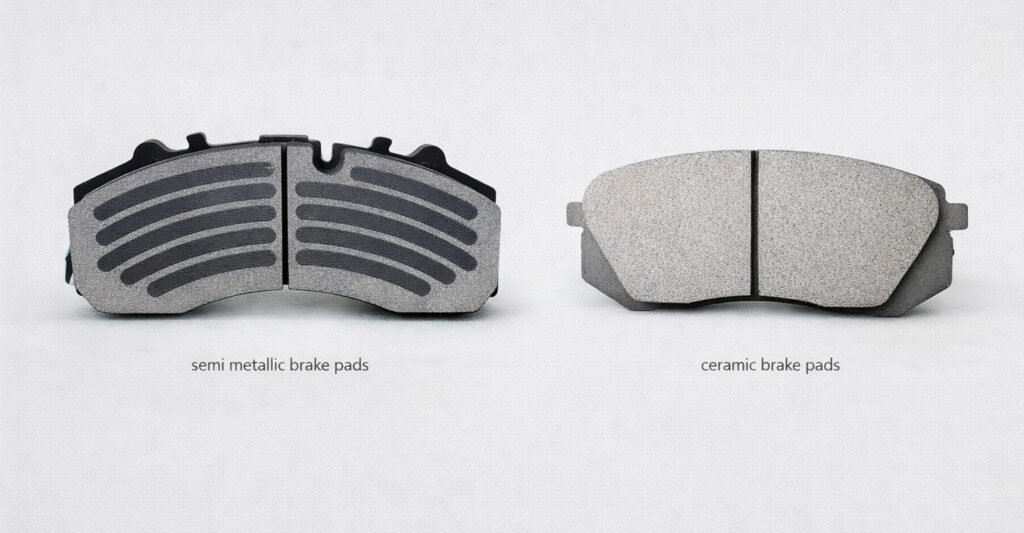
There’s no one-size answer in the ceramic vs semi metallic brake pads debate. Ceramic pads are quiet and keep your wheels cleaner, which suits city streets and highway commutes. Semi-metallic pads shrug off heat and heavy loads, so you see them on trucks and on performance cars like the Ford Mustang GT or Chevrolet Camaro SS. Which one makes sense comes down to how you drive, what you drive, and what you want to spend.
Below we compare the two on noise, heat, stopping power, cost and durability. We also cover what changes when the vehicle is a truck or bus, and what parts distributors should keep on the shelf. We make both types in our own factories. A lot of what follows comes from what our customers tell us.
Understanding How Brake Pads Work in Your Vehicle
Before comparing ceramic and metallic options, look at what happens when you press the brake pedal. Several brake system components work together in a set order, and each one affects how the pads behave.
The Role of Brake Pads in Your Braking System
Press the pedal and hydraulic brake fluid carries that force to the wheels. The master cylinder function is simple: it pressurizes the fluid and pushes it through the brake lines. At each wheel, that pressure works either a caliper or a wheel cylinder, depending on the setup.
The brake pads sit inside the caliper. They’re the part that actually touches the spinning rotor. For a more technical definition, see this detailed explanation of brake pads. No pads, no stopping.
Converting Kinetic Energy to Heat Through Friction
A moving car carries kinetic energy, and stopping it means turning that energy into heat. Brake caliper operation clamps the pads onto the rotor, and the friction materials in the pads create the heat that slows the wheel. The faster you’re going, the more heat the pads have to soak up and get rid of.
That’s why friction materials matter so much. Ceramic and semi-metallic compounds deal with heat in very different ways, which we’ll get to below.
Different Types of Brake Systems: Disc vs Drum
| Feature | Disc Brakes | Drum Brakes |
|---|---|---|
| Friction Contact | Pads press against a rotor | Shoes press against an inner drum surface |
| Heat Dissipation | Excellent — open-air rotor design | Limited — enclosed drum traps heat |
| Common Placement | Front and rear (most modern cars) | Rear wheels on budget models |
| Maintenance Complexity | Moderate — pad replacement is straightforward | Higher — spring and adjuster setup required |
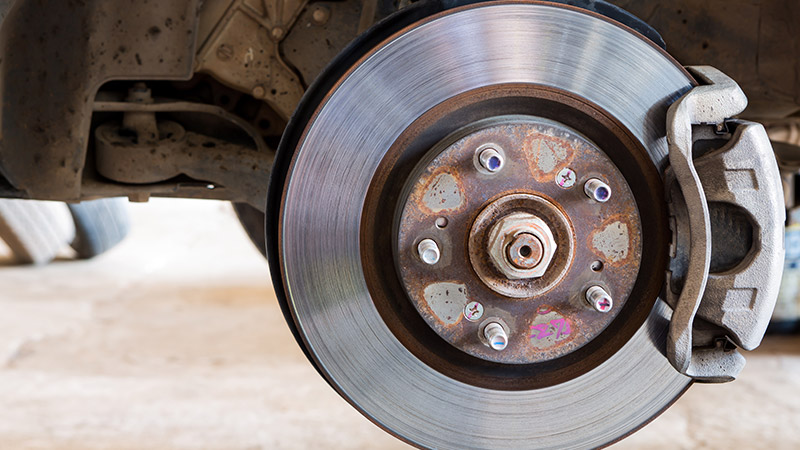
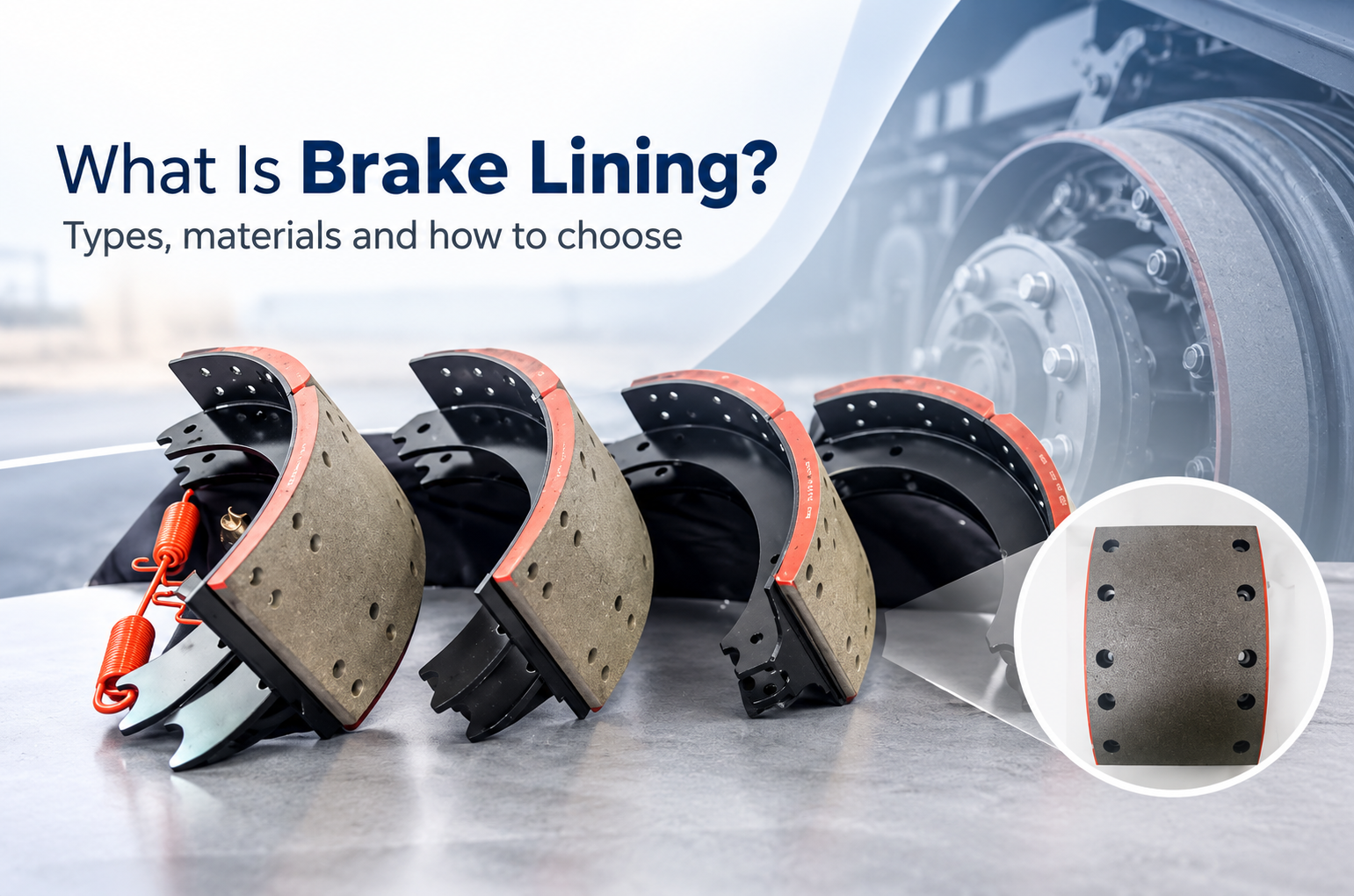
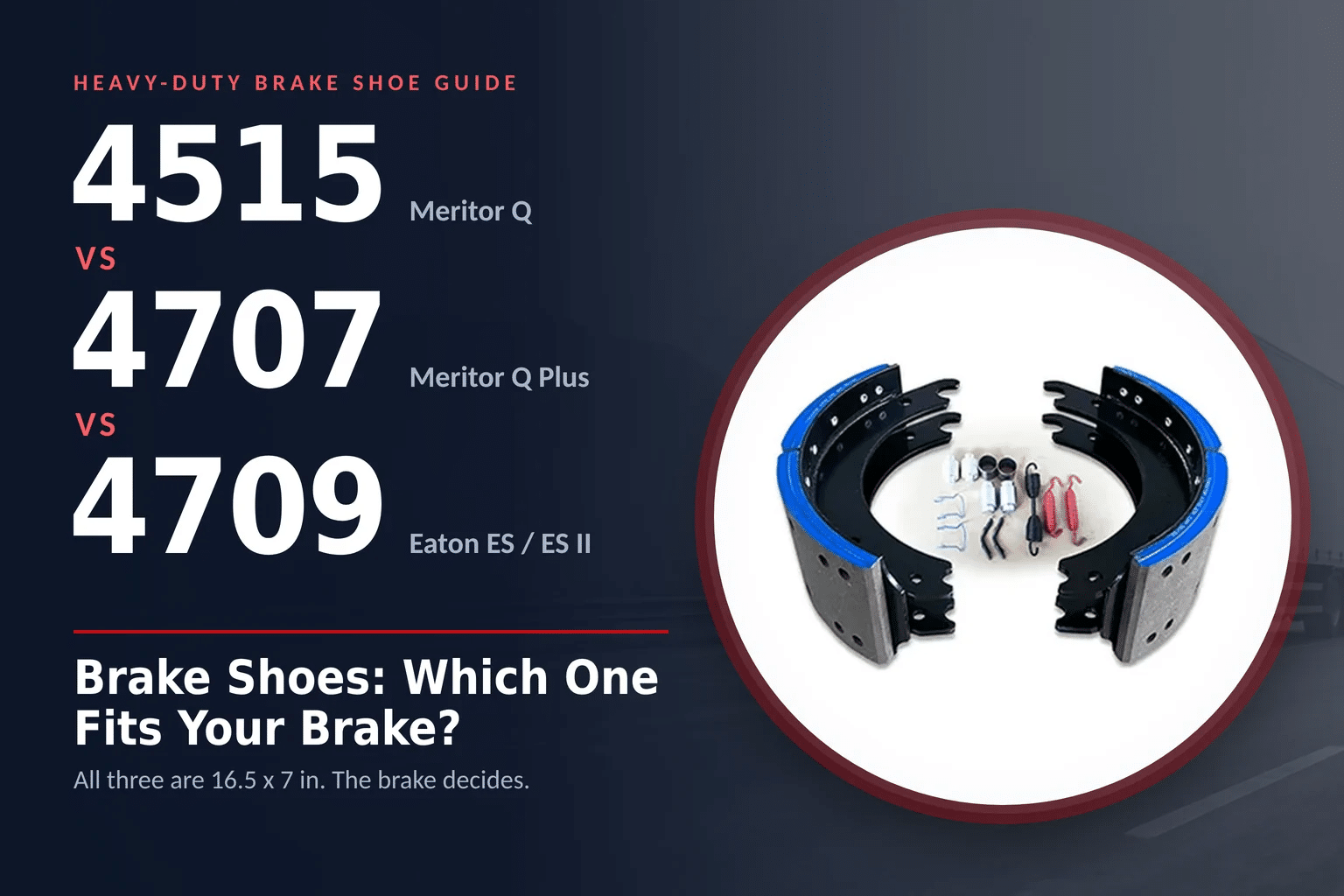
Most modern cars have disc brakes on all four wheels. Makers like Toyota and Ford design them to work the same on a highway commute or a long mountain descent. Heavy trucks and many buses are a different story, and plenty of them still run drum brakes with shoes and linings. With that picture in place, let’s look at the two pad types.
What Are Ceramic Brake Pads?
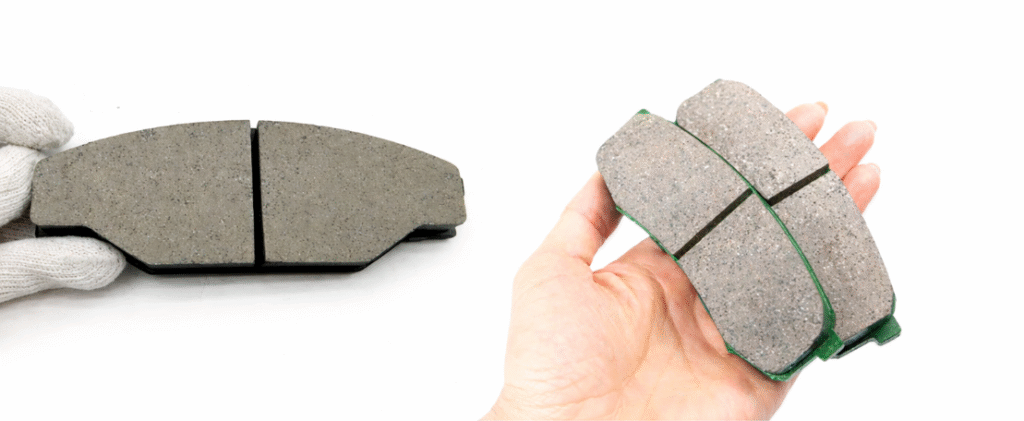
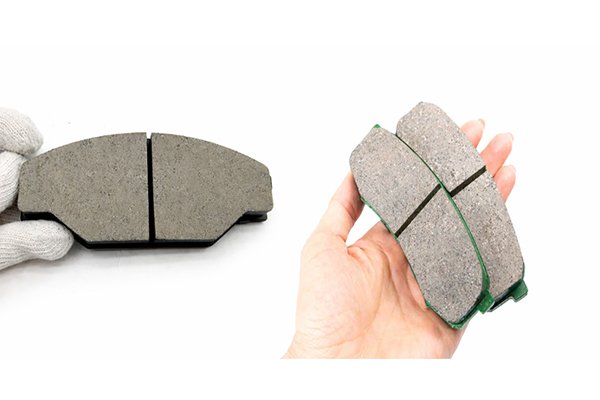
Ceramic brake pads use ceramic fibers and fillers, distant cousins of the stuff in pottery and tiles. The difference is that brake pad manufacturing processes press and cure them into something far tougher and more heat-resistant than a dinner plate. Since they came out, ceramic pads have become a favorite with everyday drivers who want quiet, clean braking.
Material Composition and Manufacturing Process
The ceramic brake pad composition mixes ceramic fibers, bonding agents, fillers and a small amount of metal. In brake pad manufacturing, we mix these raw materials, press them in molds under high pressure, then cure them at high temperature. What comes out is a pad that resists heat buildup and wears evenly over thousands of miles.
- Ceramic fibers give the pad its basic structure
- Bonding resins keep the mix together under load
- Fillers set the friction level and help damp noise
- Small metal fibers help move heat away from the friction surface
Fine Copper Fibers and Dense Ceramic Materials
Copper fiber technology has long been part of ceramic pads. Fine copper strands spread through the compound boost heat dissipation and keep friction steady. The high ceramic material density also spreads braking heat across the pad face, so you get fewer hot spots and less early wear. Copper is on its way out, though. Washington State’s Better Brakes law caps copper at 0.5% from 2025, so newer formulas swap it for other fibers. Our commercial vehicle drum linings already carry the LeafMark N rating, which means less than 0.5% copper.
Development History Since the Mid-1980s
Ceramic pads first showed up in the mid-1980s as a replacement for asbestos-based and organic compounds. By the early 2000s, aftermarket brands were selling dedicated ceramic lines made for quiet, smooth road driving. They’ve kept growing since, mostly because they make less brake dust and give a consistent pedal feel.
| Feature | 1980s Ceramic Pads | Modern Ceramic Pads |
|---|---|---|
| Copper Fiber Technology | Basic copper content | Advanced fine-fiber integration |
| Noise Level | Moderate reduction | Near-silent operation |
| Brake Dust Output | Lower than organic pads | Minimal, light-colored dust |
| Heat Tolerance | Up to 600°F | Up to 800°F |
| Typical Lifespan | 30,000–40,000 miles | 50,000–70,000 miles |
What Are Semi-Metallic Brake Pads?
Semi-metallic brake pads are the most common pad in the United States, found on everything from daily commuters to sports cars. The semi-metallic composition mixes metal fibers with synthetic binders, which gives a pad that copes well with heat and stress.
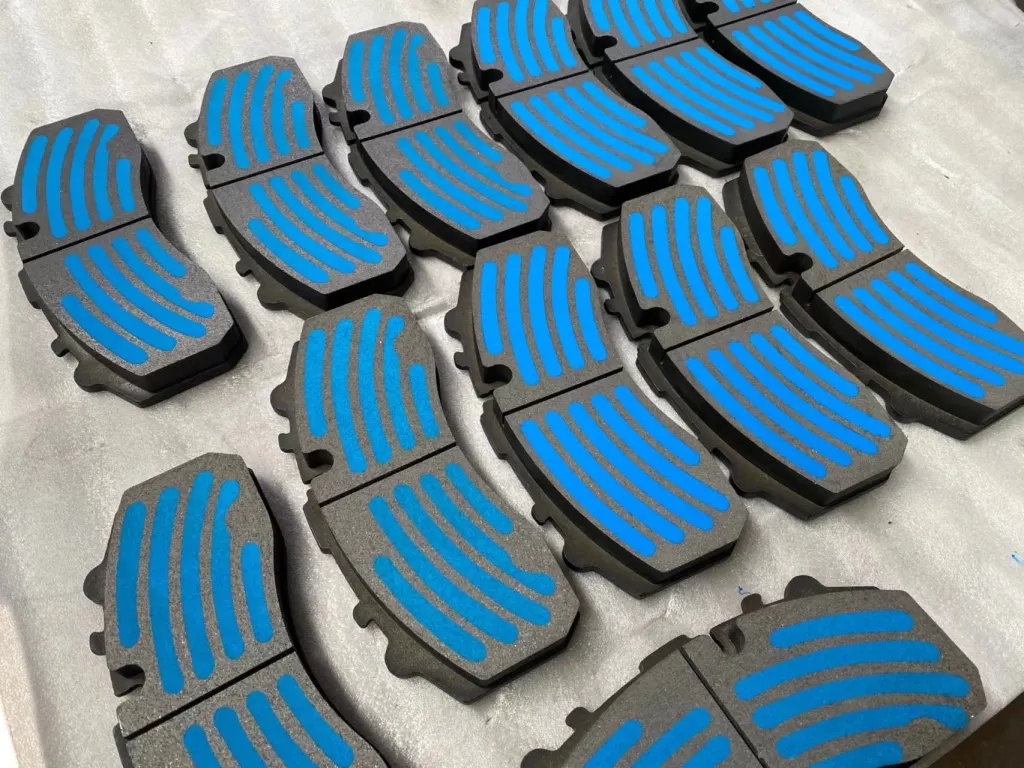
The metallic brake pad materials usually make up 30% to 70% of a semi-metallic formula. Steel copper iron fibers form the backbone and give the pad the strength to take hard braking. A graphite lubricant is added to cut friction noise and help the pad slide smoothly on the rotor.
The metal content percentage has a direct effect on how the pad behaves. More metal means better heat conductivity, so the pad takes in and gives off heat faster than organic or ceramic pads. That’s why semi-metallic pads suit towing, mountain roads and track days.
Here’s what typically goes into one, and what each ingredient does:
| Ingredient | Typical Percentage | Primary Function |
|---|---|---|
| Steel fibers | 15–30% | Structural strength and heat transfer |
| Copper fibers | 5–15% | Thermal conductivity and friction stability |
| Iron powder | 10–20% | Wear resistance and stopping force |
| Graphite | 5–10% | Lubrication and noise reduction |
| Synthetic fillers and resins | 20–40% | Binding agents and vibration dampening |
Formulas vary a lot depending on the job. A sport pad and a heavy-duty truck pad can both be semi-metallic and still behave very differently. Stop-and-go commuting and weekend hard driving need different mixes. Picking the right metal content percentage is how you match the brakes to the way you drive.
Metallic Brake Pads vs Ceramic: Key Performance Differences
Put the two side by side and the gaps are clear. Neither wins everywhere.
Noise Levels and Daily Driving Comfort
A brake noise comparison shows a big gap. Ceramic pads are very quiet, which is why they suit daily commutes and city driving. Semi-metallic pads squeak and grind more, especially when cold or under light braking.
Heat Resistance and Temperature Management
Semi-metallic pads are better at heat dissipation when things get extreme. The metal in them soaks up heat and moves it away from the rotor surface. Ceramic pads cope fine with moderate heat across a broad temperature range, but they absorb less of it, so more heat ends up in the calipers, fluid and lines.
Stopping Power and Braking Performance
The metal fibers in semi-metallic pads bite hard, which gives a shorter stopping distance under heavy braking, and you need less pedal force than with organic pads. Ceramic pads stop smoothly and predictably in normal driving, but can come up short on track days or when towing.
Brake Dust Production and Wheel Maintenance
Brake dust accumulation is clearly lower with ceramic pads. Their dust is fine and light-colored, so it barely shows on your wheels. Semi-metallic pads leave darker, heavier dust that sticks to the wheels and needs cleaning more often.
| Feature | Ceramic Pads | Semi-Metallic Pads |
|---|---|---|
| Noise Level | Quiet operation | Noticeable squeaking |
| Heat Management | Moderate — transfers heat to components | Excellent — absorbs and disperses high heat |
| Stopping Distance | Standard for daily driving | Shorter under aggressive braking |
| Dust Output | Minimal, light-colored | Heavy, dark residue |
| Best Use Case | Commuting, light SUVs | Towing, performance vehicles |
Next up: what each type costs you, both at the counter and over time.
Cost Analysis and Long-Term Value
Picking brake pads isn’t only about performance. It’s also about what you’ll pay over the years. Brake pad pricing, replacement costs and rotor wear rates all feed into that.
Initial Purchase Price Comparison
Organic pads are the cheapest up front, often $20–$40 per set. Semi-metallic pads sit in the middle at around $30–$60. Ceramic pads have the highest brake pad pricing, from $50–$100 or more. Pressing and firing dense ceramic compounds with fine copper fibers is what pushes the price up.
Durability and Replacement Frequency
Ceramic pads wear slowly and can last 50,000–70,000 miles in normal driving, which keeps replacement costs down over the life of the car. Semi-metallic pads usually last 30,000–50,000 miles. Organic pads wear fastest and often need changing at 20,000–40,000 miles. Every type has metal tang wear indicators that squeal when it’s time for new pads.
Impact on Brake Rotors and System Wear
Rotor wear rates make a big difference to total upkeep. Semi-metallic pads are harder and rub the rotors more, so discs wear faster. That can mean resurfacing or replacing rotors sooner, which adds hundreds of dollars over time. Ceramic pads are easier on rotors, though the heat they pass on can warp them in some cases. Rotors alone can cost $200–$400 per axle, so looking after them pays off.
| Pad Type | Average Price Per Set | Typical Lifespan (Miles) | Rotor Wear Impact | Overall Long-Term Value |
|---|---|---|---|---|
| Organic | $20–$40 | 20,000–40,000 | Low | Moderate |
| Semi-Metallic | $30–$60 | 30,000–50,000 | High | Moderate |
| Ceramic | $50–$100 | 50,000–70,000 | Low | High |
Choosing the Right Brake Pads for Your Driving Style
How you drive matters more than anything else here. A quick driving conditions assessment helps you match pad material to what the brakes actually face. Before you buy, think about where you spend most of your time: city streets, highways or mountain roads.

Use this brake pad selection guide as a starting point:
- City commuters: Lots of stop-and-go traffic suits ceramic pads. They stop quietly and smoothly and leave little dust on your wheels.
- Highway cruisers: Ceramic pads handle light to moderate braking easily and keep cabin noise down on long trips.
- Mountain and hill drivers: Semi-metallic pads hold up to heavy, repeated braking and resist heat fade on steep descents.
- Towing and hauling: Extra weight raises your performance requirements. Semi-metallic pads give the stopping power heavy loads need.
- Low-mileage drivers: If you don’t brake much, organic pads are a cheap option.
Check the vehicle manufacturer recommendations before you switch. Your owner’s manual lists the pad types designed for your car’s brakes, weight and layout.
| Driving Style | Recommended Pad Type | Key Benefit | Typical Cost Range |
|---|---|---|---|
| Daily city commute | Ceramic | Low noise, minimal dust | $50–$100 per axle |
| Highway travel | Ceramic | Consistent, quiet braking | $50–$100 per axle |
| Mountain driving | Semi-metallic | Heat resistance, strong bite | $30–$70 per axle |
| Towing or hauling | Semi-metallic | Superior stopping power | $30–$70 per axle |
| Sports or track use | Semi-metallic | High-temp performance | $40–$80 per axle |
| Light, low-mileage use | Organic | Budget-friendly | $20–$50 per axle |
An honest driving conditions assessment, matched to your real performance requirements, gets you pads that keep you safe and fit your budget.
Ceramic vs Semi Metallic Brake Pads for Trucks and Commercial Vehicles
Trucks, buses and vans work their brakes far harder than a family car. They carry more weight, stop more often, and spend longer on downhill grades. So the question moves from comfort to duty cycle. Both pad types are used on commercial vehicles, and the right one depends on the route and the load.
When ceramic pads make more sense
- The vehicle runs urban or regional routes
- Low noise and smooth stops matter, as on city buses and delivery vans
- The fleet wants clean wheels and less brake dust
- Loads are moderate and brake temperatures stay under control
When semi-metallic pads make more sense
- The truck carries heavy or changing loads
- It runs highways, mountain roads or long descents
- Brakes regularly run hot
- Maximum stopping power and pad life come first
Here’s how the two compare on the things fleet buyers ask us about most:
| Factor | Ceramic Brake Pads | Semi Metallic Brake Pads |
|---|---|---|
| Initial braking bite | Moderate | Strong |
| High-temperature performance | Good | Excellent |
| Heavy-load braking | Moderate | Excellent |
| Noise and vibration | Low | Moderate |
| Brake dust | Low | Higher |
Most fleets don’t run one material on every vehicle. A city bus and a quarry truck need different pads even when they come from the same operator. Our bus vs truck brake pads guide goes into that difference in more detail.
What Brake Pad Distributors Should Stock
If you resell brake pads, you don’t have to pick a side. Most distributors do best carrying both, split by the customers they serve. This is roughly how we advise the distributors we supply:
- Passenger car lines: Ceramic as the main range for sedans and SUVs, with a semi-metallic option for pickup and towing customers.
- Light commercial and vans: Semi-metallic for delivery fleets that run full, ceramic for shuttle and city service vans.
- Heavy trucks and buses: Semi-metallic for long-haul and mountain routes. For city buses where noise complaints come up, look at ceramic or low-metallic pads.
- Copper rules: If you sell into the US, make sure your supplier can offer low-copper or copper-free formulas.
We make NAO, low-metallic, semi-metallic and ceramic pads in our own plants, so a distributor can build a full range from one supplier. Our brake pad technology page explains how we set up each formula, and how good are ceramic brake pads covers the ceramic side in more depth.
Conclusion
The choice between ceramic and semi-metallic brake pads comes down to use. For daily commuting, city driving, school runs and highway trips, ceramic pads are our brake pad recommendation: quieter, cleaner and longer-lasting. Save metallic pads for heavy loads, towing and hard braking, where heat resistance counts. For trucks and fleets, let the duty cycle decide.
Buying for a fleet or for resale? Send us your vehicle models and how they’re used. We’ll suggest a formula and send samples by UPS.