U.S. brake parts distributors often start a sourcing conversation with a product list. Some already know the FMSI references they need; others are looking to expand their range or find another supplier. Either way, price is only one part of the decision. Fitment, test documents, sample approval, factory quality controls and delivery terms all need to be checked before placing a bulk order.
With 2027 purchasing plans coming up, this guide walks through six practical checks to help you compare suppliers and make better sourcing decisions.
Have a part-number list ready? Send it to our team and we will go through it with you.
Start With the Models Your Customers Actually Buy
Having a large product catalog doesn’t always mean a supplier has what you need. It’s better to start with what your customers are actually buying. Which part numbers sell well? Which ones are harder to find? And are there any new vehicle applications you’re looking to cover?
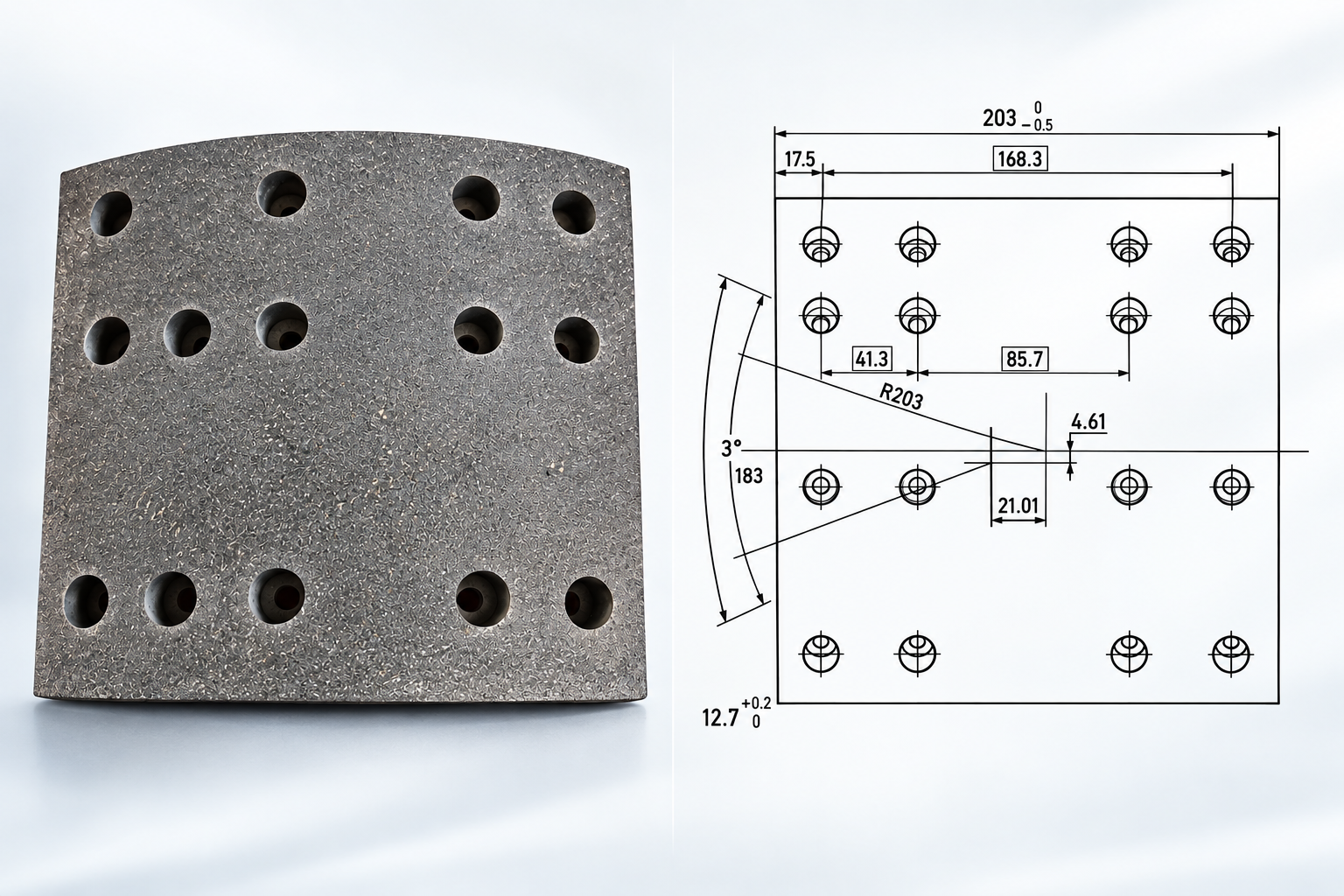
When sending an RFQ, it’s helpful to include the FMSI or OE numbers, vehicle and brake application, quantity for each model, and any product photos or drawings you have. I also like to know whether you’re looking for complete lined brake shoe assemblies, replacement drum brake linings, disc brake pads or hardware kits. These details make a difference when checking the products and preparing a quotation, so it’s better to get them clear from the start.
| What to send | Details |
|---|---|
| Reference numbers | FMSI or OE reference numbers |
| Application | Vehicle and brake application |
| Quantity | Quantity needed for each model |
| Photos or drawings | Any product photos or drawings you have |
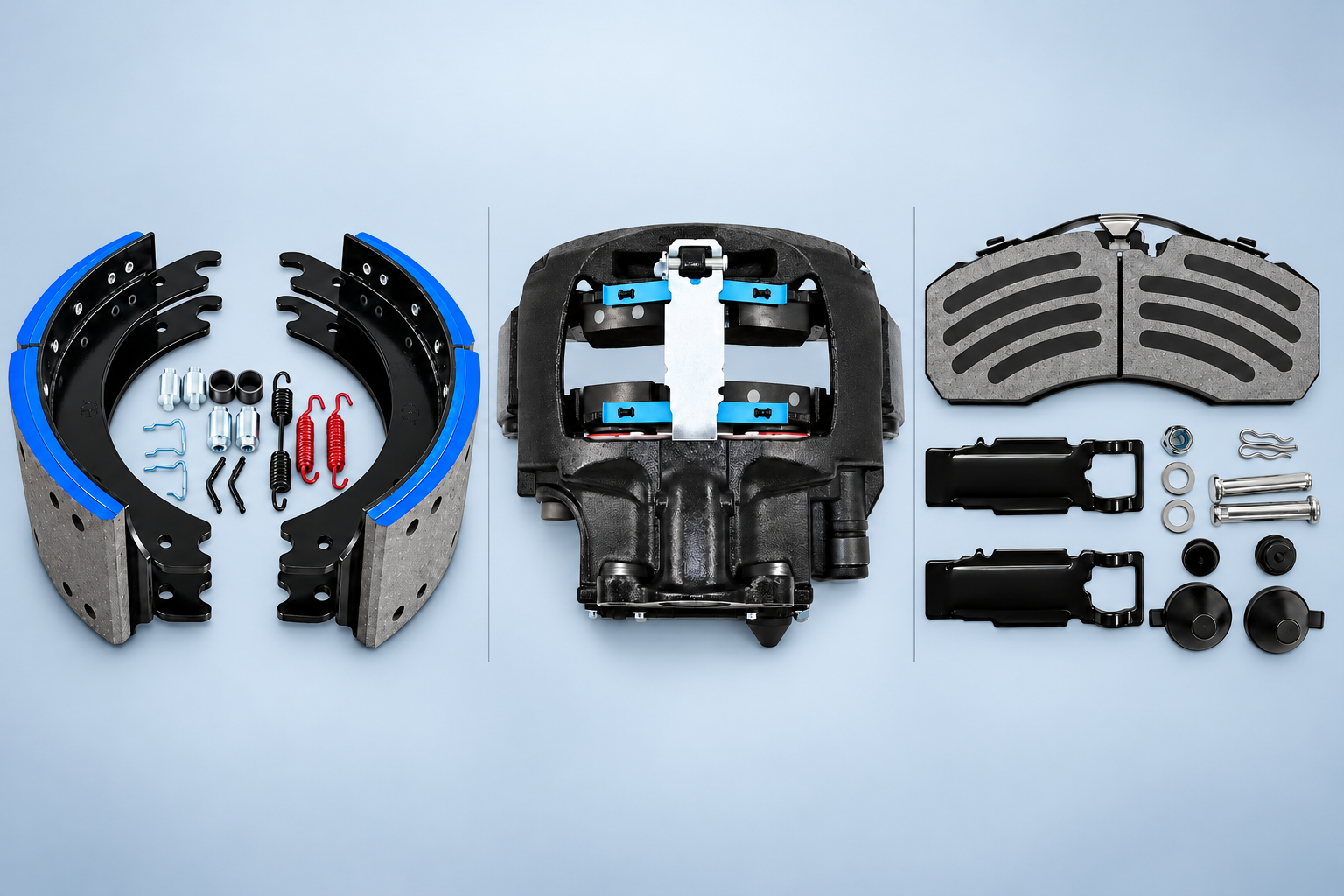
| Product type | Complete lined brake shoe assemblies, replacement drum brake linings, heavy-duty air disc brake pads, passenger car pads or hardware kits |
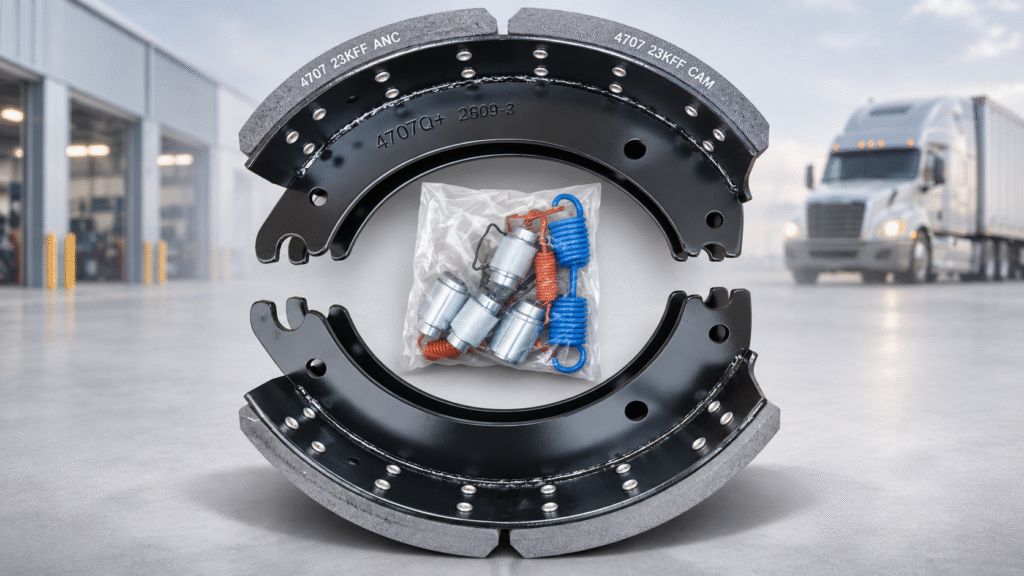
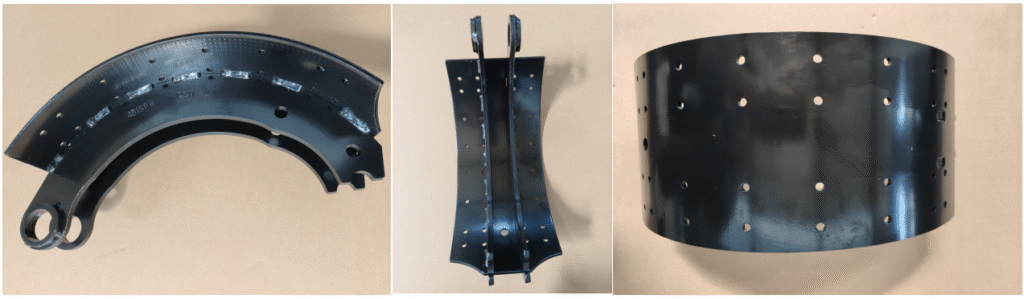
Take 4707, 4709 and 4515 brake shoes, for example. They’re all common references in the North American heavy-duty market, and each has a 16.5 × 7-inch version. But they’re designed for different brake systems, so you can’t just go by the size. The brake family, anchor-end design and friction requirements all need to be checked before confirming the right part. Below is an example of our 4707Q brake shoe assembly.
At Tuoba, our range includes 500+ commercial vehicle brake pad models, 1,000+ brake lining models and 300+ brake shoe models, along with 3,000+ passenger car brake pad applications. There’s quite a wide range to choose from, but you don’t need to go through the whole catalog at once. It’s much easier to start with the part numbers you already sell and the ones you’re looking to add.
Tuoba Brake Lining and Drum Brake Shoe Catalog (PDF, 26.8 MB)
Browse brake lining models, WVA references, dimensions, applications and drum brake shoes before you send an RFQ.
Check Fitment and Test Documents Before Confirming a Product
Part numbers are a good place to start, but they don’t tell you everything. Take the 4515, 4707 and 4709 brake shoes, for example. Their common configurations are all 16.5 × 7 inches, but that doesn’t mean they’re interchangeable. The 4515 is used with the Meritor Q brake, the 4707 with Meritor Q Plus, and the 4709 with Eaton ES or ES II. The shoe web, anchor ends, rivet patterns and hardware can all be different, so it’s worth checking these details against the actual brake configuration before placing an order. You should also pay attention to the differences between 4709E and 4709E2. Our 4707 vs 4709 vs 4515 brake shoes comparison takes a closer look at these differences.
| Shoe | Used with | Common configuration | Check before ordering |
|---|---|---|---|
| 4515 | Meritor Q brake | 16.5 × 7 in | Shoe web, anchor ends, rivet pattern and hardware against the actual brake configuration |
| 4707 | Meritor Q Plus | 16.5 × 7 in | Same checks |
| 4709 | Eaton ES or ES II | 16.5 × 7 in | Same checks, and whether you need 4709E or 4709E2 |
The same goes for lining ratings and compliance documents. A 20K or 23K rating relates to the axle-load test configuration for the lining. It doesn’t mean a different shoe size or friction code. Depending on the product and the market you’re selling into, you may need AMECA or LeafMark N documentation, SAE J661 or SAE J2975 test information, or FMVSS 121-related dynamometer reports. These documents don’t all serve the same purpose, so don’t just check whether a supplier has certificates. Make sure the product identification, friction material, brake size, test configuration and report scope actually match what you’re buying.
For example, Link Engineering independently tested Tuoba’s 4707 brake lining on a Meritor 16.5 × 7-inch S-cam drum brake in both 20,000 lb and 23,000 lb GAWR configurations. These reports cover the specific lining and test configurations involved, not every brake lining or shoe model in the range. You can take a look at the 4707 brake lining dynamometer test reports and our brake pad certifications guide for more details. If your customer has specific compliance requirements, it’s a good idea to share that checklist with the supplier before approving samples. That way, you can check what’s available early and avoid surprises later.
Need to check a specific product against your market’s documents? Send your part numbers to our team.
Approve a Sample Against the Agreed Specification
A sample is an important step before moving forward with a bulk order. Before approving it, make sure the part number, dimensions, brake configuration, friction material, hardware and packaging match your requirements.
At Tuoba, we currently offer paid samples only. We see a sample order as a first step toward a serious business relationship, so we take the time to go through the details with each customer before preparing anything. This includes the exact product model, technical specifications, vehicle application, material requirements, applicable compliance documents, hardware and outer packaging. We want to get as much as possible confirmed upfront, so neither side spends unnecessary time and effort on a sample that doesn’t meet the actual requirements.
- Confirm the exact product model, technical specifications, vehicle application, material requirements, applicable compliance documents, hardware and outer packaging.
- Receive actual photos of the finished samples, hardware kits and outer packaging.
- Check the details and confirm them. Shipment is only arranged after you confirm.
- Samples are sent via DHL.
- Keep the approved sample photos and specifications on file for repeat orders.
Before shipping, we’ll share actual photos of the finished samples, hardware kits and outer packaging for your final approval. We’ll only arrange shipment after you’ve checked and confirmed the details. This gives both sides a chance to catch any differences early and makes the next step much smoother.
For example, the photos below show a 4515P full axle set prepared for a customer. There were two sets in total (four brake shoes), along with two hardware kits: one prepared according to the customer’s requirements and another standard kit for testing purposes. We shared the actual photos with the customer so they could double-check everything before shipment. Once approved, the samples were ready to be sent via DHL.
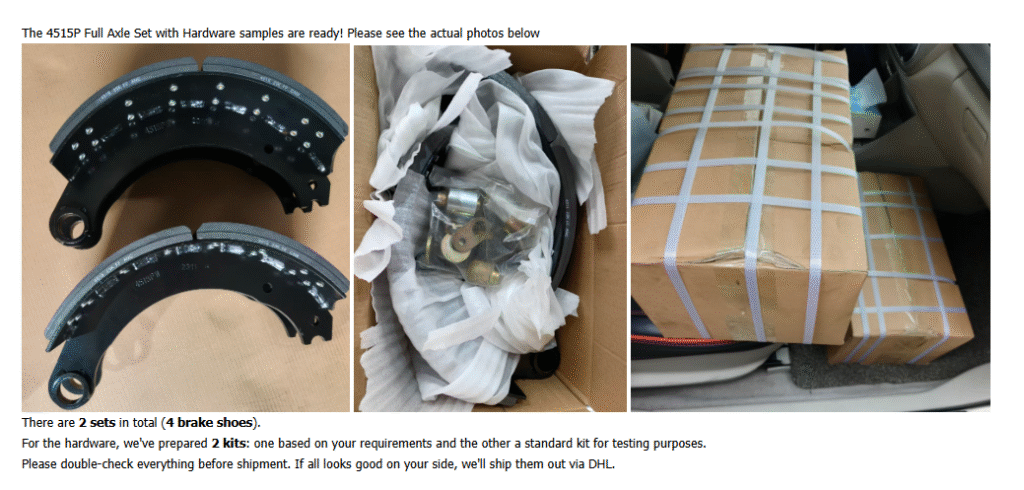
We also recommend keeping the approved sample photos and specifications on file. They provide a useful reference when discussing any changes or preparing a repeat order.
Ready to start with a sample? Send your product details to our team.
Planning a Factory Visit or Audit
If you’re thinking about visiting a factory before placing an order, it’s best to talk through your requirements first. Let us know which models you’re interested in, what vehicles they’re used on, your friction material requirements, estimated quantities and any specific documents or audit checklist you’d like to review. This gives us time to prepare the right production areas, samples and records, so your visit can focus on what you actually need to check. If you’re still planning your trip, our guide on how to prepare for a China brake pad factory visit may be helpful.
During the visit, it’s worth looking beyond the equipment itself. Check how incoming materials are inspected, how products move through production, what checks are carried out before shipment and whether testing and batch records are available. At Tuoba’s commercial vehicle brake manufacturing facility in Ningguo, Anhui, our testing equipment includes a DYNO Brake Inertia Dynamometer, an HY209A Krauss Friction Tester, an Original Krauss Friction Tester, an HY205 Brake Lining Compression Tester, a Brake Pad Shear Strength Tester, an Electronic Moisture Analyzer and an FZS4-4 Powder Tap Density Tester. These machines are used for different checks, so it’s worth asking which tests apply to the products you’re buying and how the results are recorded.
The photos below show two of the testing machines at our factory: the DYNO Brake Inertia Dynamometer and the HY209A Krauss Friction Tester.
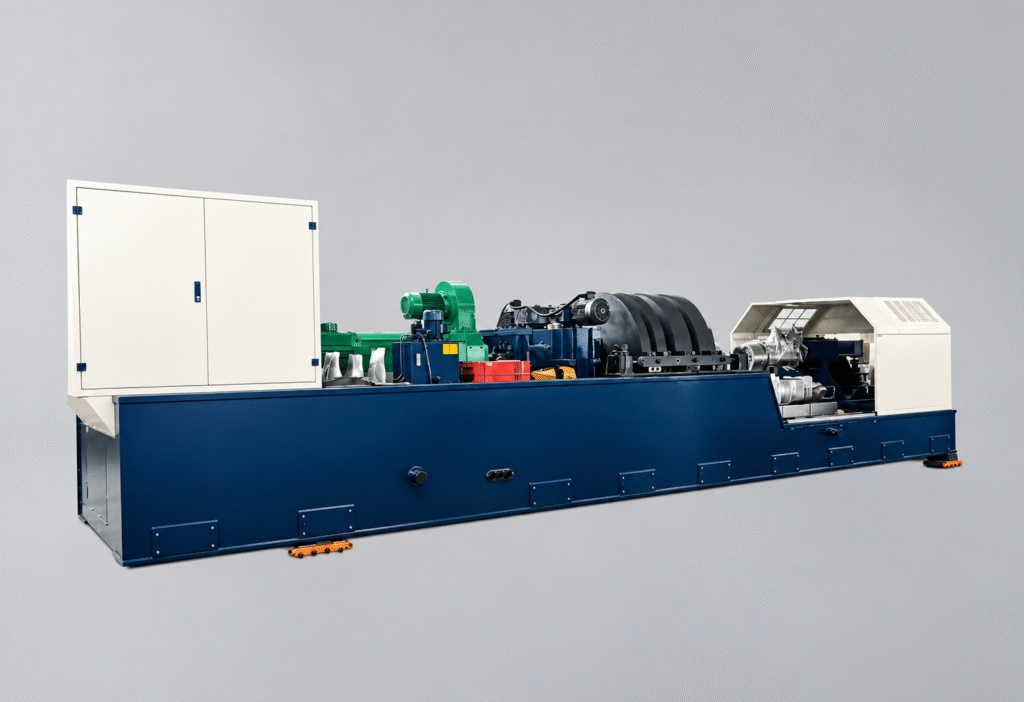
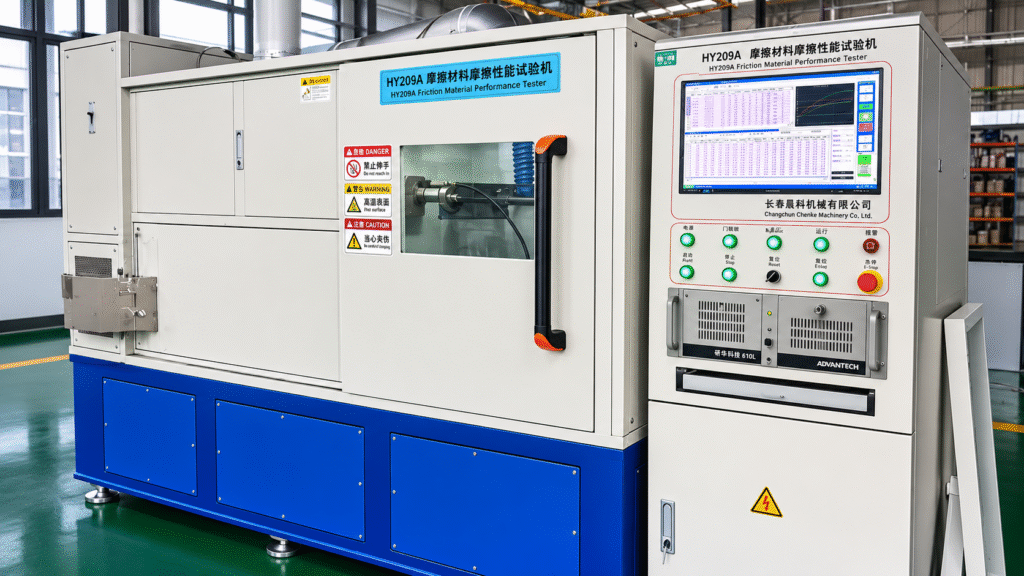
A factory visit is also a good time to talk about your purchasing plans. Are you planning one large order, or do you expect to reorder several times a year? Which models sell regularly, and which ones do you mainly need to complete your product range? Having a better idea of your order frequency and model mix helps us discuss production schedules and quantities that fit your actual needs.
Once we’ve agreed on the visit date and travel details, we can also discuss airport or high-speed rail station pickup and accommodation. Before coming, you can take a look at how our commercial vehicle brake pads are manufactured to get a better idea of our production process, or read more about Tuoba’s manufacturing background. If you’re mainly sourcing brake shoes, our brake shoe manufacturer page also has information about the models we make and our production capabilities.
Compare the Full Quotation, Not Just the Unit Price
Once the product and sample requirements are clear, compare what each quotation actually includes. Check the part number, friction specification, quantity by model, hardware, individual packaging, shipping terms, duties where applicable, production lead time and payment schedule. For private-label orders, confirm the logo, box artwork, product markings, cross-reference numbers and labels before production.
For Tuoba, the standard MOQ starts at 100 sets per part number, mixed-model orders are welcome, and the typical production lead time is 15–45 days depending on the products and quantities. The published standard payment arrangement is T/T, with a 30% deposit and 70% before shipment. The final terms should be confirmed in the quotation.
| Compare | Tuoba reference |
|---|---|
| Part number and friction specification | Confirmed in the quotation |
| Quantity by model | Standard MOQ starts at 100 sets per part number; mixed-model orders are welcome |
| Hardware and individual packaging | Confirmed in the quotation |
| Shipping terms and duties | Confirmed in the quotation |
| Production lead time | Typically 15–45 days, depending on the products and quantities |
| Payment schedule | T/T, 30% deposit and 70% before shipment |
| Private-label items | Logo, box artwork, product markings, cross-reference numbers and labels confirmed before production |
It’s also worth discussing how often you expect to reorder. Are you planning one large shipment, or several orders throughout the year? Which models sell quickly, and which are mainly needed to complete your range? That information helps make the product mix and production schedule more realistic. You can find more details about our wholesale brake pad solutions for distributors and private-label brake pad programs.
Comparing quotations? Send us your list and we will confirm these items in the quotation.
Use Delivery Feedback to Plan the Next Order
The first shipment also gives both sides useful information for the next one. After delivery, keep track of feedback about product identification, packaging, fitment, installation and actual market demand. If a quality issue is reported, the part number, production batch, photos and brake application will help the factory review the relevant records and investigate what happened.
Sales feedback matters too. Some brake shoe references may move faster than expected, while others sell more slowly. Use those figures to adjust quantities and the model mix for repeat orders. Keeping the approved sample, specifications and previous order records together also makes it easier to confirm whether anything has changed before the next production run.
If you’re still comparing suppliers or considering working with Tuoba, you may have a few more questions about our products, pricing, samples, certifications or factory visits. Here are some of the questions buyers often ask us, along with a few details that may help you make your decision.
Frequently Asked Questions
Is Tuoba a brake pad and brake shoe manufacturer or a trading company?
Tuoba is a brake product manufacturer with its own production facilities. Our commercial vehicle brake products are manufactured at our facility in Ningguo, Anhui. We’ve been manufacturing brake products since 2006, with OEM supply programs for SHACMAN and FAW Jiefang, and CIMC as a strategic partner. You can see how our commercial vehicle brake pads are manufactured and learn more about Tuoba’s manufacturing background.
What information should I provide when requesting a quotation?
A part-number list is the best place to start. Include the FMSI or OE references, vehicle applications and estimated quantities for each model. If you have product photos or drawings, send those too. This helps us check the right products and avoid unnecessary back-and-forth when preparing your quotation.
How much do commercial vehicle brake shoes and brake pads cost?
There isn’t one fixed price for every model. Pricing depends on the part number, friction material, order quantity, hardware, packaging and delivery terms. If you want a complete quotation, send us your model list, quantities and delivery destination so we can work out the costs based on your actual requirements.
Are 4515, 4707 and 4709 brake shoes interchangeable?
No. Although they have common 16.5 × 7-inch configurations, they’re designed for different brake systems. The 4515 is associated with Meritor Q, the 4707 with Meritor Q Plus, and the 4709 with Eaton ES or ES II. Always check the actual brake configuration and shoe details before ordering.
What test reports and certificates should I ask a brake lining manufacturer for?
Depending on the product and target market, buyers may need to check applicable AMECA or LeafMark N documentation, SAE J661 or SAE J2975 test information, and FMVSS 121-related dynamometer reports for the specific brake configuration. These documents serve different purposes, so make sure each one matches the product and application you’re buying.
Does Tuoba offer free samples?
We currently offer paid samples only. Before preparing a sample, we’ll go through the product model, specifications, application, material, compliance documents, hardware and packaging with you. We’ll also share actual photos of the finished samples for your approval before arranging shipment by DHL.
Can I visit or audit Tuoba’s factory before placing an order?
Yes. We welcome customers who want to visit our factory and learn more about our production and quality control processes. We recommend arranging the visit in advance and sharing the models, applications, material requirements, estimated quantities and any audit checklist beforehand. This gives us time to prepare the relevant production areas, equipment and records for your visit. We can also discuss airport or high-speed rail station pickup and accommodation once your travel plans are confirmed.
What are the MOQ, lead time and payment terms for wholesale brake parts?
Our standard MOQ starts at 100 sets per part number, and mixed-model orders are welcome. Production usually takes 15–45 days, depending on the models and quantities. Our standard payment terms are T/T, with a 30% deposit and 70% before shipment. Final details are confirmed in the quotation. You can also explore our wholesale brake pad solutions for distributors.
Can I order private-label brake pads?
Yes. We can discuss private-label requirements, including your logo, box design, product markings, cross-reference numbers and packaging labels. These details are confirmed before production. Take a look at our private-label brake pad programs for more information.
Related reading
- 30 Commercial Vehicle Brake Shoe Manufacturers and Industry Suppliers
- Heavy Duty Drum Brake Shoes Manufacturer
- Why Global Buyers Are Choosing China for Brake Pads
- Tuoba Brake Lining and Drum Brake Shoe Catalog (PDF, 26.8 MB)
Meeting Brake Parts Suppliers at AAPEX 2026
Will you be at AAPEX 2026 in Las Vegas, November 3–5? If you’re sourcing brake pads, brake linings or brake shoe assemblies for the U.S. market, bring your part-number list, estimated quantities and any fitment, testing or packaging requirements.We can go through the details together and discuss whether samples, technical documents or a quotation would be the next step. You can also explore our brake pad solutions for OEM, fleet, distributor and private-label customers before the show.
To arrange a meeting, Contact our team. If you won’t be attending, you can still send your product list to info@tuobapro.com or reach us on WhatsApp at +86 191 5428 3016.
Reviewed by: Robert, Chief Executive Officer, Tuoba Auto Parts
Technical basis: FMVSS No. 121 (49 CFR 571.121) · SAE J661 · SAE J2975