China Has Become a Major Hub for Global Brake Pad Manufacturing
Over the past twenty years China has become one of the world’s most important places to build vehicles. According to the International Organization of Motor Vehicle Manufacturers (OICA), it is still the world’s largest vehicle production market, and its auto industry plays a major role in global manufacturing and supply chains.
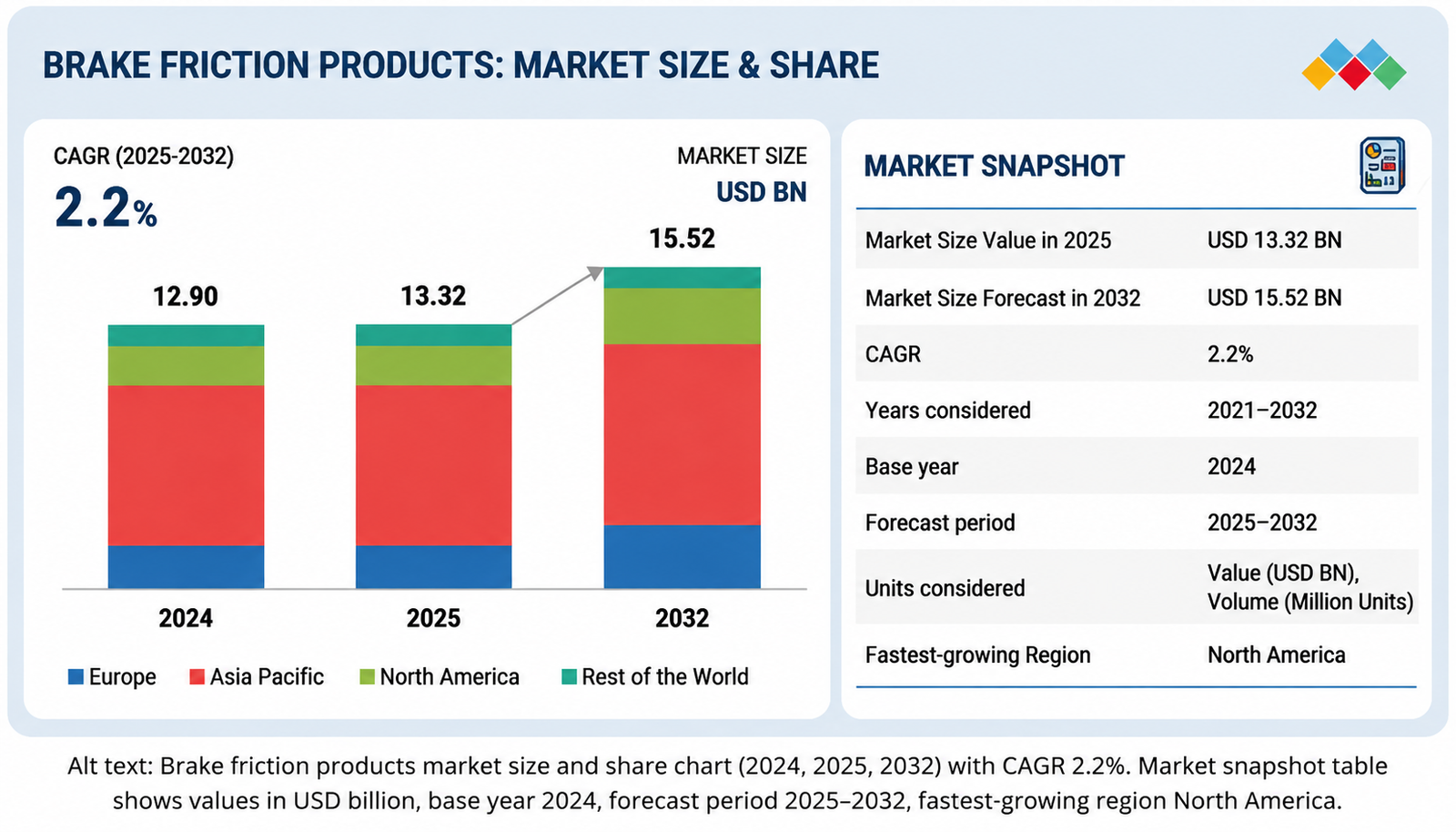
That base pulled China’s brake friction industry along with it. According to MarketsandMarkets’ automotive brake friction products market research, the global automotive brake friction products market is projected to grow from USD 13.32 billion in 2025 to USD 15.52 billion by 2032, driven by vehicle demand, tighter safety rules and new friction materials.
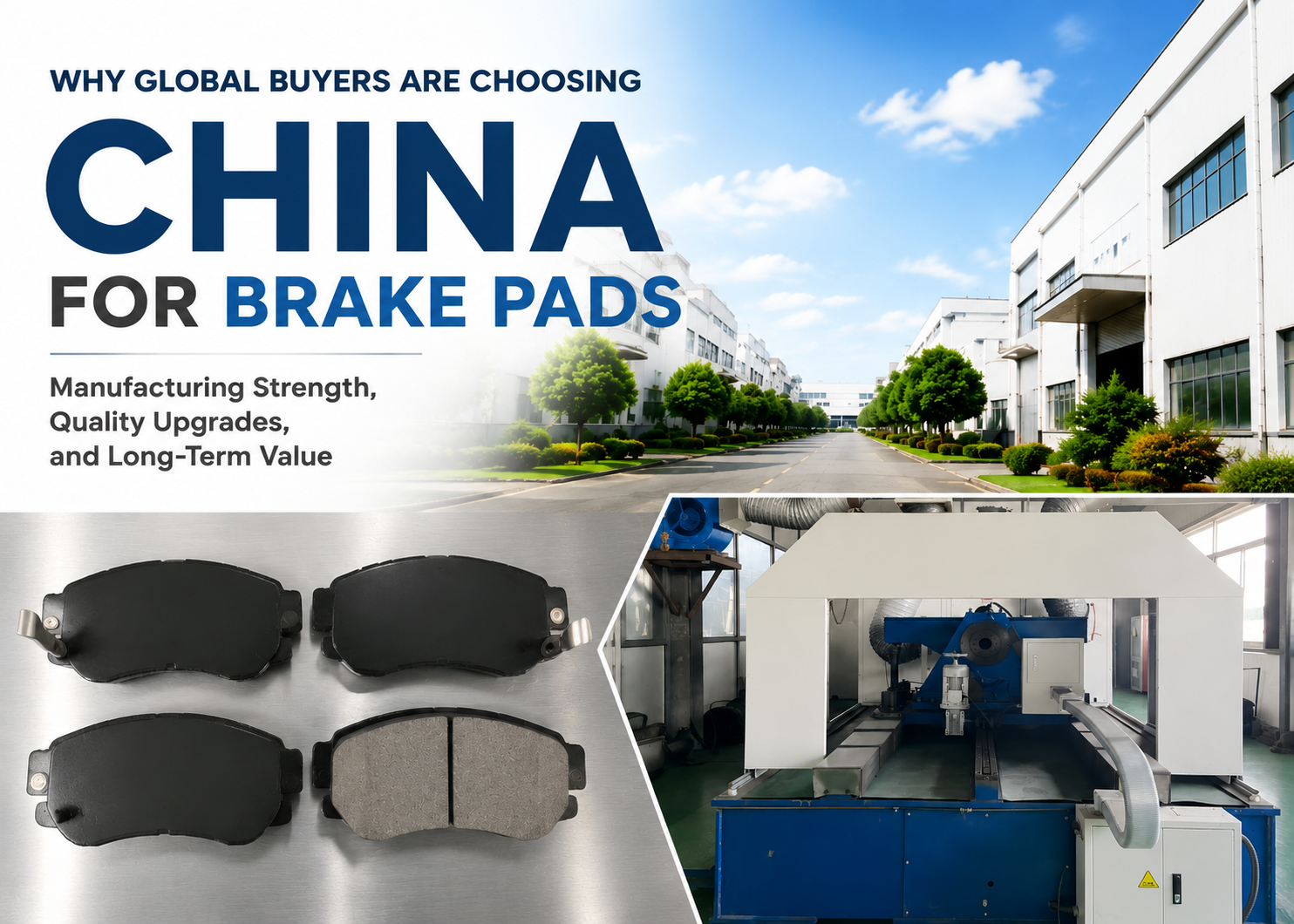
Because so many vehicles are built here, China now has a complete brake component supply chain: raw materials, friction material development, production equipment, testing and international logistics. That’s why many international buyers now work with a China brake pad manufacturer for reliable capacity, flexible production and brake products customized for their markets.
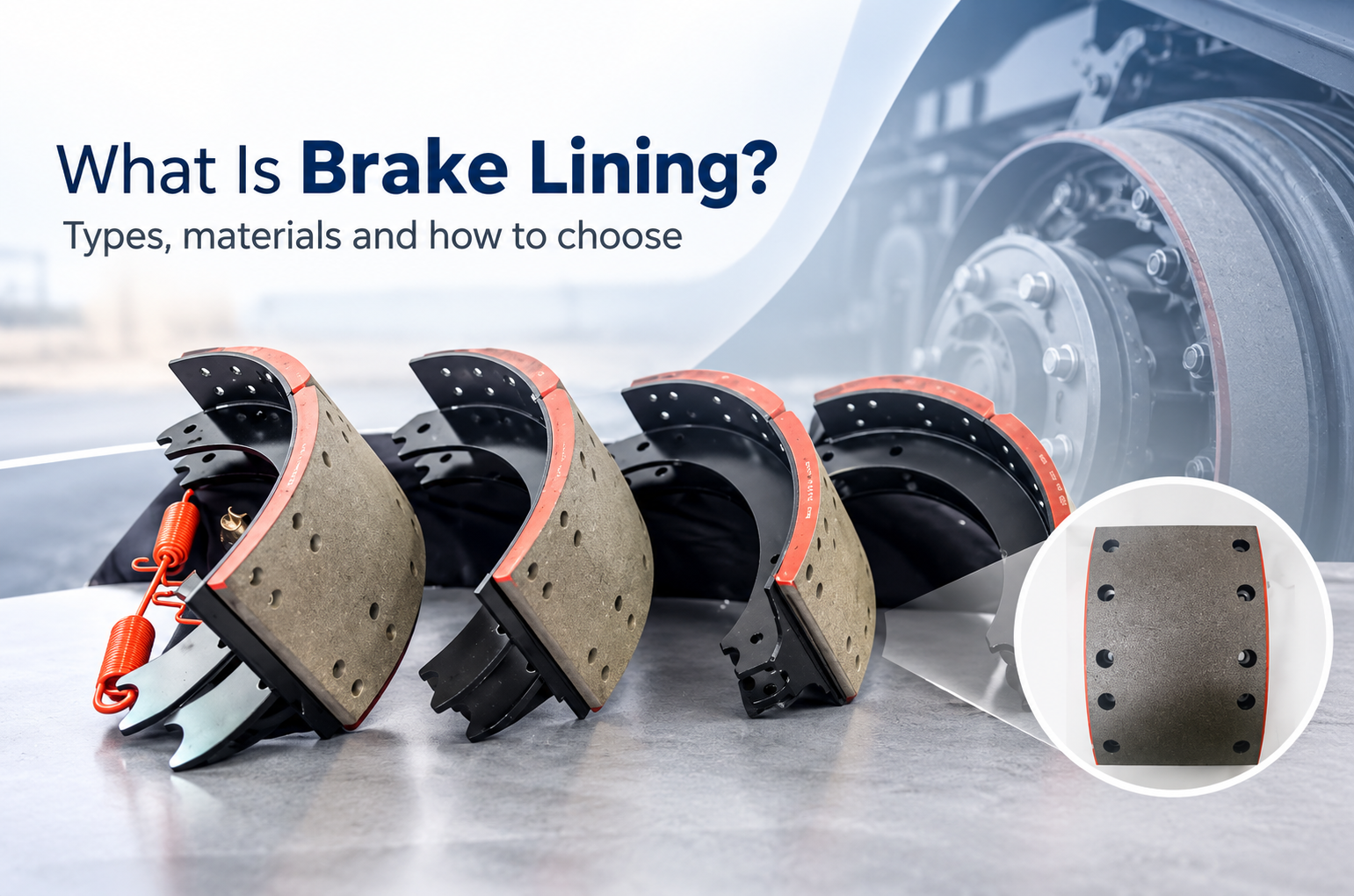
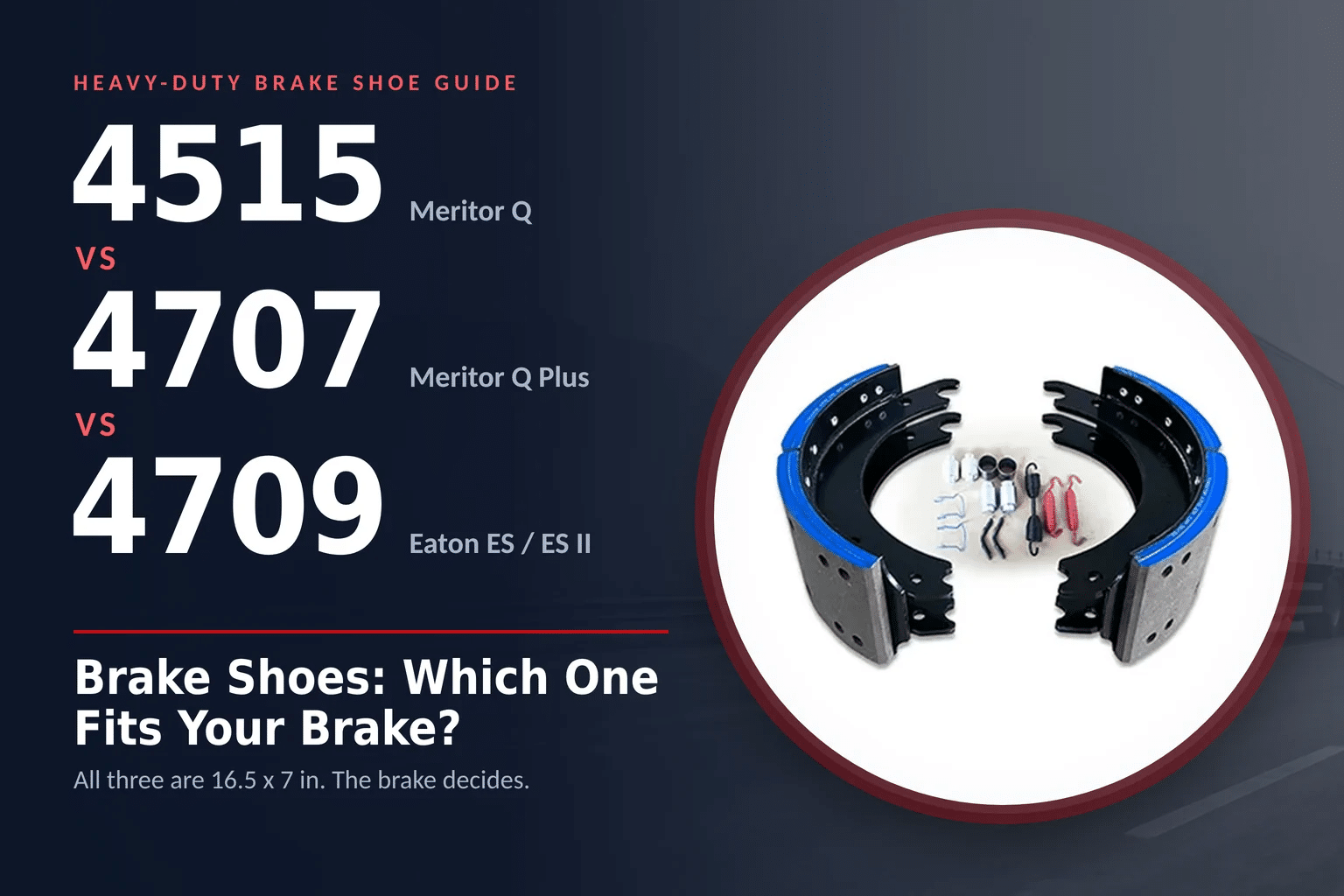
Chinese factories now make the full range: passenger vehicle brake pads, commercial brake pads, truck brake linings, brake shoes and custom friction products. For distributors, importers and aftermarket brands, buying from China isn’t just about cost anymore. The questions now are capability, consistency, technical support and whether the relationship will last.
Buyers want more than a catalog. They need a partner who understands their vehicle applications, can support OEM projects and private label programs, and keeps quality steady order after order. Working with an experienced custom brake pad manufacturer lets you build products for your own market and cut sourcing risk at the same time.
Put together, material suppliers, manufacturing know-how, test labs and logistics now sit in one connected ecosystem. That’s a big part of why international companies keep shortlisting Chinese manufacturers.
Why More Buyers Are Visiting China to Source Brake Pads
Beyond Price: What Global Buyers Look for in Chinese Brake Manufacturers
Early on, most companies looked at Chinese suppliers for one reason: price. That has changed. As the aftermarket gets more competitive, experienced buyers no longer pick on unit cost alone. They look at manufacturing capability, engineering support, quality systems, production consistency and whether the supplier can keep supplying for years.
A brake pad isn’t just a replacement part. The real question isn’t whether a supplier can make brake pads. It’s whether quality and performance hold once your orders scale up. Brake pads that test well as samples and then drift in the third container are exactly what every importer is trying to avoid.
To do that, a manufacturer has to control materials, processes and quality from start to finish. Friction material development, process control, testing and inspection all show up later as reliability, durability and customer satisfaction.
So experienced buyers look past samples and quotes. A sample shows what a supplier can do once. Only a well-controlled production system repeats it across thousands of units. For distributors, fleet operators and private label brands, unstable quality means complaints, warranty claims, extra cost and a damaged reputation.
Before committing long-term, buyers usually review a supplier’s technical capability, quality systems and production management. Certifications and testing matter too, because they show whether the factory has real procedures for validating performance. Our brake pad certifications page covers these checks in more detail.
That’s why more buyers now visit factories before they sign anything. A visit shows you what a supplier can really do: the lines, the lab, the test procedures, the quality system and the people running it.
Seeing it in person tells you how raw materials are handled, how the process is controlled and how pads are inspected before they ship. That’s hard to judge from a sales deck. Ask to see the raw material store, the presses running and the final inspection bench, not just the showroom.
The video below takes you inside Tuoba’s brake workshop: the production floor, daily operations and the processes behind the pads we ship to customers around the world.
A visit gives you a clearer view of what sits behind a supplier’s products, from experience and technical depth to consistency and reliability. Most buyers come away far more confident about whether to go ahead.
In the end, choosing a brake manufacturer isn’t just a purchase. You’re picking a partner who has to support your growth, deliver the same quality every time and still be useful to you five years from now.
Why OEM and Private Label Projects Are Growing in China
The global aftermarket keeps getting more crowded, and distributors, importers and regional brands are under pressure to stand out. Instead of fighting on price alone, many want brake products that fit their market, their customers and their vehicle mix better. That’s what is driving demand for private label brake pads, OEM cooperation and customized brake solutions.
A private label program today is more than a logo on someone else’s box. It needs a manufacturing partner who can help with product selection, friction material development, packaging, technical documents, quality control and consistent production over time. A supplier that can turn your market’s needs into a reliable product is a big part of whether the brand succeeds.
This is where an experienced custom brake pad manufacturer earns its keep. Instead of selling only catalog items, a capable factory works with you on vehicle models, operating conditions, local regulations and positioning. That gives your brand something real to stand on, so you’re not stuck in markets where price is the only lever.
Demand for custom work is strongest in commercial vehicles. Heavy-duty trucks, buses, trailers and fleet vehicles run heavier loads, longer hours, more braking cycles and higher temperatures. For these, buyers need friction materials with stable performance, predictable wear and reliable service life.
From a purchasing point of view, OEM and private label cooperation gives you more than a custom product. You get a closer relationship with the factory, more control over your supply chain and products that fit your customers better. As competition grows, manufacturers that combine capacity, engineering and quality management are the ones buyers hold on to.
Where Are China’s Major Brake Pad Manufacturing Bases Located?
China’s brake industry isn’t concentrated in one place. Over decades, different areas grew their own specialized clusters, shaped by local industry, transport links, customer markets and supply chains.
Knowing how those regions differ helps when you shortlist suppliers. Where a manufacturer is based often says something about its product focus, customer base, technical depth and strengths.
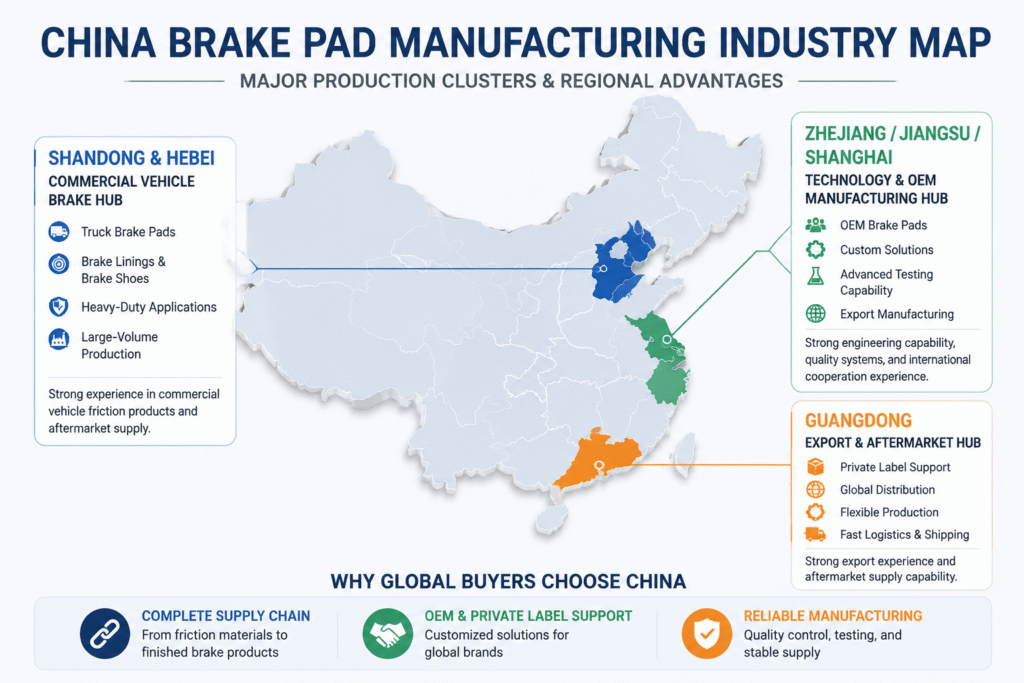
The main brake manufacturing clusters in China are Shandong and Hebei, the Yangtze River Delta (Zhejiang, Jiangsu and Shanghai) and Guangdong. Each has its own edge, from heavy-duty commercial vehicle work and large-scale production to technology-driven manufacturing, OEM cooperation and export-oriented aftermarket supply.
Location alone shouldn’t decide it, though. Understand what each region is good at, then pick a partner that fits your vehicle applications, customization needs, certification requirements and long-term plans.
Shandong and Hebei: Traditional Commercial Vehicle Brake Manufacturing Regions
Shandong and Hebei have long been major auto parts regions, especially for commercial vehicles. Their growth is tied to China’s huge transport network, logistics industry and truck population.
These northern provinces have a strong industrial base, established aftermarket networks and easy access to major freight routes. Local manufacturers have spent years supplying truck fleets, repair markets, trailer builders and commercial vehicle distributors.
Because of that background, many manufacturers in Shandong and Hebei specialize in commercial vehicle friction products: truck brake linings, heavy-duty brake shoes, trailer brake components and other parts built for hard use. Durability, load capacity, wear resistance and cost all matter in these applications.
If you’re looking for truck brake pads, commercial vehicle friction products or replacement parts for transport fleets, suppliers here often win on scale and efficiency. Years of heavy-duty work mean they understand vehicles running high loads, long distances, frequent braking and rough roads.
They’re also set up for large-volume aftermarket demand. Many have mature production and supply systems built for distributors and repair networks that need steady availability at competitive prices. For a distributor stocking hundreds of lining and shoe references, that steady supply matters a lot.
Still, look past volume and price. Manufacturers in the same region can be very different. Some stick to traditional replacement products. Others have invested in test equipment, quality systems, certifications and custom development.
For international buyers, export experience, production consistency, technical support and the ability to meet your market’s requirements all need checking before you commit. Ask how long they’ve exported to your region, which certificates they hold for your market and who handles technical questions after the order ships.
If your focus is heavy-duty commercial vehicles and large-scale supply, Shandong and Hebei are still key regions to look at.
Zhejiang, Jiangsu, and Shanghai: Technology-Oriented Manufacturing and Global Supply Chain Advantages
The Yangtze River Delta, covering Zhejiang, Jiangsu and Shanghai, is one of China’s most advanced and export-oriented manufacturing clusters. A deep automotive supply chain, strong engineering talent, good infrastructure and close links to overseas markets have made it a base for technology-driven component manufacturing.
Many manufacturers here grew differently from the volume-driven regions. They put more weight on product development, manufacturing technology, quality management and what international customers ask for.
Geography helps. Shanghai is one of China’s most important trade and logistics hubs, and Zhejiang and Jiangsu have dense networks of auto parts suppliers, machinery makers, material suppliers and industrial services. That makes it easier for factories here to respond quickly and take on more complex projects.
Many brake manufacturers in this region focus on higher-value work: OEM programs, customized friction materials, passenger vehicle brake pads, commercial brake solutions and export products. Compared with plants built around the traditional aftermarket, they usually put more emphasis on engineering, process control, testing and international standards.
If you need an ISO certified brake pad manufacturer or a supplier that can handle custom projects, the Yangtze River Delta is a good place to start. Factories here are usually better set up for product development, technical communication, certification work and long-term cooperation with overseas customers.
Tuoba Auto Parts is one example. Our commercial vehicle brake parts, including brake pads, brake linings and brake shoes, are made at our plant in Ningguo, Anhui Province, on the western edge of the Yangtze River Delta. That puts us inside the same supplier network as Zhejiang, Jiangsu and Shanghai, with export shipments going out through ports like Shanghai and Ningbo.
We have long experience in friction material development and brake component manufacturing, and we support customers through development, production, testing and OEM/private label work. Our focus is steady quality across different vehicle applications, especially commercial vehicles and the aftermarket.
Manufacturers in this region, Tuoba included, have moved past pure volume toward engineering, testing and custom development. For buyers who want a technical partner rather than a catalog, that is the main reason to look here.
Guangdong: Export-Oriented Automotive Parts Manufacturing Hub
Guangdong has long been one of China’s strongest export regions. It sits in the south, close to major shipping routes, and has built real strengths in global trade, logistics and overseas cooperation.
Its manufacturing base grew up around international trade. Many auto parts companies here have years of experience with overseas distributors, importers and aftermarket brands, and they tend to be good at export communication, packaging customization, flexible production and quick responses to market changes.
In brakes, Guangdong manufacturers mostly serve the passenger vehicle aftermarket, private label programs and international replacement parts distribution. Their strengths are usually product variety, flexibility and adapting products to different regional requirements.
If you’re building an aftermarket brand or widening your range, Guangdong suppliers can help with customized packaging, flexible order handling and trade experience. That’s especially useful when you need fast communication and a supplier that adapts easily.
Guangdong developed differently from the regions focused on heavy-duty commercial vehicles, though. Many factories export well, but if you’re specifically after heavy truck brake linings, specialized commercial vehicle friction products or application-specific solutions, check carefully that their product range and technical depth actually match.
Guangdong’s strength is export flexibility, market responsiveness and international customer experience. Other regions may be stronger in heavy-duty manufacturing or engineering-led production.
In the end the region matters less than the supplier. Find one whose technical capability, product range, quality system and market experience fit what your business needs. A strong cluster doesn’t guarantee a strong supplier, and a good supplier can sit outside the obvious cluster.
How China’s Brake Pad Industry Is Moving Toward Technology-Driven Manufacturing
China’s brake pad industry is changing. Large-scale capacity is still a traditional strength, but competition is shifting from volume to technology, consistency and custom engineering.
For years, Chinese manufacturers were known mainly for low cost and big volumes. Buyers expect more now. Global distributors, vehicle manufacturers and aftermarket brands want stable performance, technical support and products developed for their market.
One of the biggest shifts is in brake pad technology. A modern brake pad has to balance friction stability, noise, heat resistance, wear and environmental rules all at once. Manufacturers with strong material development are better placed to support customers across different vehicles and operating conditions.
This matters most in commercial vehicles. As global logistics, transport fleets and heavy-duty operations keep growing, so does demand for commercial brake pads, bus brake pads and heavy-duty brake shoes.
At the same time, China is becoming more attractive for OEM and private label cooperation. International companies aren’t just looking for factories that can copy existing products. They want partners who take part in development, handle customization and offer flexible production for different markets.
China’s advantage today isn’t only scale. It’s the ability to pair production capacity with engineering, quality systems and custom development. For buyers, that means you can ask for more than a price list: test data, development support and a formula tuned to your market.
How to Prepare for a China Brake Pad Factory Visit
A factory visit is only useful if the factory knows what you came to check. Most wasted trips have the same cause. The buyer arrives with a general interest and leaves with a general impression.
Before you travel. Send your part numbers, drawings or samples, target market and the certificates you need a couple of weeks ahead. That gives the factory time to pull the matching test reports and set up the lines you actually care about. Ask for a written agenda. If the shortlist is long, start with a live video walkthrough and only fly to the two or three factories that pass it.
Pick the region by product. Heavy-duty lining and drum brake shoe suppliers cluster in Shandong and Hebei. Engineering-led and OEM-oriented plants are more common around Zhejiang, Jiangsu and Shanghai. Guangdong is strongest in export-ready passenger car aftermarket ranges. Plan the route so you aren’t crossing the country between visits.
On the floor, ask to see:
- The raw material warehouse and the incoming inspection lab, with records for a recent lot
- Mixing, pressing and finishing running on a real order, not a demo batch
- Test equipment in use: dynamometer, shear tester, compressibility tester
- Final inspection and packing, including how batch codes link back to production records
A simple test: pick a batch number off a finished box and ask them to walk you back through its records. A real factory can do that in minutes.
After the visit. Order samples of your actual part numbers, then compare the first production shipment against those samples. That comparison tells you more than the visit did. For the detailed questions to ask a supplier, see our guide to choosing a China brake pad manufacturer. For what to check at each production step, see our brake pad production line audit guide.
Building Long-Term Partnerships With the Right Brake Manufacturer
As the industry evolves, good sourcing is less about the cheapest supplier and more about a manufacturing partnership you can rely on. Buyers increasingly want factories that combine technical expertise, stable production, quality control and the flexibility to customize. Price still matters. It just isn’t the only thing that decides whether a program works.
Whether you’re after commercial brake pads, truck brake solutions, OEM projects or private label brake pads, the right partner gives you more than finished parts. A capable supplier helps with product development, makes your supply chain more reliable, lowers sourcing risk and helps you build products that compete in your market.
With commercial vehicle production in Ningguo, Anhui, Tuoba Auto Parts makes brake pads, brake linings, brake shoes and custom friction products. We work with global customers from product development and testing through to OEM and private label production.
We combine modern production, quality management, testing and application-based development to build brake products for different vehicles and markets. Our customers are international distributors, fleet operators and automotive brands that need stable quality, reliable supply and customized support.
If you’re looking for a trusted China brake pad manufacturer or an experienced partner for customized brake solutions, a professional manufacturer can help you build a stronger, more reliable supply chain.
The future of brake sourcing belongs to manufacturers that combine production experience with engineering, consistent quality and real cooperation. Pick the right partner now and you’ll be in a much stronger position as the market keeps changing.