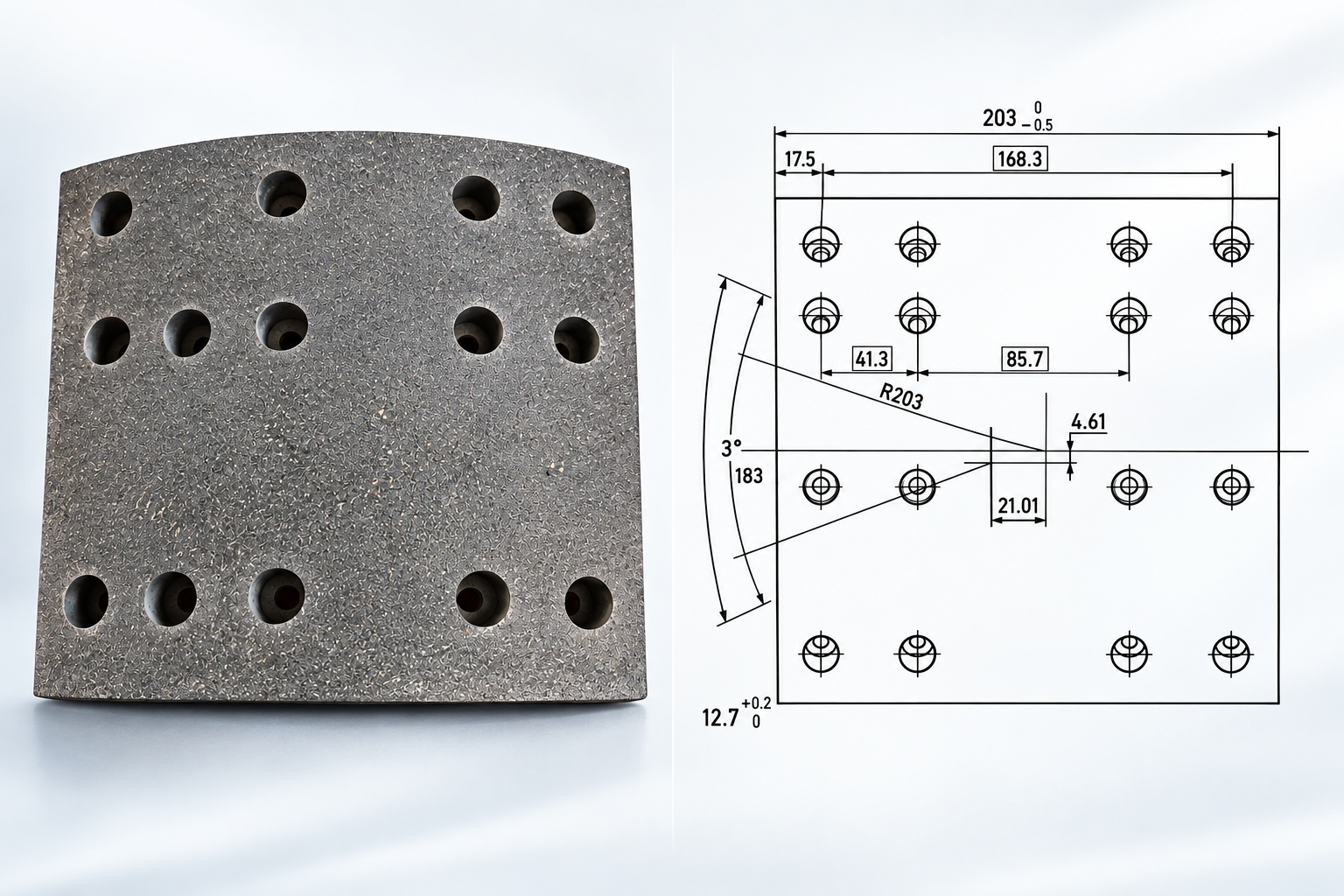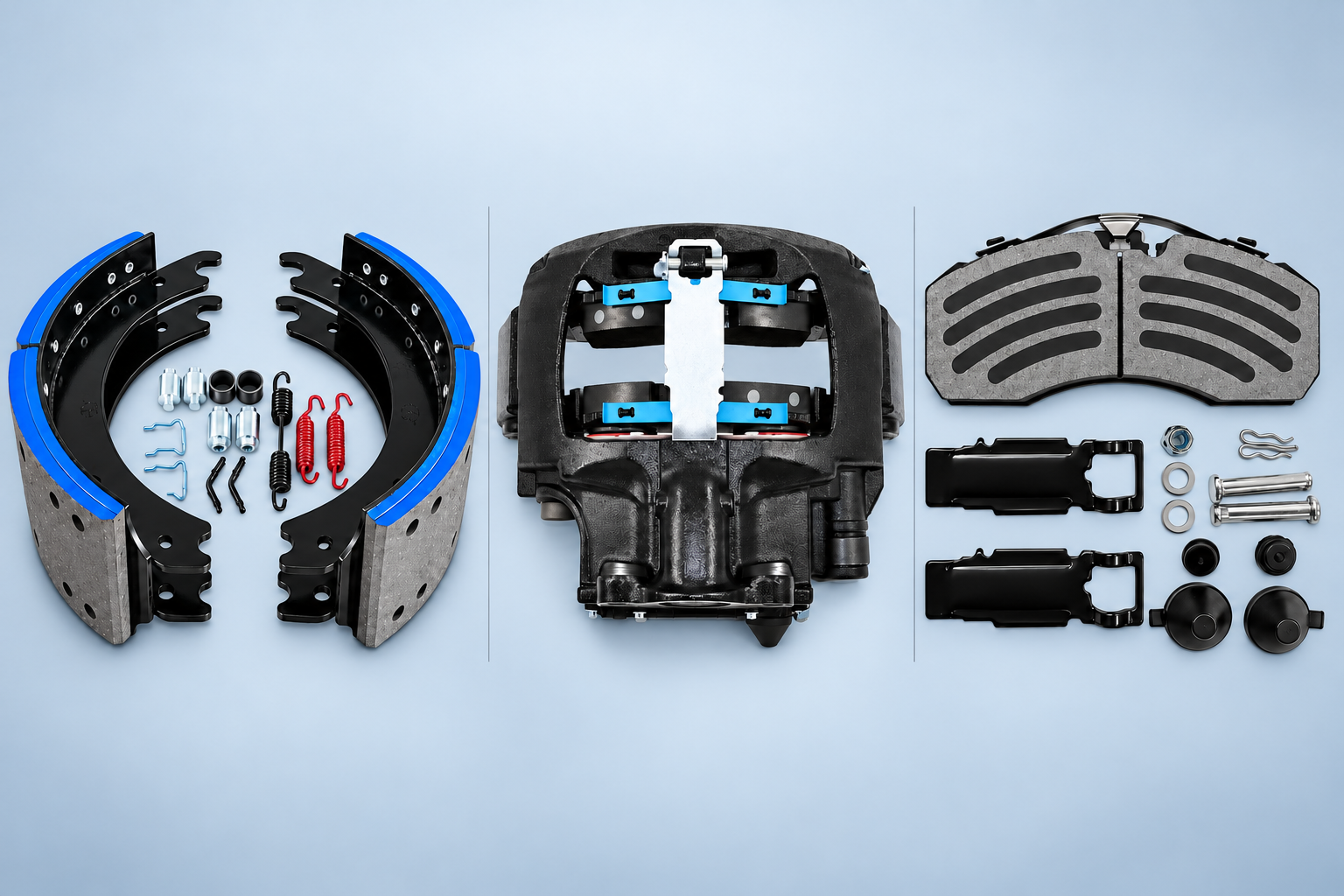
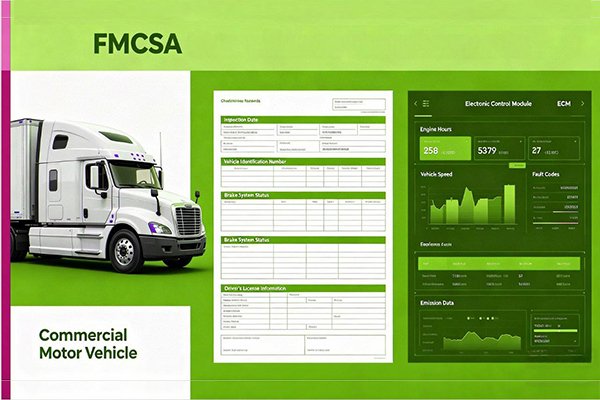
In FMCSA’s Large Truck Crash Causation Study, brake problems were recorded as an associated factor in about 29% of the large truck crashes studied. That statistic alone should concern every fleet manager and maintenance technician in the industry. Commercial vehicle brake failure is not a rare event — it’s a persistent and preventable crisis.
These heavy-duty rigs need 20–40% more stopping distance than a standard passenger car. Their air brake systems operate at 100–120 psi, a completely different setup from the hydraulic brakes you find on sedans and SUVs. That difference in design means truck brake problems demand specialized knowledge and constant attention.
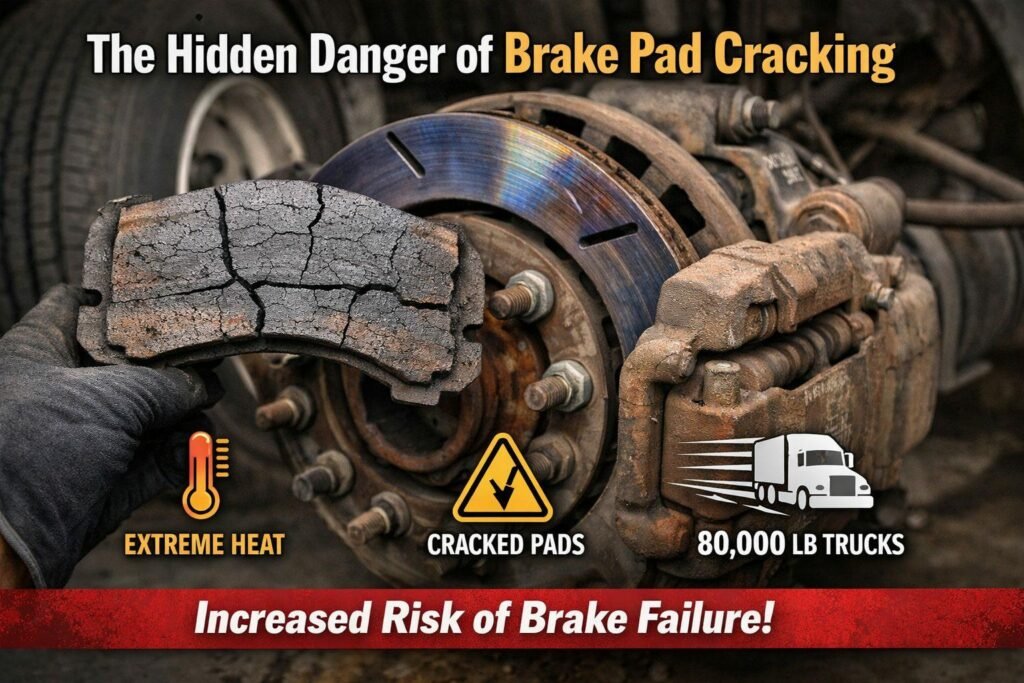
At the heart of many failures is a quiet but destructive process — brake pad cracking. Extreme friction generates intense heat every time a driver applies the brakes. Over thousands of stops, that heat becomes the primary enemy of pad integrity. When you’re responsible for 80,000-pound vehicle safety, understanding why pads crack isn’t optional — it’s essential.
This guide walks you through the surprising causes behind brake pad cracking, the warning signs you need to catch early, and the maintenance strategies that keep your fleet safe and compliant.
Cracked Brake Pads, Shoes and Drums: When to Replace
Not every crack means the part is done. Fine surface cracks show up on hard-working brakes all the time, and you just keep an eye on them. A crack that reaches an edge, goes down to the steel, or lets the friction material move is different. Replace it. Here’s the quick way to tell them apart:
| Part | Usually OK to monitor | Replace now |
|---|---|---|
| Disc brake pad | Fine hairline cracks on the surface that don’t reach the edges or the backing plate. | Cracks that run to an edge or down to the plate, chunks missing, or the friction block loose on the plate. |
| Drum brake lining | Small surface cracks away from the rivet holes, with the lining still tight on the shoe. | Cracks through to the shoe or between rivet holes, missing pieces that expose a rivet, loose lining, or lining soaked with oil or grease. |
| Brake shoe (steel) | Nothing. A shoe should have no cracks. | Any crack in the shoe table or web. |
| Brake drum or rotor | Fine heat checks on the friction surface. | Any external crack, a crack that opens when the brakes are applied, or a drum worn past its maximum diameter. |
In the US, the FMCSA periodic inspection standards (49 CFR Part 396, Appendix A) fail lining that isn’t firmly attached or is saturated with oil, grease or brake fluid. They also fail any drum or rotor with an external crack or a crack that opens when the brakes are applied. Always replace pads and linings in axle sets, so both sides brake the same.
Find the cause before the new set goes on. Most cracked pads come back to heat, and the heat usually comes from somewhere else: a sticking caliper or seized slide pins on an air disc brake, a spring brake that doesn’t fully release, a brake out of adjustment, or pads run down too thin. Swap the pads without fixing that, and the new ones crack too.
- Can you drive with cracked brake pads? With fine surface cracks, yes, but check them again at the next service. With cracks to the edge or the plate, missing chunks or a loose block, no. Park it and replace the axle set.
- Is it common for brake pads to crack? Surface cracking is common on trucks that brake hard and often. Deep cracks aren’t normal. They point to overheating, a dragging brake or a bonding problem.
The Hidden Crisis: Understanding Brake Pad Failures in Commercial Vehicles
Brake pad failures in commercial trucks are not rare events. They represent a widespread safety threat that puts drivers, fleets, and the public at risk every single day. The numbers paint a troubling picture — one that you need to understand if you manage or maintain a fleet of heavy vehicles.
The Scale of the Problem: CVSA Inspection Data
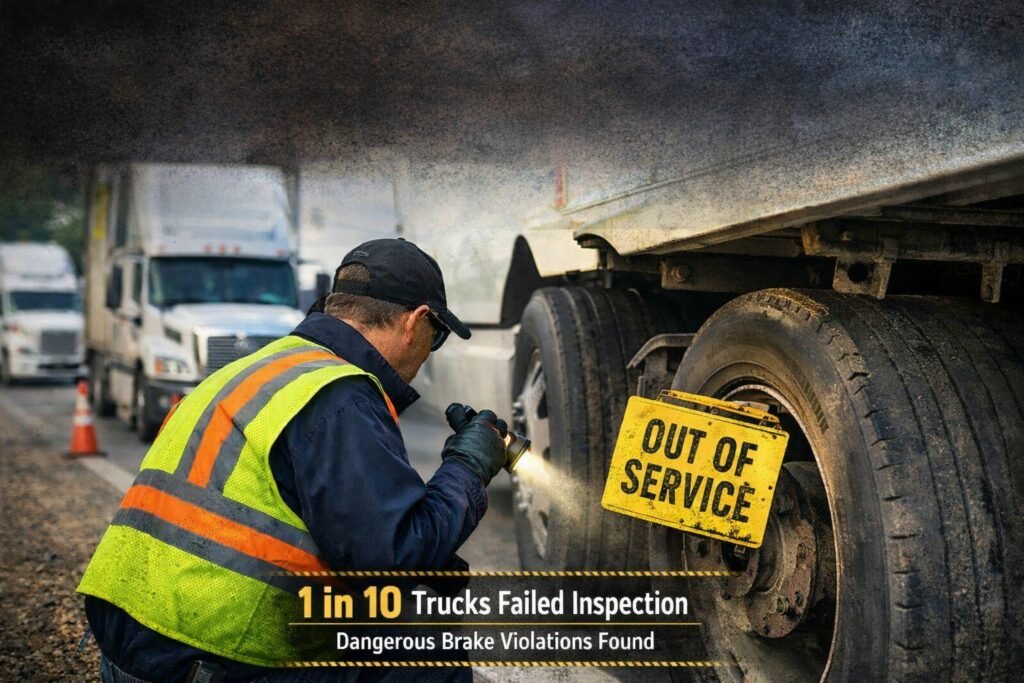
On April 19, 2023, the Commercial Vehicle Safety Alliance (CVSA) conducted a coordinated, unannounced Brake Safety Day inspection across the United States, Canada, and Mexico. During this large-scale enforcement initiative, inspectors examined 6,829 commercial motor vehicles. A total of 773 vehicles were placed out of service due to brake-related violations, meaning they were deemed unsafe to continue operation until critical repairs were completed. This represents a failure rate of more than 1 in 10 vehicles, highlighting the persistent risk of brake system non-compliance in real-world fleet operations.
To better understand whether this was an isolated event or a continuing safety issue, CVSA Brake Safety Day enforcement data from subsequent years shows a consistent pattern of brake-related violations across North America.
CVSA Brake Safety Day Inspection Results (2023–2025)
| Year | Vehicles Inspected | Out-of-Service (Brake Issues) | Violation Rate | Key Insight |
| 2023 | 6,829 | 773 | ~11.3% | Over 1 in 10 vehicles failed brake safety inspection |
| 2024 | 4,898 | 570 | 11.60% | Consistently high brake-related violation rate |
| 2025 | 4,569 | 398 | 8.70% | Slight improvement but still significant safety risk |
Sources:
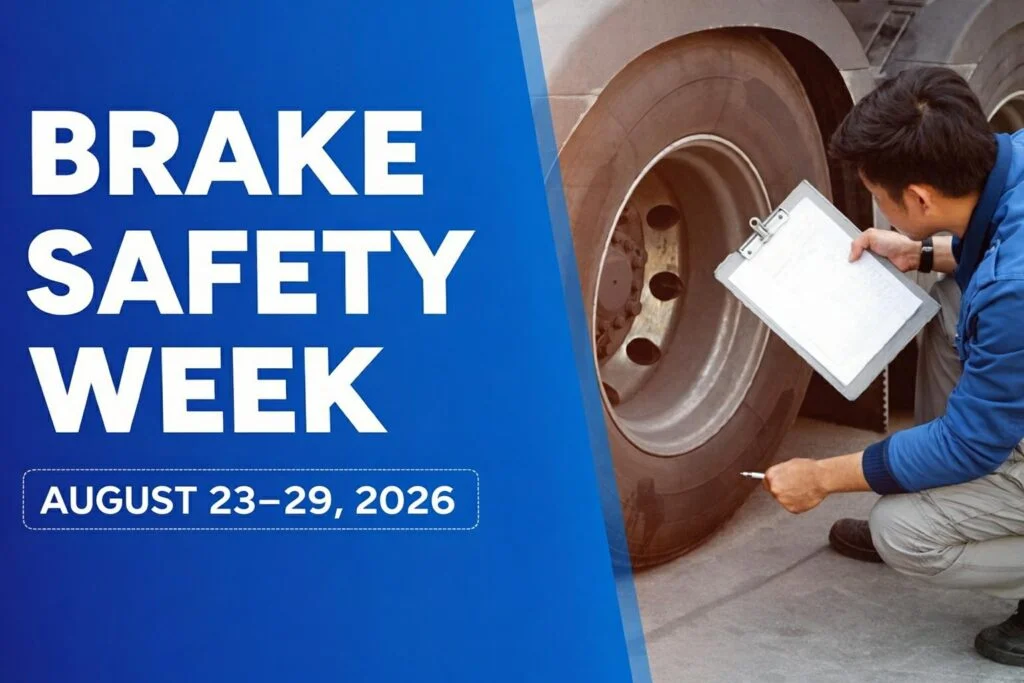
Looking ahead, enforcement efforts are expected to intensify further. The CVSA Brake Safety Week — scheduled for August 23–29, 2026 — will bring heightened inspections across North America. During this week-long initiative, inspectors will specifically target brake-related deficiencies, including cracked drums, worn rotors, and other critical components that could dislodge and pose serious risks to public safety.
(Source: 2026 CVSA Brake Safety Week enforcement details)
Collectively, these annual CVSA inspection programs demonstrate a sustained and measurable pattern of brake system non-compliance across commercial vehicle fleets. Brake-related violations consistently rank among the most frequent out-of-service defects identified during roadside inspections, underscoring the importance of preventive maintenance, component quality control, and adherence to federal safety standards such as FMCSA inspection criteria.
These brake enforcement events reveal just how common dangerous brake conditions are in everyday commercial motor vehicle inspections. Brake violation data from these operations consistently shows that brake-related defects top the list of out-of-service violations year after year.
Why Brake Pad Integrity Matters for Fleet Safety
The Large Truck Crash Causation Study found that brake problems contributed to roughly 29% of crashes studied. That’s nearly one in three accidents involving large trucks. Brake failures often combine with factors like speeding and driver fatigue to create deadly scenarios. Fleet safety statistics make it clear — maintaining brake pad integrity is not optional. It’s a frontline defense against catastrophic collisions.
The Cost of Ignored Brake Maintenance
Cutting corners on brake upkeep carries serious consequences:
- Out-of-service orders that halt revenue-generating operations
- Steep fines from failed commercial motor vehicle inspections
- Legal liability from accidents tied to poor maintenance records
- Increased insurance premiums driven by poor fleet safety statistics
Companies that falsify maintenance records face criminal charges and civil lawsuits. The real cost of ignoring brake pad wear goes far beyond dollars — it affects every person sharing the road with your vehicles.
Why Do Commercial Vehicle Brake Pads Crack?
Stopping a vehicle that weighs 80,000 pounds demands enormous force. That force creates stress on every part of the braking system — especially the pads. Several factors work together to cause cracks, and understanding each one helps you prevent costly failures on the road.
Thermal Stress and Heat Cycling
The friction required to slow tens of thousands of pounds generates extreme heat. During long mountain descents — like those on Colorado’s I-70 or Pennsylvania’s I-76 — brake temperatures can exceed 500°F. This friction heat damage weakens the pad’s binding resins over time, reducing shear strength in brake pads. Repeated heating and cooling cycles cause the material to expand and contract, forming tiny cracks that grow with each stop.
When pads overheat, the brake fade mechanism kicks in. You lose stopping power at the worst possible moment. Overheated drums and glazed brake linings create a slippery surface that can’t grip properly. Brake drum expansion from heat opens gaps between shoes and the drum, cutting contact area and braking force.
Material Fatigue from Constant Use
The S-cam operation pushes brake shoes against the drum with each application. In stop-and-go city routes, a driver may apply brakes hundreds of times per shift. This repetitive stress fatigues the pad material at a molecular level. Most commercial vehicles and trailers still use drum brake systems, making this wear pattern especially common across U.S. fleets.
Manufacturing Defects and Quality Issues
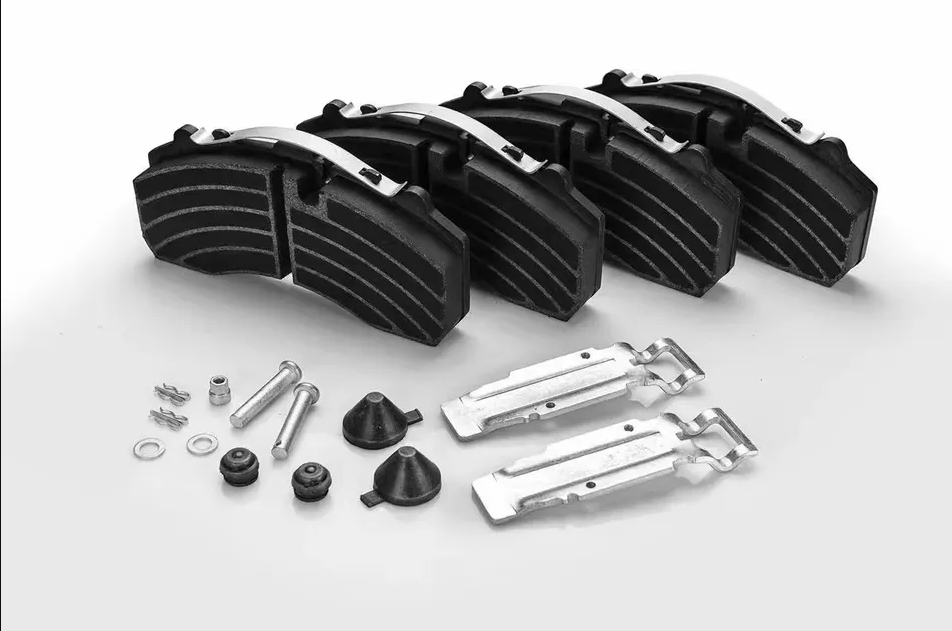
Not all brake pads meet the same standards in the brake pad manufacturing process. Low-quality aftermarket pads may contain:
- Inconsistent friction material density
- Poor bonding between the lining and the shoe
- Substandard raw materials that crack under normal loads
Choosing FMVSS 121-compliant pads from reputable manufacturers reduces this risk significantly.
Environmental Factors and Contamination
Road salt, oil leaks, and moisture weaken pad integrity. Overloaded trucks compound the problem — they need more braking force, which builds heat faster and creates uneven wear. Some brakes end up working harder than others, starting a vicious cycle of rising temperatures and declining performance.
Why Brake Shoes and Drums Crack
Drum brakes crack for a lot of the same reasons pads do. The damage just shows up in different places:
- Brake drums: repeated hard stops and long downhill runs overheat the drum. The surface heat checks first, and those checks can grow into real cracks. A drum turned past its maximum diameter is thinner and cracks sooner.
- Drum brake linings: overheating, the wrong friction grade for the axle load, and poor bonding or riveting all start cracks. So does a brake that’s out of adjustment and doing more than its share of the work.
- Brake shoes: the steel shoe can fatigue and crack over time, especially on reused cores that are already bent or worn at the anchor end.
The right lining for the brake prevents most of this. Our guides on what brake lining is and 4515 vs 4707 vs 4709 brake shoes cover lining types and shoe fitment.
The Devastating Impact of Brake Adjustment Issues
Brake adjustment might sound like a minor maintenance task. In reality, it’s one of the most critical factors behind commercial vehicle brake pad cracking — and catastrophic road failures.
When brakes are set too tight, brake over-adjustment forces pads against drums even when you’re not braking. This constant contact generates extreme heat and friction. You’ll notice signs like excessive warmth radiating from the wheels, premature pad wear, and a subtle pull when you press the accelerator. Left unchecked, brake drag damage compounds rapidly — warping drums, cracking pads, and destroying components that should last thousands of miles longer.
On the opposite end, under-adjusted brakes create a gap between pads and drums that’s too wide. The result is insufficient contact during braking. Watch for these warning signs:
- A “spongy” or soft brake pedal feel
- Noticeable stopping distance increase — especially under heavy loads
- Uneven wear patterns on brake drums from inconsistent pad contact
- Delayed brake response during emergency stops
A slack adjuster failure sits at the root of many of these problems. When automatic slack adjusters malfunction, they can’t maintain the correct spacing between brake shoes and drums. Brakes either fail to engage or drag and overheat — both scenarios accelerate pad cracking.
Some fleets cut costs by depowering front brakes entirely. The CVSA has flagged this practice as extremely dangerous. Removing front axle braking power eliminates roughly 30% of a truck’s total stopping capability, according to Federal Motor Carrier Safety Administration guidelines.
These adjustment issues don’t just crack pads — they set the stage for air system failures we’ll explore next.
How Air System Problems Lead to Premature Pad Cracking
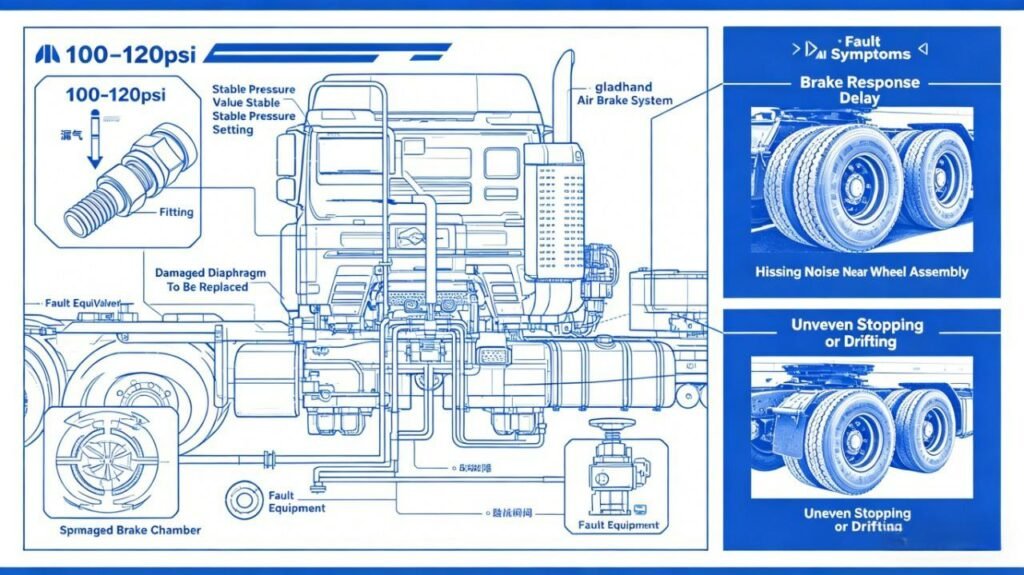
Your commercial vehicle’s air brake system needs steady pressure — typically between 100 and 120 psi — to work correctly. When that pressure drops or distributes unevenly, brake pads absorb extra stress. This leads to cracking far sooner than expected. Understanding these air system issues helps you catch problems before they turn dangerous.
Air Leaks and Uneven Pressure Distribution
Gladhand fitting leaks are one of the most common culprits behind uneven braking. These connections between tractors and trailers can loosen or corrode over time. When air escapes at these points, some wheels receive less force than others. The result? Certain brake pads work harder and crack under the extra load. Air pressure loss at any point in the system makes your truck harder to control during stops.
Diaphragm Tears and Chamber Malfunctions
Brake chamber problems often start with worn or punctured diaphragms. Daily use puts constant strain on these rubber components. A small tear allows air to escape, reducing how much force reaches the brake pad. According to the CVSA’s annual inspection data, brake-related violations — including chamber defects — remain the top reason trucks get placed out of service. Watch for these signs of air brake system failure:
- Slow brake response when you press the pedal
- Audible hissing near wheel assemblies
- Uneven stopping or pulling to one side
Control Valve Failures and Their Consequences
A treadle valve malfunction can prevent brakes from engaging — or cause them to lock up without warning. This foot valve controls airflow to the entire system. Damage or internal wear disrupts that control completely.
Seal Deterioration in Push Rod Assemblies
Push rod seals and chamber housing seals degrade with age and exposure. Failed seals let air escape, reducing braking force and accelerating pad wear. Water from a failing air dryer makes things worse — it can freeze in winter and block airlines entirely, leaving you with zero stopping power.
Environmental and Operational Factors That Accelerate Pad Deterioration
Your brake pads don’t wear out in a vacuum. The world around your truck — and what’s inside it — plays a huge role in how fast those pads crack and fail. Three key factors deserve your attention: heat, contamination, and excess weight.
Hot Climate Operations and Thermal Decay
If you operate in states like Arizona, Texas, or Nevada, your brake pads face relentless thermal punishment. Sustained high ambient temperatures reduce the pad’s ability to cool between stops. This accelerated heat cycling breaks down the resin binders in friction material much faster than in moderate climates. Brake system stress compounds when downhill grades combine with triple-digit temperatures — a common scenario in the American Southwest.
Contamination from Oil, Brake Fluid, and Road Debris
Brake contamination issues rank among the most overlooked causes of premature pad cracking. Leaking wheel seals can coat pads in axle grease. Faulty brake chambers may drip fluid directly onto friction surfaces. Road debris — salt, sand, and chemical runoff — eats away at pad integrity over time. Once contaminated, a pad loses its consistent friction properties and becomes prone to uneven wear and cracking.
The Effects of Overloading on Brake Systems
Overweight truck problems create a dangerous chain reaction. A fully loaded commercial vehicle at highway speed carries massive kinetic energy. When that truck exceeds its Gross Vehicle Weight Rating, brakes must work far beyond their design capacity. Drivers are forced to apply them longer and harder just to slow down.
The weight distribution impact is just as critical. Loading docks that stack cargo unevenly cause unbalanced load effects — meaning certain axle brakes absorb far more energy than others. This leads to:
- Accelerated pad wear on overloaded axles
- Excessive heat buildup in specific wheel positions
- Premature cracking from repeated thermal overload
According to FMCSA data, brake-related violations remain the top out-of-service condition found during roadside inspections. Keeping loads within rated limits and properly balanced is one of the simplest ways to protect your braking system from early failure.
Warning Signs: Detecting Brake Pad Problems Before Catastrophic Failure
Cracked brake pads rarely fail without giving you advance notice. The key is knowing what to look for — and what to listen for — before a small issue becomes a roadside emergency. Recognizing brake warning signs early can save you thousands in repairs and prevent dangerous on-road failures.
Unusual brake noises are among the first red flags. Squeaking, screeching, or grinding sounds during braking point to pads that are worn, cracked, or missing material. If you hear metal-on-metal contact, the pad is likely compromised beyond safe use. These unusual brake noises demand immediate attention — not a “we’ll check it next week” response.
Your pre-trip inspection checklist should include a thorough visual and functional review of the entire brake system. Here’s what to watch for:
- Cracks, unusual thinning, or missing chunks in brake pad material
- Drums and rotors showing signs of overheating or surface cracks
- Slack adjusters exceeding proper limits
- Damaged hoses, airlines, or leaking gladhand fittings at trailer connections
- Audible air leaks near brake chambers
Air pressure monitoring is a critical part of this process. You need to verify that pressure builds steadily and holds at proper levels. Unusually low readings or slow build-up rates are clear brake inspection indicators of system trouble. The FMCSA requires drivers to test the low-air-pressure warning device during every pre-trip check — a step that catches problems tied to diaphragm tears and seal deterioration discussed in earlier sections.
Longer stopping distances are another telltale sign. If your rig needs more room to stop than usual, brake adjustment or pad degradation is likely at play. Catching these symptoms early puts you in control — and sets the stage for the prevention strategies we’ll cover next.
Prevention Strategies and Maintenance Best Practices
Keeping your brake pads in top shape requires a proactive approach. A strong prevention plan combines daily driver inspections, strict regulatory compliance, and well-documented professional service. Each layer of this strategy helps you catch small issues before they become dangerous cracks or failures.
Daily Pre-Trip and Post-Trip Inspection Protocols
Every driver should perform mandatory brake inspections before and after each trip. A thorough check includes:
- Monitoring air pressure build-up and stability
- Listening for air leaks around hoses and connections
- Checking brake lining thickness and drum or rotor condition
- Testing slack adjuster limits for proper travel
- Verifying low air warning systems work correctly
- Engaging both service and parking brakes to confirm function
These daily checks are your first line of defense against the failures we discussed in earlier sections.
FMCSA Compliance Requirements
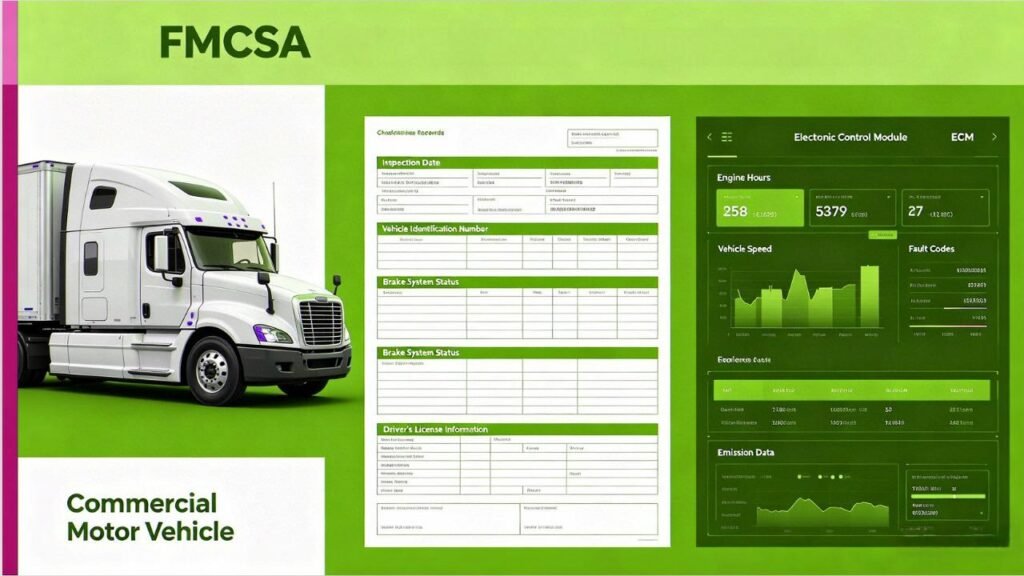
FMCSA regulations require carriers to maintain strict daily inspection routines and keep vehicles in safe operating condition. Hours-of-Service compliance plays a key role here — fatigued drivers are more likely to skip inspections or miss warning signs. Electronic Control Module data from a truck’s “black box” records speed, braking events, engine performance, and fault codes. This data can reveal whether brake problems existed before an incident occurred.
Professional Maintenance Schedules and Documentation
Scheduled professional service goes beyond what a driver can check on the road. Certified technicians should inspect the full braking system at set intervals based on mileage and operating conditions. Maintenance log requirements mandate that you document every repair, part replacement, and service date. These records serve as critical evidence in post-accident investigations, showing whether your fleet addressed known brake issues promptly or let them slide.
Proper documentation protects your drivers, your business, and every vehicle sharing the road.
Conclusion
Brake pad cracking in commercial vehicles is not a random event — it is the result of preventable causes that you can address through proper care and attention. Thermal stress, poor adjustments, air system faults, and harsh operating conditions all play a role. Understanding these factors is the foundation of effective brake failure prevention for any fleet operation. When a cracked pad comes back from the field, a structured brake pad failure analysis helps separate friction-material defects from brake-system causes.
When a brake-related crash does occur, accident liability often falls on multiple parties. Drivers, trucking companies, maintenance providers, and even parts manufacturers may share responsibility. Preserving critical evidence — including black box data, driver logs, and maintenance records — is essential for reconstruction specialists to determine what went wrong and who is at fault.
You now have a clear picture of why brake pads crack and how to stop it from happening. Act on this knowledge. Build strong inspection habits, invest in quality components, and hold every link in the maintenance chain accountable. That commitment is the best defense against catastrophic brake failure on the road.
Related reading
- Brake Pad Failure Analysis: Causes, Manufacturing Defects and Quality Control
- Commercial Truck Brake Pad Thickness: Minimum Limits and Inspection Guide
- Common Heavy Truck Brake Pad Failures and Solutions—A Troubleshooting Guide for Truck Drivers
Reviewed by: Robert, Chief Executive Officer, Tuoba Auto Parts
Technical basis: CVSA Brake Safety Day results · 49 CFR Part 396, Appendix A · 49 CFR 393.47 (FMCSA)
Need a quote or a part-number check? Send your OE, FMSI or WVA references, quantities and destination market to our team through the contact page, or email [email protected].