Develop from Technical Input
Start from what you have today. We turn it into a controlled requirement set.
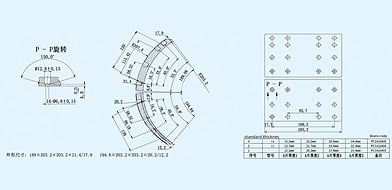
- 2D / 3D drawings and tolerances
- Physical samples and product photos
- WVA, OE and FMSI references
- Vehicle, axle and duty-cycle details
We develop custom brake pads, brake linings and drum brake shoes from your drawing, physical sample, WVA/OE/FMSI number or vehicle requirement. Engineering review comes first. Then samples, testing, agreed documents and controlled production.
As an OEM brake pad manufacturer, Tuoba has made brakes since 2006. Most OEM projects reach us with a 2D or 3D drawing, a physical sample, a WVA, OE or FMSI number, a vehicle application or just a performance target. Our engineers review what you have, list what is missing and propose a route for development, validation and production.
Before volume production, we agree the spec, test scope, approval records and change rules with your purchasing, engineering and quality teams. That keeps fitment, documents and timing under control, and it is why a repeat order matches the sample you approved. Need an NDA first? We sign one before you send detailed files.
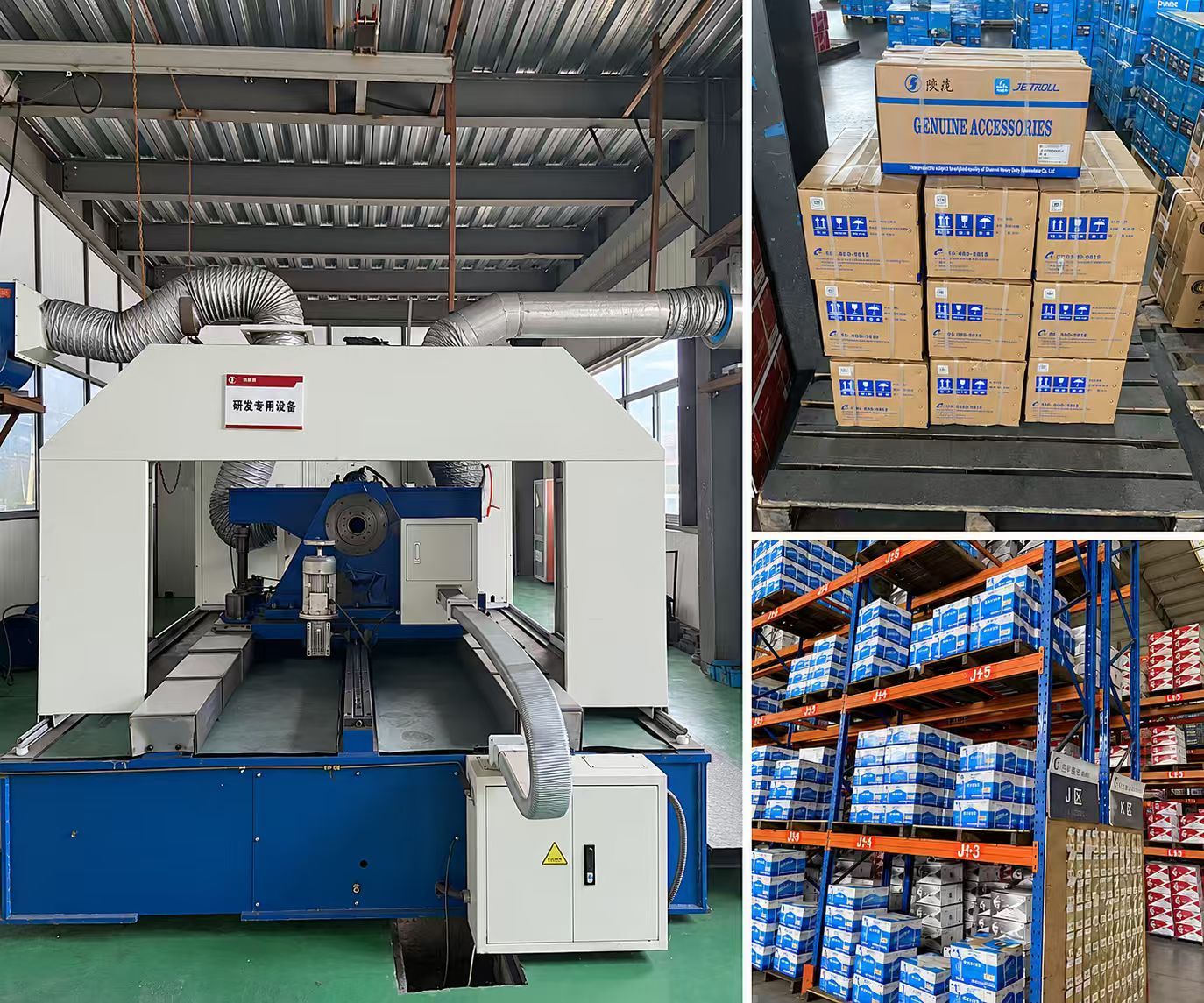
Our office is in Hangzhou. Passenger car brake pads come from our Ruian plant, commercial vehicle products from our Ningguo plant.
Talk to Our Engineering TeamEngineering review, testing based on our brake pad friction technology and production controls are set before an approved part goes into volume manufacturing.

Start from what you have today. We turn it into a controlled requirement set.

Agree the tests before samples are approved, not after the program has moved on.

The agreed spec goes into controlled production, so reorders stay consistent.
We adapt the project route to your role, technical inputs, target market, annual volume and approval process.
Brake pads and linings for new platforms, localization, replacement programs and application-specific braking targets.
Drawing-based development, locked specifications and PPAP documentation at the submission level your program requires.
Racing, agricultural, forklift and reach-stacker brakes, plus modified or low-volume vehicles where a catalog part doesn’t fit.
Technical review, prototype samples and test evidence for teams building brake components into complete vehicle systems.
Programs cover passenger cars and light commercial vehicles, trucks, buses, trailers and special equipment. Each OEM project is confirmed against your vehicle, axle position, duty cycle, annual volume and destination market. Reselling brake parts or building your own brand? See our wholesale brake pads for distributors or private label brake pad solutions.
Three product families. We can customize geometry, friction material, marking and accessories, then validate them for your application. Not sure you need a custom part? Compare custom vs standard brake pads first.

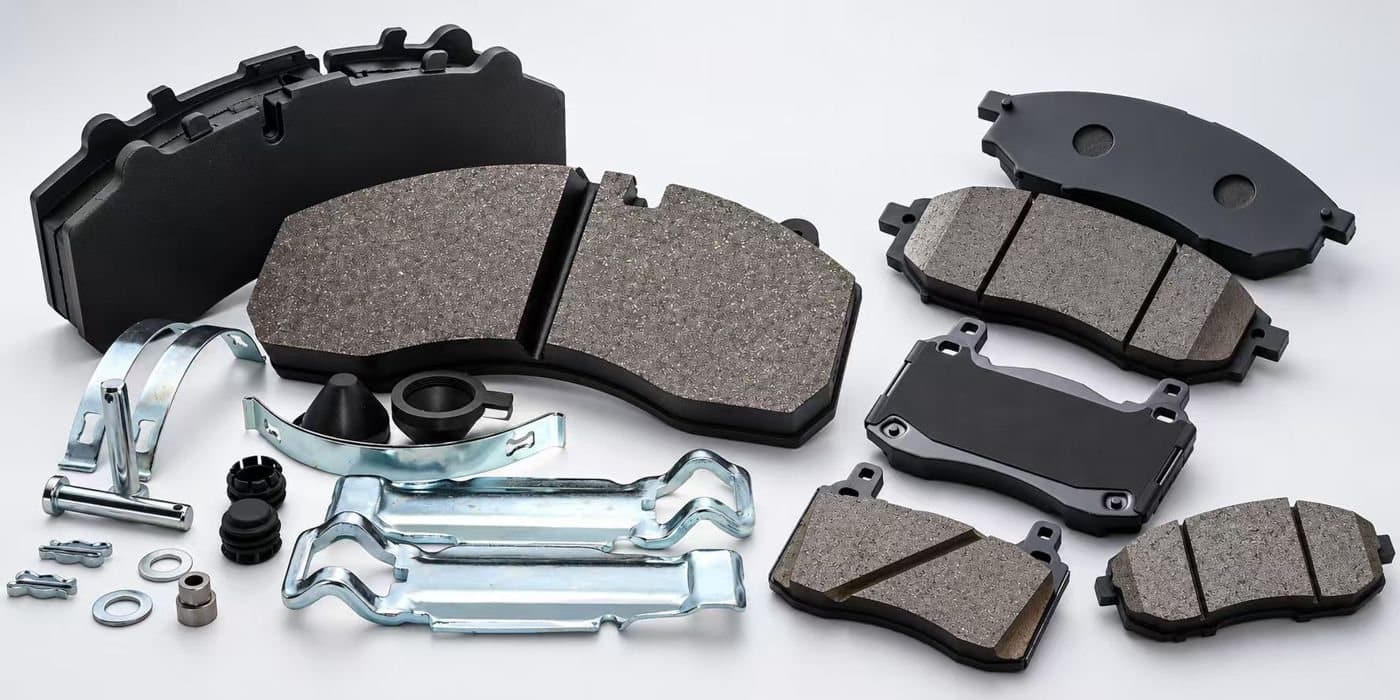
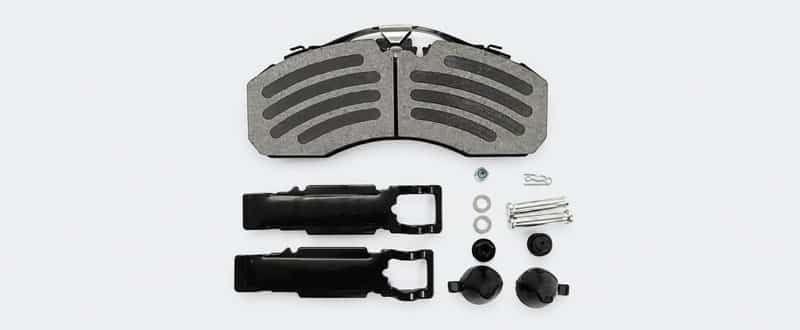
Custom brake pads for passenger, commercial, heavy-duty and specialty vehicles. Pick NAO, low-metallic, semi-metallic or ceramic friction material (see semi-metallic vs ceramic brake pads). We then set geometry, shims, marking and the test plan.
View OEM Disc Brake Pads
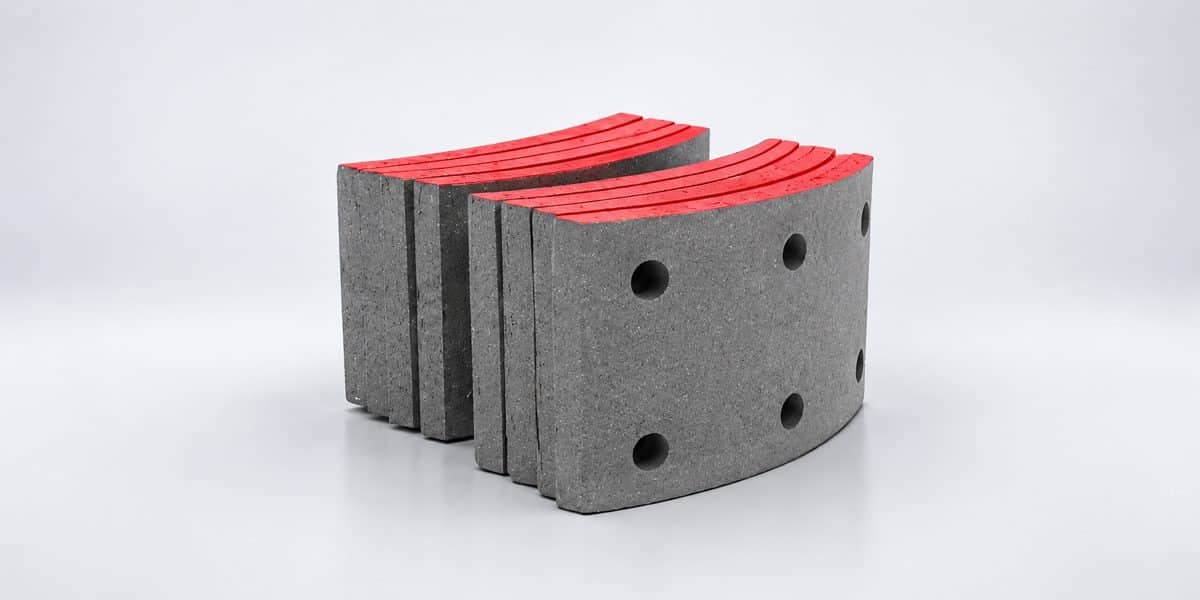
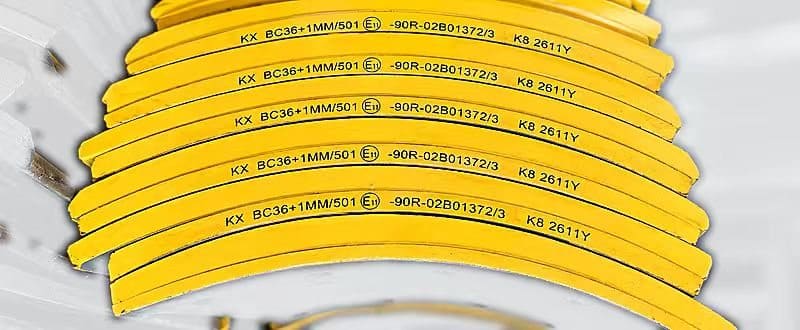
As an OEM brake lining manufacturer, we build drum brake linings for trucks, buses and trailers to your dimensions, duty cycle and friction grade. Listed lining models carry ECE R90 approval.
View Drum Brake Linings
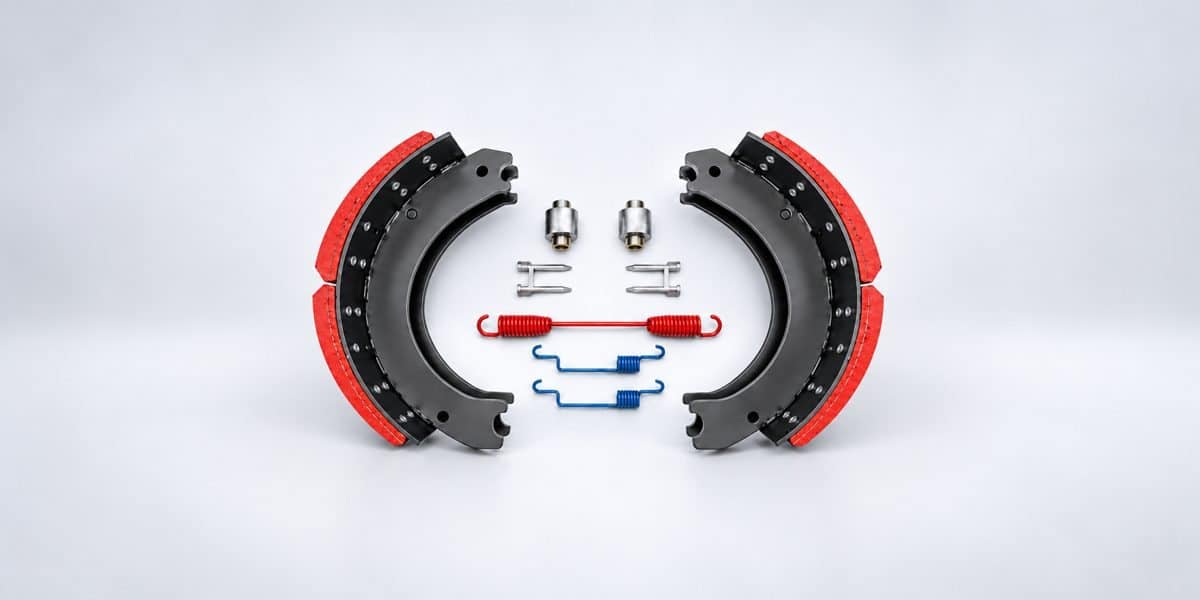
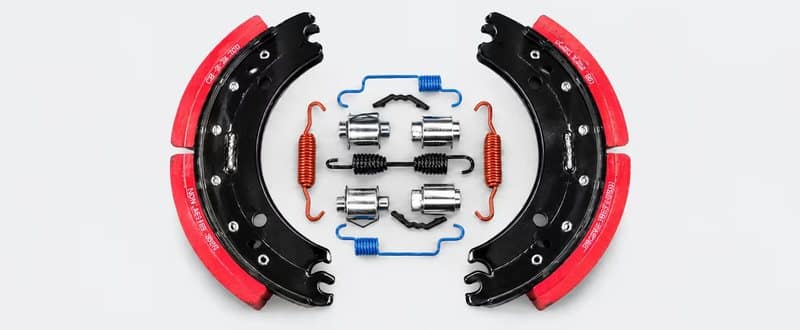
New lined brake shoe assemblies for trucks and trailers, including common 4515, 4707 and 4709 brake shoe types. Lining and hardware scope agreed per project. No relined cores.
View Drum Brake ShoesPick the input closest to what you have. It gets your inquiry to the right engineer faster.
For projects with defined dimensions, structure and technical requirements. Our engineers confirm the route before prototyping starts.
Submit Technical RequirementsFive gates. Each has a clear input, engineering work, approval evidence and a next decision. For the factory side, see our custom brake pad manufacturing process and OEM brake pad production line.
Confirm NDA, drawings or samples, target market, timing, tests and missing inputs. Volume orders start at 100 sets per part number.
Define geometry, friction material, tooling, special characteristics and the sample plan.
Make traceable samples, check dimensions and run internal QC review.
Review results, record revisions and agree the final product, quality, marking and document requirements.
Approved parameters go to the line with batch inspection, traceability and outgoing checks. Lead time is usually 15 to 45 days.
Samples leave our factory by DHL within 72 hours, for fitment checks, bench tests or a vehicle pilot.
We agree the record list at the start. Your engineering, quality and purchasing teams then get the evidence that fits the approved part, the PPAP submission level and the target market.
We supply vehicle manufacturers, so PPAP is part of how we run OEM programs; the submission level is agreed per program. Certificates, approvals and documents vary by product, destination market and program. Tell us where you sell and we will confirm what applies. Background reading: commercial vehicle brake pad testing and what ECE R90 approval covers.
OEM buyers usually ask three things: who runs the tests, which vehicle makers you already supply, and what the reports really show. Here is ours.

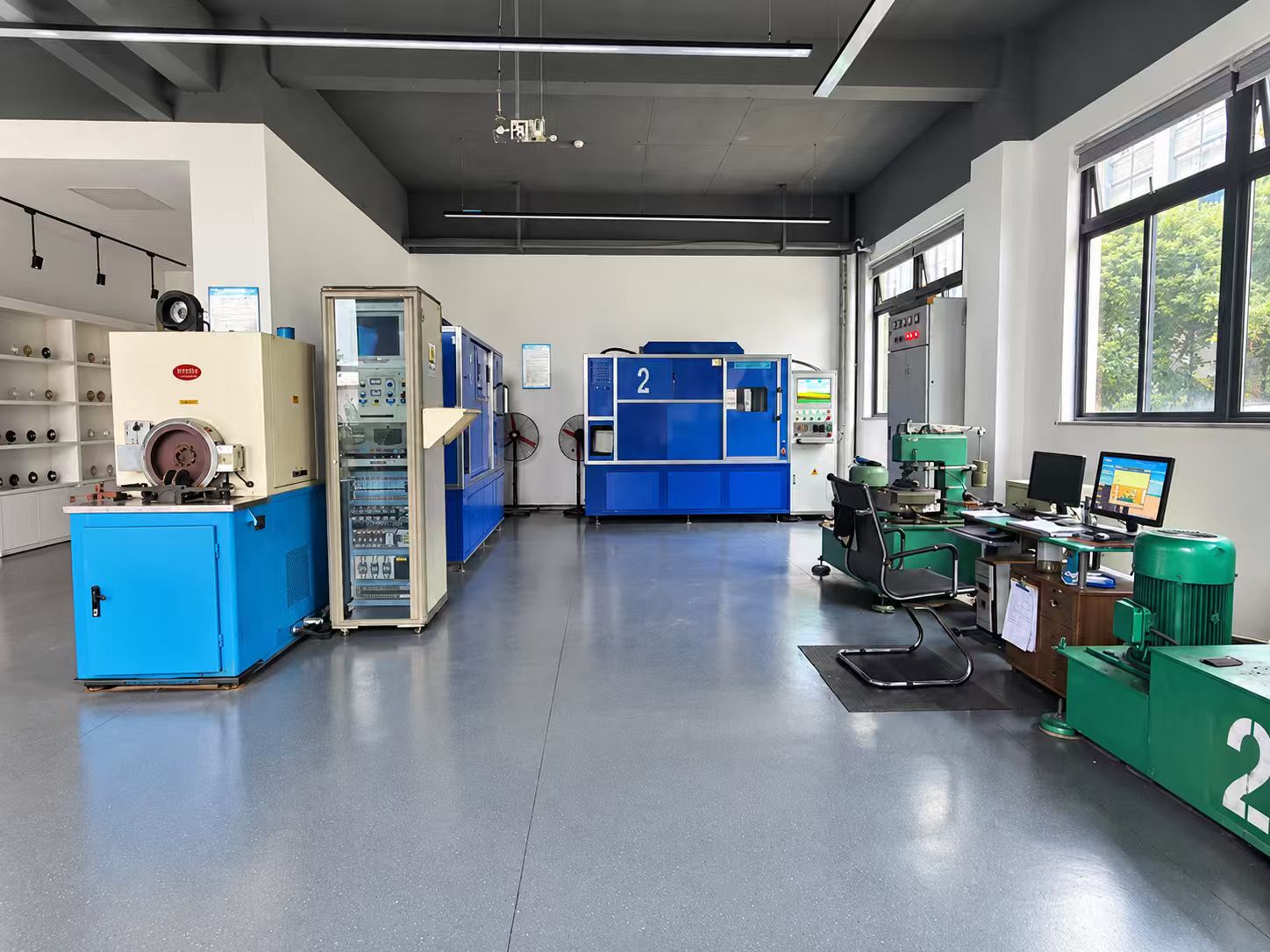
We run friction, fade and recovery, wear and SAE J2521 noise tests on our own HY203 dynamometer. Your samples are tested in-house before they ship, and the results go into your validation file.

Dynamometer and friction material testing run in our own lab, on our own schedule. Test plans don't wait for an outside lab slot, and you get the data straight from the engineers who ran it.

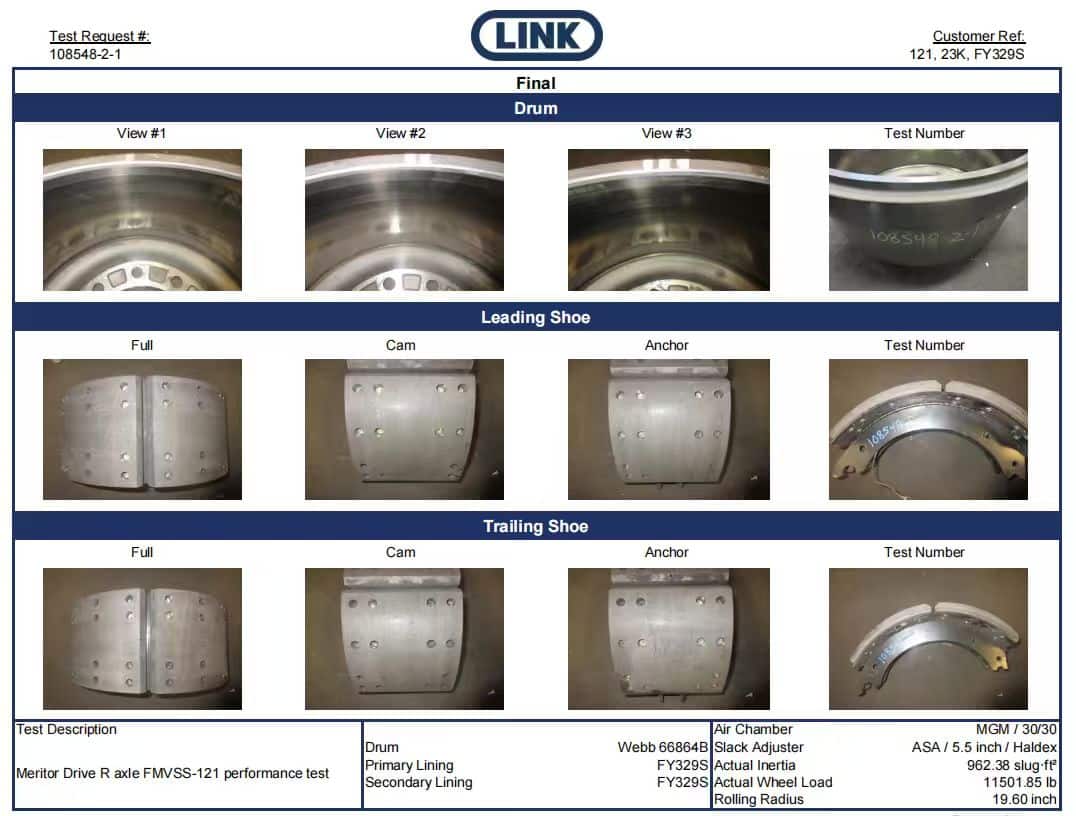
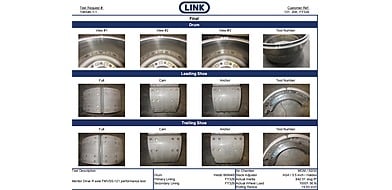
We hold FMVSS 121 reports at 20K and 23K. Shown: the 23K report by LINK for our FY329S drum brake lining on a Meritor drive axle. Each report covers its own lining and test setup, so ask for the one that matches your part number.
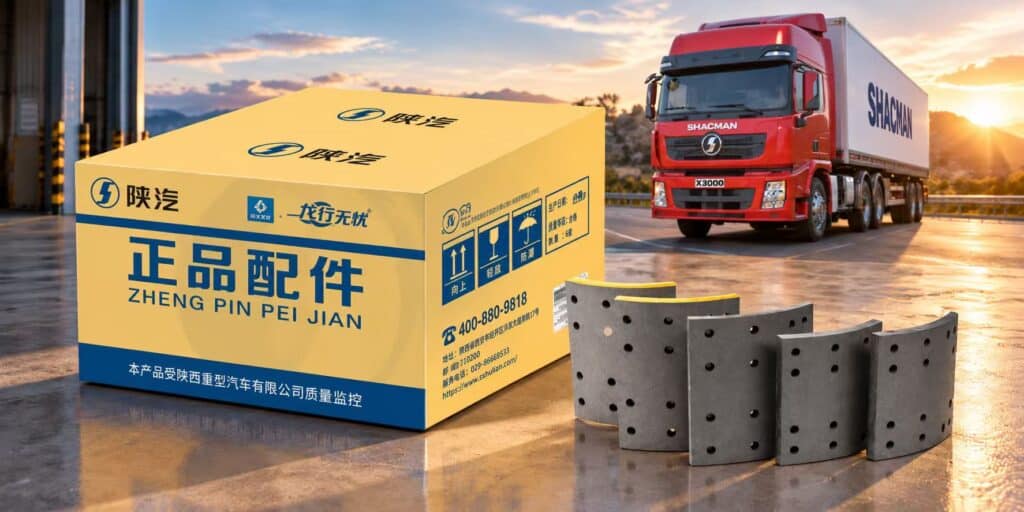
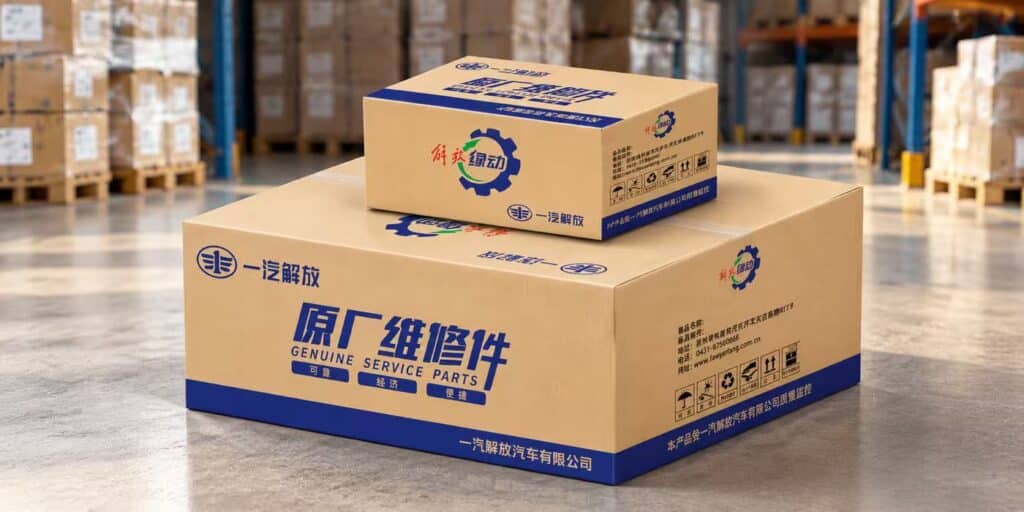
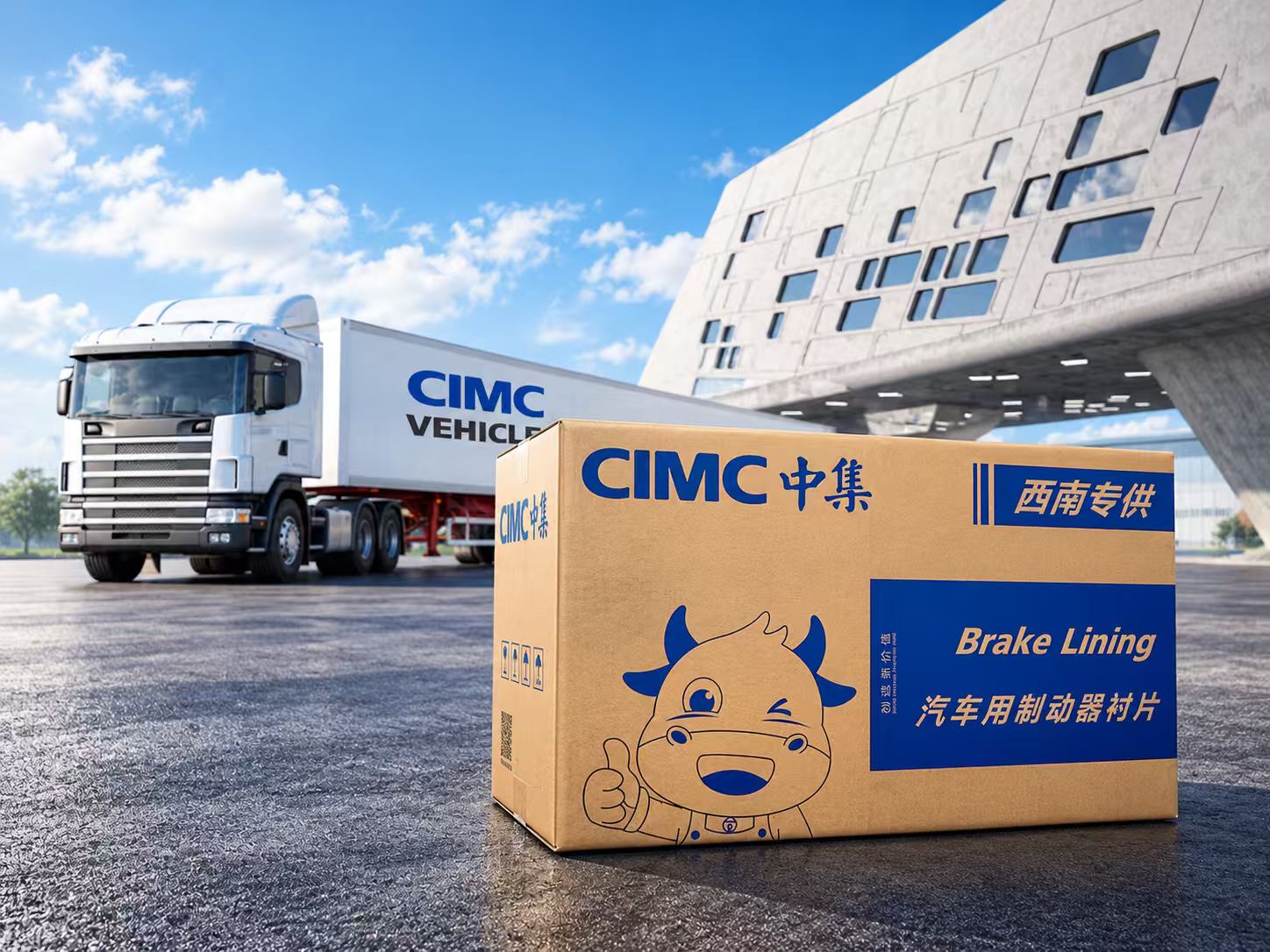
See FMVSS 121 Brake Lining Test ReportsWe are an OE supplier to SHACMAN and FAW Jiefang, two major Chinese heavy-truck makers, and CIMC is a strategic partner. Established brands in the US, Germany, Australia and Spain also build their ranges with us.


Three typical routes showing how a drawing, a sample or a market requirement becomes controlled development work. They are typical routes, not named customer case studies.

Input: drawing and performance targets. Challenge: heavy-duty structural and thermal demands. Route: structure and formula review followed by traceable samples. Validation: agreed fitment and performance testing before approval.
Discuss a Similar Project
Input: physical sample and vehicle information. Challenge: convert incomplete references into a controlled specification. Route: measurement, fitment review and prototype production. Validation: dimensional and installation review before approval.
Submit a Sample
Input: target market and document list. Challenge: align testing and records early. Route: scope review, sample testing and document preparation. Outcome: evidence matched to the agreed approval route before release.
Request Document ReviewYes. A 2D or 3D drawing is the fastest start. We also work from a physical sample, product photos, a part number or vehicle data. If an input is missing, we tell you what it is before we quote.
Yes. Send the number with the vehicle, axle position and target market. One number can cover more than one variant, so we check dimensions and backing plate details before we quote.
NAO, low-metallic, semi-metallic and ceramic. We choose by load, heat, noise and wear targets. Ceramic runs quiet and clean, but heavy trucks usually need semi-metallic or low-metallic to handle heat. Testing confirms the final choice.
Friction level, fade and recovery, wear, shear strength, compressibility, SAE J2521 noise, dimensional checks and your own test protocols, run on our in-house HY203 dynamometer. For heavy-truck linings we also have FMVSS 121 reports (20K and 23K), SAE J661 friction reports and SAE J2975 chemical composition reports.
The approved spec, material and process parameters are locked before production. Every batch is inspected and recorded, and any change goes through change control. That is how batch fifty matches the sample you signed off.
Yes. We supply brake parts to vehicle manufacturers, so PPAP documentation is part of how we run OEM programs. The submission level and document list are agreed with your quality team at the start of the project.
We sign an NDA before you send detailed drawings, samples or program documents. File access is then limited to the people working on your project.
Yes. Samples leave our factory by DHL within 72 hours. After approval, volume orders start at 100 sets per part number.
Our MOQ is 100 sets per part number, and you can mix part numbers in one order. Lead time is usually 15 to 45 days. Payment is T/T: 30% deposit and 70% before shipment. We don't accept L/C. Send complete part details and we usually reply within 24 hours.

Reviewed by: Robert, Chief Executive Officer, Tuoba Auto Parts.
Technical basis: SAE J2521, SAE J661, SAE J866, SAE J2975, FMVSS 121, UN ECE R90
Send the drawings, samples, part numbers, vehicle data or performance targets you have now. Our engineers will tell you what is missing, sort out the NDA and confirm the next project gate. We usually reply within 24 hours.
✉Share what you have now. More detail gets you a faster, more accurate quote:
WhatsApp us