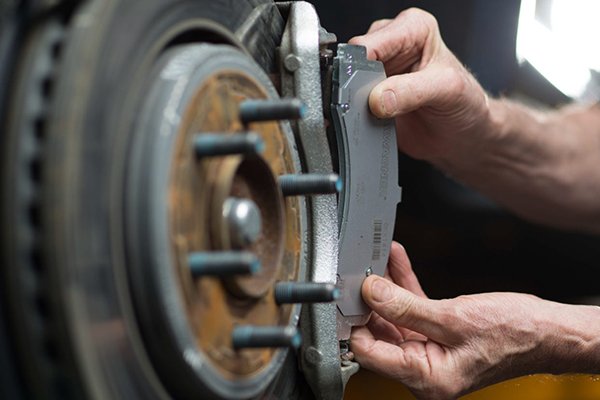
When comparing OEM vs aftermarket brakes, start with the vehicle, brake system, and actual driving conditions. Genuine OEM brake pads are the most straightforward choice when the goal is to preserve the original fit and braking feel. OE-equivalent aftermarket products—sometimes described as OEM equivalent brake pads—can offer similar direct-fit convenience with greater flexibility in friction material, price, packaging, and branding. High-performance aftermarket brake pads are better suited to vehicles that tow, carry heavy loads, travel on mountain roads, or experience repeated high-temperature braking.
Whichever option you choose, the label on the box is only the starting point. The right brake pad must match the OE number, caliper, rotor, hardware, vehicle weight, and operating conditions. Product-specific test reports, batch consistency, traceability, and technical support matter just as much as the category name.
The real question, therefore, is not simply, “Are OEM brakes better than aftermarket brakes?” It is, “Which brake product is right for this vehicle, its brake system, and the way it is actually used?”
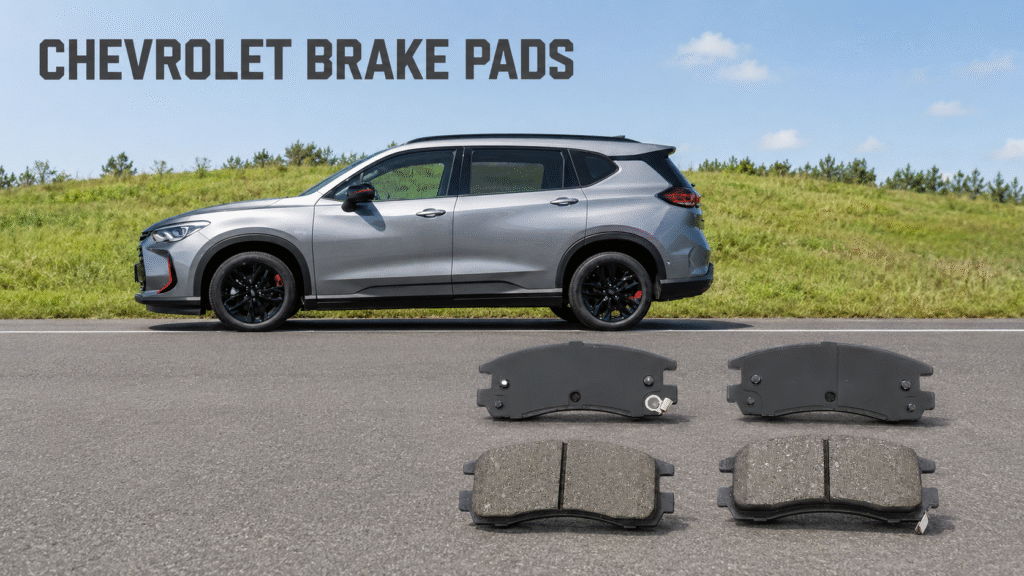
OEM, OE-Equivalent, and High-Performance Brake Pads
Not every aftermarket product belongs in the same category. An inexpensive replacement pad, an OE-equivalent private-label pad, and a heavy-duty performance pad may all be called “aftermarket,” but they are designed for very different buyers and driving conditions.
The video below offers a closer look at these brake products and shows why their design and intended application matter more than the label alone.
Genuine OEM Brake Pads
Genuine OEM brake pads are supplied through the parts channel of the original equipment manufacturer (OEM). Their main appeal is familiarity: with the correct part number, the pad shape, hardware, pedal feel, noise level, and overall braking behavior are intended to remain close to the factory setup.
The diagram below shows the main components of disc and drum brake systems. Although their structures are different, both genuine OEM and OE-equivalent replacement parts must match the original dimensions, mounting points, and hardware configuration.
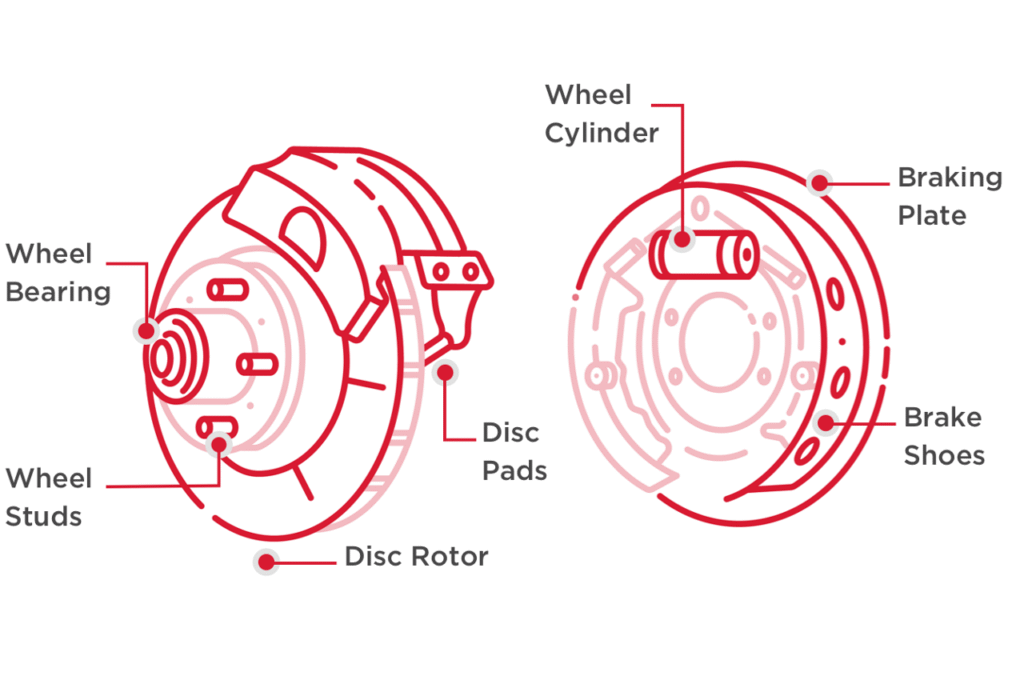
OEM is often the most straightforward choice for a newer vehicle, a warranty-sensitive repair, or a driver who does not want to change the original braking feel. The trade-off is usually a higher price and fewer choices in friction material or product positioning.
OE-Equivalent Aftermarket Brake Pads
OE-equivalent aftermarket brake pads are designed to replace the original parts without changing the basic brake system. They are part of the wider automotive aftermarket and are also commonly described as OEM equivalent brake pads. The backing plate, dimensions, mounting points, sensor position, and hardware interface must match the relevant OE application.
What changes is everything behind that shape. Different manufacturers may use different friction formulas, shims, chamfers, slots, adhesives, curing processes, and corrosion treatments. These details influence noise, dust, heat behavior, rotor wear, pedal feel, and service life.
Appearance can be misleading as well. Backing-plate color is often used for corrosion protection or product-line branding; it is not a universal performance grade. Our guide to brake pad color and coating differences explains why the formula and process matter more than whether the pad is black, blue, yellow, or red.
A well-made OE-equivalent product is often the most practical option for routine replacement, independent repair shops, distributors, fleets, and private-label programs. Fleet buyers can use our fleet brake pads guide to compare duty cycles, material choices, service life, and supplier requirements.It can provide direct fitment without limiting the buyer to one factory parts channel.
When choosing a brake pad manufacturer for OE-equivalent aftermarket brake products, consistency is just as important as the first sample. Reviewing the supplier’s brake pad manufacturing process helps buyers understand how raw-material weighing, pressing, curing, finishing, and batch inspection are controlled. Buyers comparing overseas suppliers can also use our practical guide to evaluating a brake pad manufacturer in China as a supplier-audit checklist.
High-Performance Brake Pads
High-performance brake pads are designed around a particular demand, such as towing, heavy payloads, mountain descents, repeated stop-and-go braking, or high-temperature driving. They may use a more heat-resistant compound, a stronger initial bite, or a matched pad-and-rotor setup.
That does not make them automatically better for daily driving. A more aggressive pad may create extra dust, noise, or rotor wear while offering little benefit during an ordinary commute. Performance products make sense when the vehicle’s real work justifies the change.
| Comparison Factor | Genuine OEM | OE-Equivalent Aftermarket | Performance Aftermarket |
| Main goal | Restore the factory setup | Provide a direct-fit replacement with more sourcing and price options | Meet a specific heat, load, or performance requirement |
| Fitment | Matched to the original application | Confirm model, year, caliper, dimensions, and OE number | Confirm compatibility across the pad, rotor, caliper, and full system |
| Material choice | Usually limited to the factory-selected compound | Ceramic, low-metallic, semi-metallic, organic, or custom options may be available | Compound is selected for a defined operating target |
| Noise and dust | Tuned for the original vehicle | Depends on the formula, shim, pad geometry, and process control | May be louder or dustier if performance is the priority |
| Typical price | Usually higher | Low to moderate, depending on quality | Moderate to high |
| Best use | Factory restoration and warranty-sensitive repairs | Daily replacement, broad coverage, fleets, and private label | Towing, heavy loads, mountain roads, and repeated high-temperature braking |
OEM vs Aftermarket Brake Rotors
The same basic decision applies to brake rotors. A genuine OEM rotor is designed around the original hub, caliper, pad compound, cooling requirement, and vehicle noise target. With the correct part number, it is the most predictable way to restore the original system.
Aftermarket rotors cover a much wider range. Some are simple replacement discs made to the original dimensions. Others add coated hats, high-carbon cast iron, directional ventilation, slots, or drilling. These features may be useful, but none of them replaces the need for correct metallurgy, balance, runout, thickness, and heat capacity.
When comparing OEM rotors with aftermarket rotors, check:
- Diameter, thickness, offset, center bore, bolt pattern, and minimum thickness
- Caliper and hub compatibility
- Casting quality, balance, lateral runout, and thickness variation
- Vane design and cooling direction
- Coating or corrosion protection, especially in wet or salted-road markets
- Compatibility with the selected pad compound
- Warranty terms and whether labor or consequential damage is excluded
| Rotor Option | Typical Price Position | Warranty and Longevity | Best Fit |
| Genuine OEM rotor | Usually the highest of the standard replacement choices | Predictable when used with the intended pad and service procedure; warranty follows the original parts channel | Newer vehicles, warranty-sensitive repairs, and factory restoration |
| Quality OE-Equivalent aftermarket rotor | Usually lower than genuine OEM, although premium products may overlap | Depends on casting, machining, coating, installation, and pad match | Everyday replacement and value-focused repairs |
| Performance aftermarket rotor | Moderate to very high | Life varies with design and duty cycle; aggressive use may increase pad or rotor wear | Towing, high heat, repeated braking, or a defined performance goal |
An expensive rotor is not automatically the longest-lasting option. A rotor that is poorly matched to the pad can wear quickly, create noise, or develop uneven deposits. For most daily vehicles, a well-machined OE-equivalent rotor with the correct dimensions and a compatible pad is usually a better value than buying a performance design that the vehicle does not need.
What Matters More Than the OEM or Aftermarket Label?
In practice, four things tell you more about a brake pad than the name of its category: fitment, friction material, complete pad design, and production consistency.
Start With the Correct Fit
Two pads can look almost identical and still differ in length, width, thickness, slot position, sensor design, or backing plate geometry. Brake systems may also change within the same vehicle model because of the year, engine, trim, axle, wheel size, or caliper supplier.
When Tuoba reviews a brake pad enquiry, the most useful information is:
- Vehicle make, model, and year
- Engine, trim, axle, or brake package, where relevant
- OE, WVA, FMSI, or other cross-reference number
- Caliper manufacturer and model
- Pad dimensions and a clear photo or drawing
- Rotor diameter and thickness
- Sensor, shim, and hardware requirements
If those details do not match, the pad should not be cut, drilled, ground, or otherwise modified to fit. The correct solution is a different part number.
Match the Friction Material to the Way the Vehicle Is Used
Ceramic, semi-metallic, low-metallic, and organic are useful categories, but the category alone does not tell the full story. Two ceramic pads from different factories can behave differently because the fiber system, resin, fillers, lubricants, curing process, and quality controls are not the same.
For many passenger cars, ceramic formulas are chosen for smoother braking, lower visible dust, and quieter everyday use. Semi-metallic formulas are often considered when the vehicle carries more weight or sees more heat, because they generally manage demanding braking conditions better. The best choice still depends on vehicle weight, axle load, climate, road conditions, braking frequency, and the driver’s priorities.
Look at the Whole Brake Pad, Not Only the Friction Block
A good friction formula can still produce noise if the rest of the pad is poorly designed. The backing plate, shim, chamfers, slots, sensors, and hardware all play a role. Rotor condition and installation are just as important.
For importers and private-label buyers, this is also where supplier quality becomes visible. A sample may perform well, but the real test is whether the 1,000th or 10,000th set still matches the approved sample in formula, dimensions, bonding, finish, and friction performance.
This consistency depends on control throughout the brake pad manufacturing process, from raw-material weighing and pressing to curing, finishing, and final inspection.
Check the Test Reports and Certifications for the Exact Product
Useful quality evidence may include friction and wear data, shear-strength and compressibility results, heat and fade testing, dynamometer reports, dimensional inspection records, and batch traceability.
For commercial-vehicle applications, heavy-duty brake pad testing is especially important because payload, repeated stops, and long grades create very different thermal demands from ordinary passenger-car use. A broader explanation of Tuoba’s brake pad technology and testing methods covers friction materials, NVH, bonding, dynamometer validation, and wear testing.
Certificates need to be read carefully. ECE R90 may apply to certain replacement brake products sold in European markets. FMVSS-related reports may be relevant to particular North American vehicle or brake-system applications. IATF 16949 shows that a factory has an automotive quality-management system, but it is not a product-specific performance approval.
For the United Kingdom and other markets using UN replacement-braking requirements, buyers should confirm the regulation and approval applicable to the exact product. Our overview of what ECE R90 covers explains its role for replacement pads, linings, discs, and drums.
The important question is whether the report or certificate covers the product family, formulation, application, and production site being quoted.
The image below shows some of Tuoba’s testing reports and certifications, providing buyers with supporting documentation when evaluating our brake products and manufacturing capabilities.
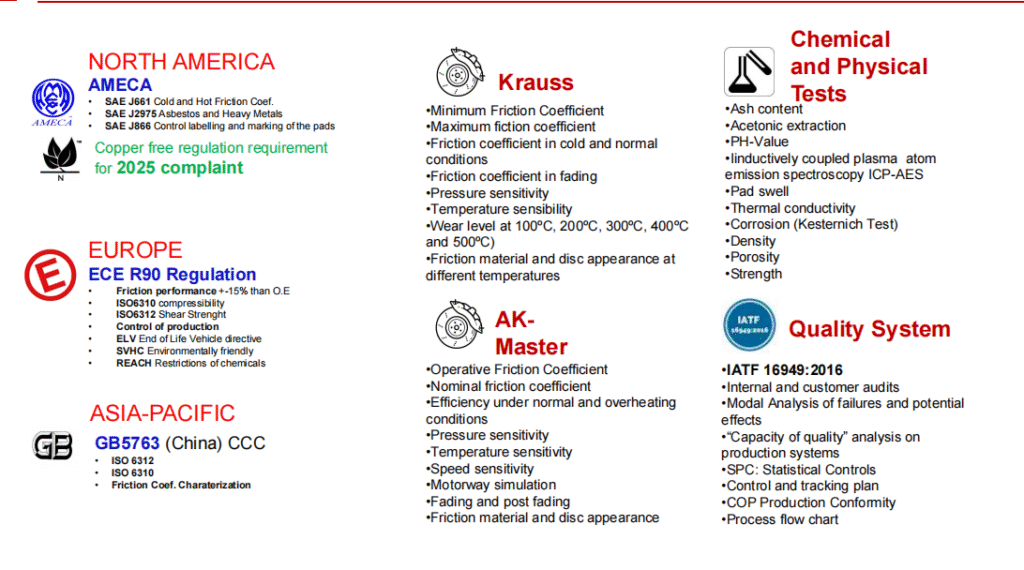
For more detail on company and product documentation, see our brake pad certification guide.
Fitment and Installation Still Decide the Final Result
Even the right pad can perform badly when it is installed on a worn or damaged brake system. Before fitting new pads, check the rotor thickness and surface, caliper slide pins, pistons, clips, sensors, and mounting hardware. Oil, grease, or other contamination on the friction surfaces can also create problems.
A new brake pad cannot repair a rotor that is cracked, badly scored, distorted, or below minimum thickness. Once the parts are installed, follow the correct bedding-in procedure so the pad and rotor develop stable, even contact.
This is one reason online discussions about “OEM versus aftermarket” can be misleading. Noise, vibration, uneven wear, or poor pedal feel may come from the installation or the surrounding brake system rather than the pad label.
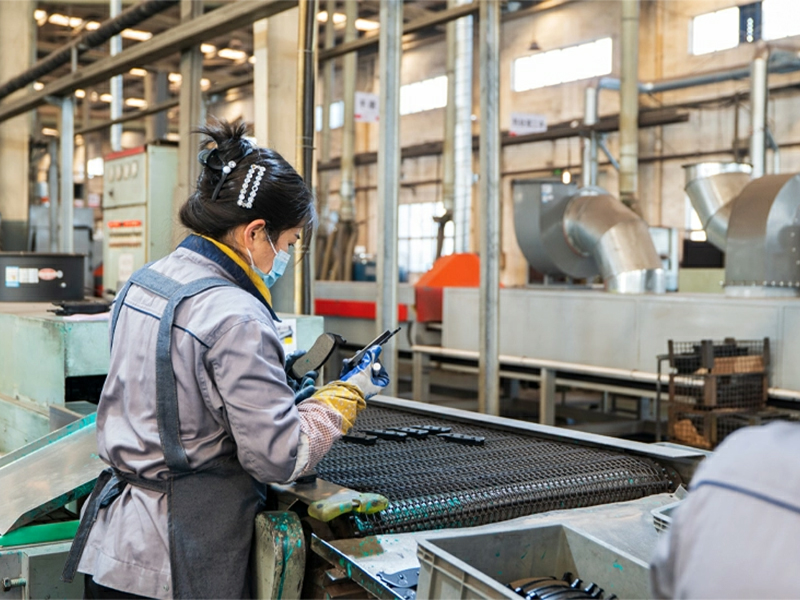
The image below shows a worker in Tuoba’s production workshop inspecting newly manufactured brake pads.
Complete Brake Kits vs Buying Individual Parts
A complete brake kit usually combines pads and rotors and may also include shims, clips, sensors, lubricant, or other installation hardware. The main benefit is convenience: the components are selected and packaged as one service solution, reducing the chance that a new pad is paired with an unsuitable or badly worn rotor.
A complete kit is often worth considering when:
- Both pads and rotors are due for replacement
- The vehicle has uneven wear, vibration, or rotor thickness problems
- The workshop wants one matched package and one warranty source
- Old clips, shims, sensors, or hardware also need replacement
- A fleet or distributor wants a repeatable service package for a defined application
Buying parts separately can still make sense when the rotor remains within specification, only one component has failed, or the buyer wants a particular pad compound with a specific rotor. Separate purchasing also provides more flexibility, but it places more responsibility on the buyer or installer to confirm compatibility.
Before choosing a kit, verify that every component matches the vehicle, not just the headline model description. Confirm the axle, caliper, rotor dimensions, sensor design, hardware, and OE references. A kit is not automatically better value if it includes parts the vehicle cannot use or if the warranty covers only the individual components rather than labor.
Applying these criteria to Chevrolet applications shows why brake pad selection must go beyond the vehicle brand: passenger cars, daily-driven trucks, and towing vehicles may require different fitment, friction formulations, and heat performance.
OEM vs Aftermarket Brake Pads for Chevrolet and Chevy Trucks
For a Chevrolet vehicle or Chevy truck, start with the exact application rather than the brand name. A Chevrolet sedan, a daily-driven Silverado, and a truck used for towing do not ask the same thing from a brake pad.
Genuine OEM pads are a sensible choice when the goal is to keep the original setup. A quality OE-equivalent aftermarket pad can be equally practical for routine replacement when the model, year, caliper, dimensions, hardware, and OE number are correctly matched. A performance product becomes relevant when towing, payload, steep routes, or repeated braking creates more heat than normal daily use.
| Chevrolet Application | Practical Starting Point | What to Confirm |
| Daily-driven Chevrolet sedan or coupe | Genuine OEM or quality OE-equivalent ceramic pad | Exact fitment, shim design, rotor condition, and bedding-in |
| Chevy truck used mainly for commuting | Genuine OEM or quality OE-equivalent replacement | Model, year, brake package, OE number, and axle application |
| Chevy truck used for towing or heavy loads | Application-specific semi-metallic, low-metallic, or performance compound | Payload, trailer weight, route, brake temperature, and rotor compatibility |
| Chevrolet performance application | Matched performance pad and rotor system | Cold response, high-temperature behavior, noise, and rotor wear |
For a daily-driven Chevrolet coupe, a ceramic pad is often a good place to start when low noise and low dust are priorities. But the word “ceramic” alone does not guarantee quiet braking. The shim, chamfers, slots, hardware, rotor condition, installation, and bedding-in process all affect the result.
For a Chevy truck that regularly tows or carries heavy loads, a semi-metallic or application-specific heavy-duty formula may handle heat better. If the same truck is used mainly for commuting, an aggressive performance pad may simply add cost and dust without solving a real problem.
For truck applications, see our detailed comparison of ceramic and semi-metallic brake pads for trucks. For passenger vehicles, the broader ceramic vs semi-metallic brake pad comparison explains the trade-offs in noise, dust, heat, and rotor wear. If noise is the main concern, read our guide to the quietest types of brake pads.
Tuoba’s brake pad range includes ceramic, low-metallic, and semi-metallic formulations for different commercial and passenger-vehicle requirements. The correct starting point is still the OE number and operating condition, not the material name alone.
Choose by Driving Conditions, Not by Marketing Labels
Daily Commuting and City Driving
For normal commuting, most drivers want smooth response, low noise, reasonable dust, and predictable braking when the system is cold or at normal road temperature. Genuine OEM and quality OE-equivalent replacements both fit this use well.
Towing, Heavy Loads, and Mountain Roads
Extra weight means the brake system has more energy to absorb. Long descents and repeated braking add heat, so fade resistance and stable hot friction become more important. In these cases, look at vehicle and trailer weight, axle loading, route gradients, braking frequency, rotor compatibility, and test data—not simply a “heavy-duty” label on the box.
No upgraded pad can compensate for an overloaded vehicle, damaged caliper, worn rotor, old brake fluid, or poor downhill-driving practice.
Wear, squealing, cracking, overheating, and rotor damage also need to be diagnosed before changing the compound. Our guide to common heavy-truck brake pad failures helps separate product-selection problems from installation, maintenance, and operating issues.
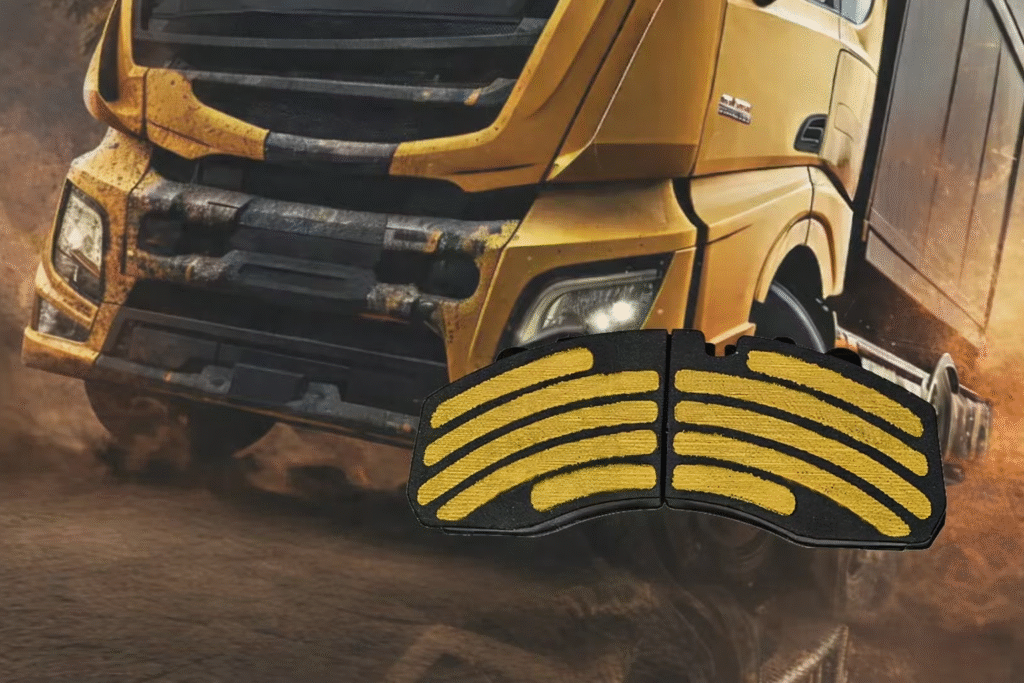
Fleet, Distributor, and Private-Label Programs
For a fleet or product line, one formula rarely suits every customer. A practical range may include an OE-equivalent line for routine replacement, a comfort-focused line for lower noise and dust, and a heavy-duty line for higher loads and temperatures.
Before approving a product, define the vehicle population, OE numbers, climate, routes, average load, annual mileage, common complaints, target price, certification needs, packaging, and expected volume. Clear application information saves more time and money than choosing a formula first and trying to make it fit every market later.
Which Brake Components Are Worth Buying OEM?
There is no rule that every safety-related brake component must come in a vehicle-manufacturer box. Safety depends on correct application, verified quality, installation, and system compatibility. However, some components leave less room for substitution than others.
Electronic and Vehicle-Specific Components
ABS sensors, electronic parking-brake actuators, wear sensors, and control-related components may need exact electrical characteristics, connectors, software compatibility, or calibration. Genuine OEM or a verified OE-supplier part is often the safer purchasing route when the vehicle is under warranty or the part requires coding.
Calipers, Brackets, Hoses, and Hydraulic Parts
These parts affect mechanical fit and hydraulic operation. Genuine OEM is a predictable choice, but a properly validated new or remanufactured aftermarket part can also be suitable. Check casting condition, piston and seal quality, bracket dimensions, hose specification, pressure requirements, and warranty terms. Never choose these parts by appearance alone.
Brake Pads and Rotors
Pads and rotors are the components where quality aftermarket alternatives most often compete closely with genuine OEM. For daily driving, a correctly matched OE-equivalent brake pad and rotor can provide strong value. For high-load or high-temperature use, the comparison needs test data and a complete-system review rather than a simple OEM-versus-aftermarket label.
Drum Brake Shoes and Linings
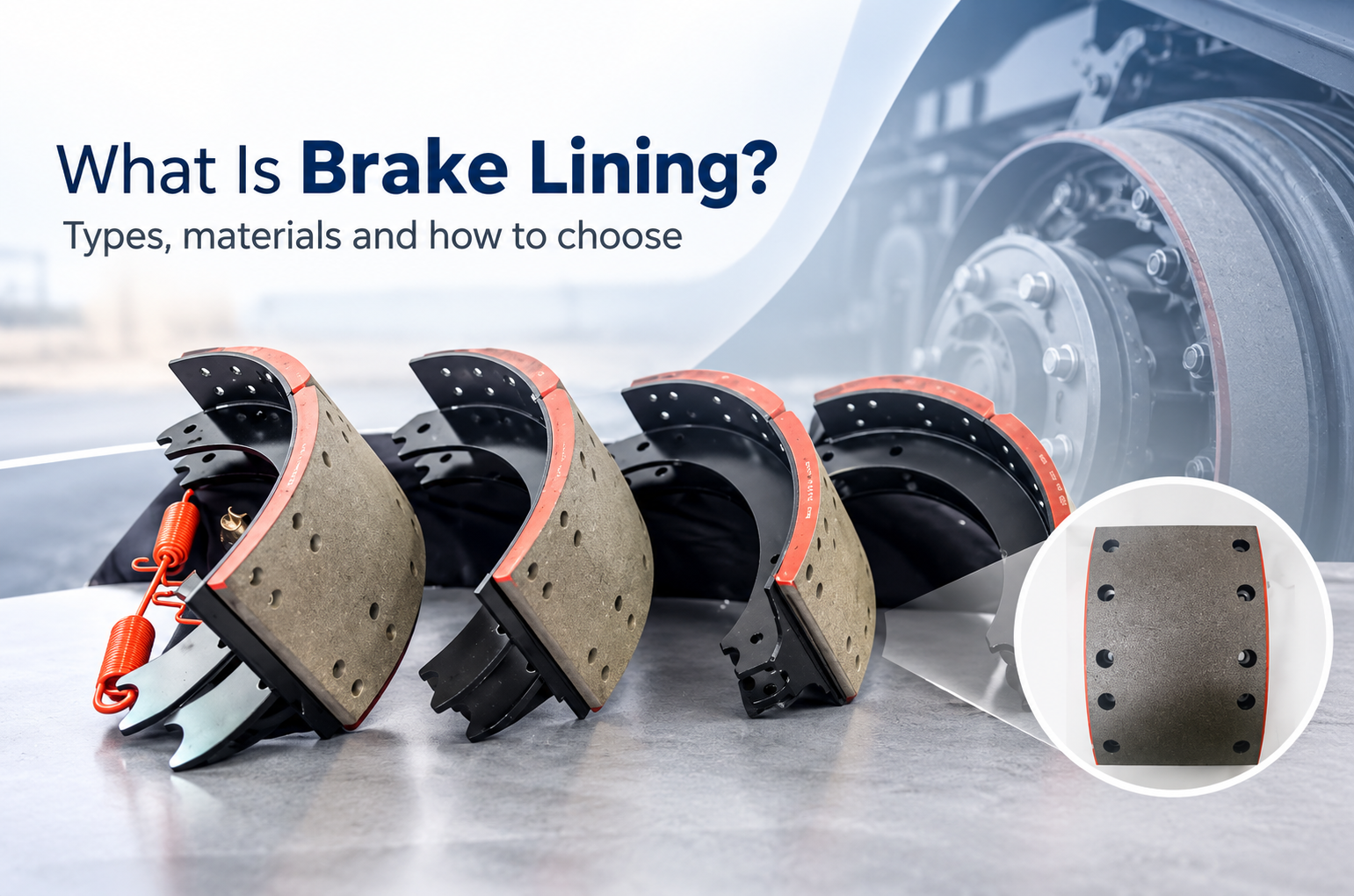
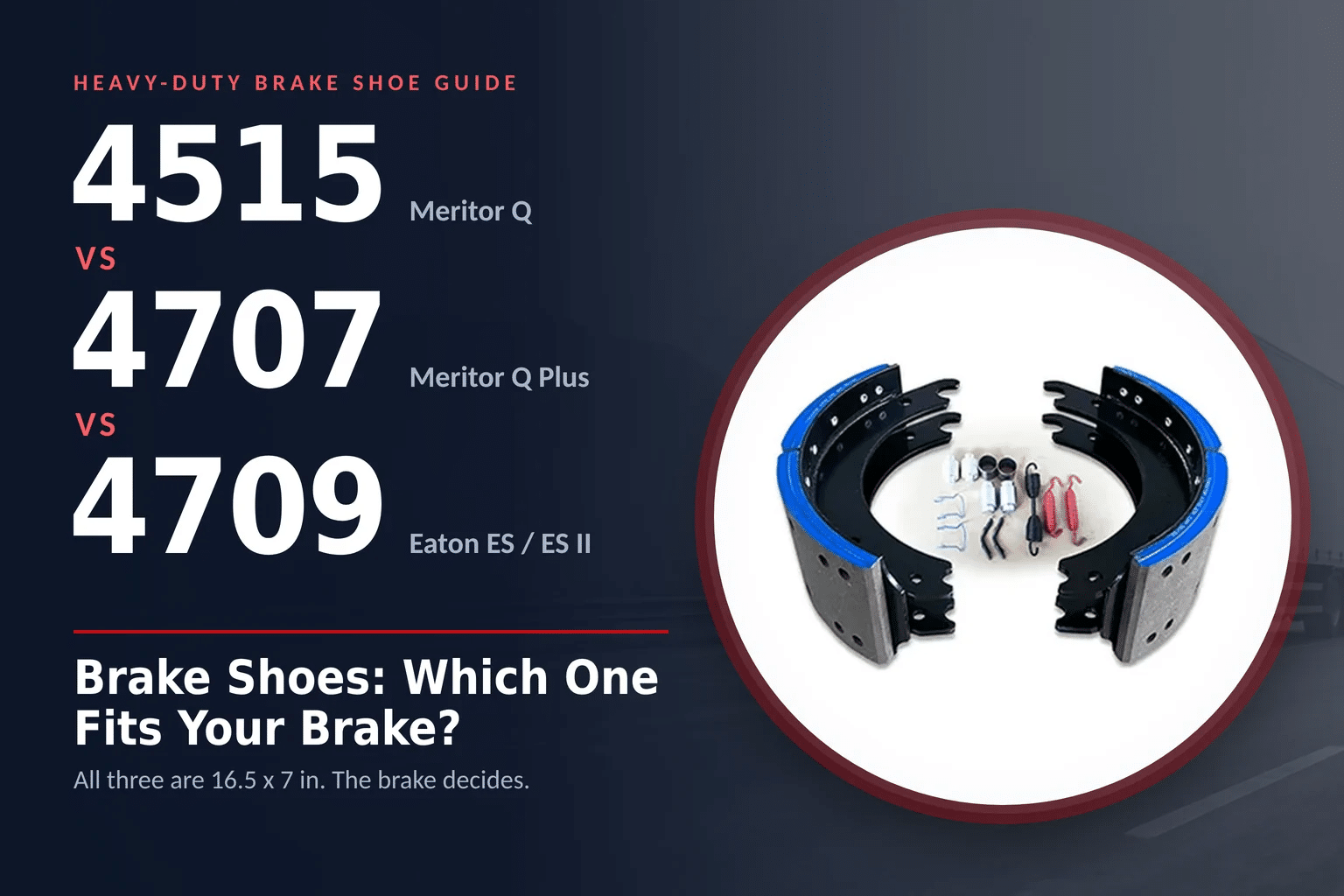
For trucks, trailers, buses, and engineering vehicles, the shoe table, lining profile, rivet pattern, drum diameter, and friction formula must match the application. Tuoba supplies heavy-duty drum brake shoes as complete assemblies as well as commercial-vehicle brake linings for defined drum-brake applications.
| Component | When OEM Is Often Preferred | When a Quality Aftermarket Part Can Work Well |
| Electronic sensors and actuators | Warranty, coding, calibration, or connector uncertainty | Verified electrical and software compatibility |
| Calipers and hydraulic parts | Newer vehicle, warranty-sensitive repair, or unusual specification | Validated OE-equivalent new or remanufactured unit |
| Brake pads | Factory feel and original noise target are the priority | Direct-fit replacement, material choice, private label, or cost control |
| Brake rotors | Factory restoration or application uncertainty | Correct dimensions, casting, machining, coating, and pad compatibility are verified |
| Brake shoes and linings | Original commercial-vehicle specification must be reproduced exactly | OE number, dimensions, hole pattern, drum, formula, and test requirements are confirmed |
| Clips, shims, and hardware | Unique geometry or factory-only service kit | Complete application-specific hardware from a reliable supplier |
When the vehicle remains under warranty, review the actual warranty conditions and local rules before substituting parts. An aftermarket component does not have one universal warranty effect across all countries, manufacturers, or repair situations.
Cost and Service Life: Look Beyond the Purchase Price
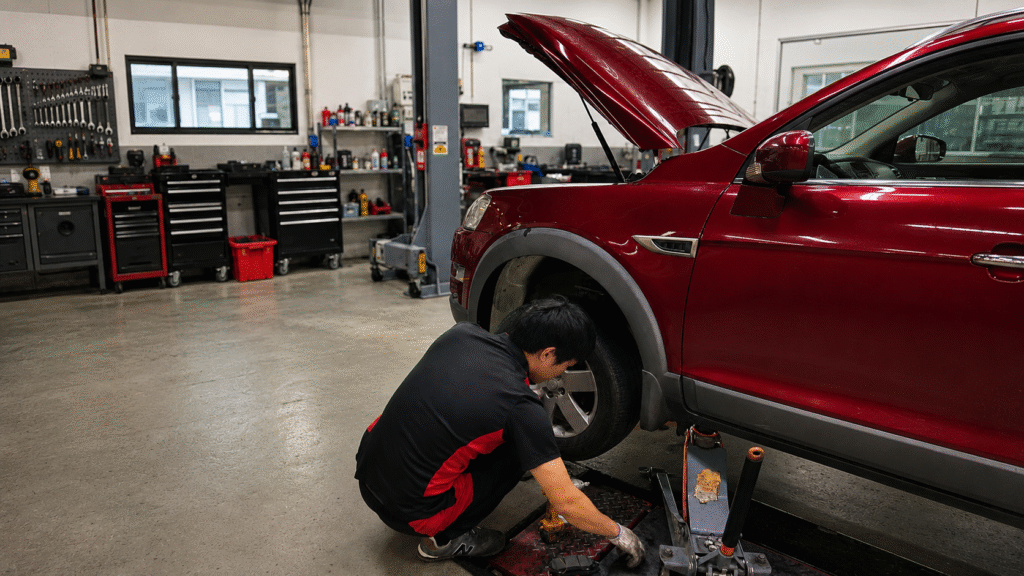
The cheapest pad is not always the least expensive to use. A fitment error, early noise complaint, damaged rotor, product return, or extra workshop visit can quickly erase the saving made on the original purchase.
When comparing cost, include:
- Product price and installation labor
- Expected replacement interval
- Rotor wear or replacement
- Hardware and sensor requirements
- Vehicle downtime
- Returns, fitment errors, and noise complaints
- Warranty coverage and exclusions
What Price and Warranty Differences Should You Expect?
Genuine OEM pads and rotors usually sit at the upper end of normal replacement pricing because the price includes the vehicle brand’s parts channel, application validation, packaging, and distribution structure. Premium aftermarket products may overlap with OEM pricing, while standard OE-equivalent products usually provide more room for cost control. Economy aftermarket products can be cheaper again, but price alone does not show whether the formula, backing plate, rotor casting, or quality control is comparable.
Warranty coverage also needs a like-for-like comparison. Check the coverage period, mileage limit, documentation required, installer requirements, and exclusions. Many parts warranties cover a confirmed manufacturing defect but not labor, normal wear, rotor damage, contamination, incorrect bedding-in, racing, overloading, or use outside the listed application.
For a distributor or fleet, longevity should be measured as cost per service cycle rather than only purchase price. A slightly more expensive product may be the better value when it reduces returns, noise complaints, rotor replacement, labor, or vehicle downtime.
Service life cannot be estimated from the OEM or aftermarket label alone. Vehicle weight, traffic, driving style, climate, road gradients, caliper condition, rotor surface, and friction formulation all change the wear rate.
Commercial vehicles show this especially clearly. Retarders, engine braking, route profile, driver behavior, and axle load can change how often the wheel-end brakes are used. Our discussion of the factors behind long Scania brake pad life illustrates why service life is a system result rather than a pad-brand claim.
| Cost Factor | Genuine OEM | OE-Equivalent Aftermarket | Performance Aftermarket |
| Initial price | Usually higher | Low to moderate, depending on quality | Moderate to high |
| Fitment work | Straightforward with the correct OEM number | Straightforward after accurate application verification | Requires a broader system and duty-cycle review |
| Service life | Predictable within the intended factory use | Depends on formula, process control, and driving conditions | Depends strongly on heat, load, and rotor match |
| Rotor impact | Tuned to the original system | Depends on compound and product quality | More aggressive compounds may increase rotor wear |
| Best value | Keeping the factory configuration | Routine replacement, broad coverage, and cost control | Vehicles that genuinely need more heat or load capability |
Warranty terms also deserve attention. Some warranties cover only the pad and exclude labor, rotor damage, incorrect installation, contamination, racing, or overloading. Read the actual terms instead of assuming that a higher price or an OEM label guarantees wider coverage.
Best-Value Choices Ranked by Use Case
- Best value for normal daily driving: A quality OE-equivalent brake pad and rotor matched by OE number, caliper, and dimensions. This usually offers the best balance of fit, cost, availability, noise, and service life.
- Best value for factory restoration or warranty-sensitive service: Genuine OEM parts. The higher initial price may be justified by the original parts channel and the lowest uncertainty around factory fit and feel.
- Best value for towing, heavy loads, or repeated high heat: An application-specific performance pad, with the rotor and brake system reviewed at the same time. The extra cost only delivers value when the duty cycle needs it.
- Best value for a budget repair: A verified economy or standard aftermarket product from a traceable supplier. Do not save money by accepting uncertain fitment, missing test evidence, or an unsuitable friction formula.
OEM, Private-Label, and ODM Brake Manufacturing: What Is the Difference?
These terms are often mixed together, especially in B2B sourcing.
- Genuine OEM part: Sold through the vehicle manufacturer’s original parts channel.
- OE-equivalent replacement: An aftermarket product made to fit and replace the corresponding original part.
- OEM manufacturing service: A factory produces brake products according to the customer’s specifications, brand, drawings, or approved samples.
- ODM manufacturing service: The factory contributes an existing product platform, friction formulation, engineering work, or product design that the customer sells under its own brand.
For private-label buyers, the practical difference is who defines the product. A simple OEM project may use an established OE-reference shape with the customer’s packaging. A deeper ODM project may involve formula selection, noise targets, wear targets, coating, accessories, packaging, and market-specific documentation. In both cases, the final specification and approved sample should be confirmed before mass production.Our OEM vs private-label brake pad comparison explains how specification control, branding, and supplier responsibility differ in practice.
What to Check Before Buying Replacement Brakes
Before choosing an OEM or aftermarket brake product, confirm these seven points:
- Exact vehicle make, model, year, trim, and axle application
- OE, WVA, FMSI, or other cross-reference number
- Caliper, rotor, sensor, shim, and hardware configuration
- Normal use: commuting, towing, heavy loads, mountain roads, or performance driving
- Main priority: low noise, low dust, long wear, strong initial bite, or heat stability
- Required test reports, approvals, and quality systems for the destination market
- Supplier capability for batch consistency, traceability, packaging, and technical support
If the priority is to restore the factory setup, genuine OEM is the simplest route. If you need direct fitment with more choice in formula, sourcing, packaging, or price, a quality OE-equivalent aftermarket product is often the better fit. Move to a performance product when the vehicle’s actual workload gives you a clear reason to do so.
Frequently Asked Questions
How do OE-equivalent brake pads compare to common aftermarket options for Chevy trucks?
OE-equivalent pads are made as direct replacements using OE-compatible dimensions. The broader aftermarket also includes economy and performance products, so quality and purpose can vary widely.
For a Chevy truck used mainly on normal roads, a well-made OE-equivalent pad is usually a practical choice. A truck that regularly tows, carries heavy loads, or travels long downhill routes may need a formula tested for higher temperatures and more demanding brake cycles.
Which brake products offer OEM fit and finish for Chevrolet vehicles?
Genuine OEM products provide the closest match to the original Chevrolet factory setup. OE-equivalent aftermarket pads can also provide accurate fit and finish when the model, year, caliper, dimensions, sensor, hardware, and OE number are all confirmed.
“OE-equivalent” means the product is designed to match defined OE requirements. The term alone does not prove that its friction material, shim, or production process is identical to the genuine OEM part, so buyers should still review the product specifications and test data.
How do OEM Chevy brake upgrades compare with aftermarket brake kits for daily driving?
For ordinary daily driving, genuine OEM brakes or quality OE-equivalent replacements are usually the most balanced options. A performance aftermarket kit is more useful when the vehicle regularly faces towing, heavy loads, mountain roads, or repeated high-temperature braking.
On a commuter vehicle, a more aggressive kit may add noise, dust, cost, or rotor wear without providing a noticeable everyday benefit.
Are aftermarket brakes as good as OEM brakes?
They can be, but “aftermarket” is too broad to be a quality grade. A well-developed OE-equivalent or premium aftermarket product can match the required fit and perform well in its intended application. An economy product with weak process control or an incorrect formula may not. Compare the specification, test evidence, batch consistency, and supplier—not just the label.
Are OEM brake pads worth the higher price?
OEM pads are often worth the price when the vehicle is newer, factory noise and pedal feel are important, the repair is warranty-sensitive, or the buyer wants the simplest part-number decision. For an older daily-driven vehicle, a quality OE-equivalent pad may offer better value if fitment and performance are verified.
Are OEM brake rotors better than aftermarket rotors?
OEM rotors are usually the most predictable match to the original system. A quality aftermarket rotor can be equally practical when dimensions, casting quality, machining, runout, cooling design, coating, and pad compatibility are correct. Performance rotors are not automatically better for normal road use.
What are the benefits of buying a complete brake kit?
A complete kit can make sourcing and installation easier by combining compatible pads, rotors, and hardware under one part package. It is especially useful when both pads and rotors need replacement. The buyer must still confirm that every item in the kit matches the exact axle, caliper, sensor, and OE application.
What is the difference between OEM and ODM brake manufacturing?
In an OEM project, the customer normally defines the brand and product requirements for the factory to manufacture. In an ODM project, the factory provides more of the product platform, formulation, engineering, or design. Both models can include private labeling, but ODM usually involves more factory-led product development.
How Do You Choose an OE-Equivalent Aftermarket Brake Pad Manufacturer?
Choosing a reliable manufacturer of OE-equivalent aftermarket brake pads requires more than comparing prices. Review its OE matching capabilities, friction formulations, product-specific test reports, batch consistency, traceability, and technical support. The right brake pad should fit the exact vehicle and perform reliably under its actual driving conditions.
OE-Equivalent vs OE Replacement: What Is the Difference?
OE replacement usually describes a product designed to replace the original part and fit the same application. OE-equivalent means the product is designed to match defined OE requirements in fitment, specifications, or performance. Neither term alone proves product quality, so buyers should still check the OE number, product specifications, and supporting test data.
Conclusion
OEM brakes are not always better, and aftermarket brakes are not automatically a compromise. The right choice comes down to three things: correct fitment, a friction formula suited to the vehicle’s real use, and consistent manufacturing quality.
Choose genuine OEM when you want the closest possible return to the factory setup. Choose a quality OE-equivalent aftermarket product when you need direct fitment with more flexibility in price, material, sourcing, or private labeling. Choose a performance product when towing, load, route, or temperature creates a genuine need for it.
If you are comparing brake pads for a distribution, fleet, or private-label project, review Tuoba’s OEM and ODM brake solutions, then send us the vehicle application, OE number, operating conditions, destination market, and expected volume. Our product team can help narrow down the right fit and friction direction before you place the order. Contact Tuoba to discuss your project.